.svg)
IndustriesHeritage & education
3D scanning for heritage and education
Archiving, conservation and teaching, from museum objects to whole buildings, captured in full colour without touching anything. Scanned for you in the gallery, or Artec education packages for UK universities with training plus UK support from an Artec Gold Certified partner and Ambassador.
- Museums and galleries
- Archaeology units
- Archives and collections
- National parks and heritage bodies
- Universities and colleges
- Conservators and restorers
- 0.1 mm
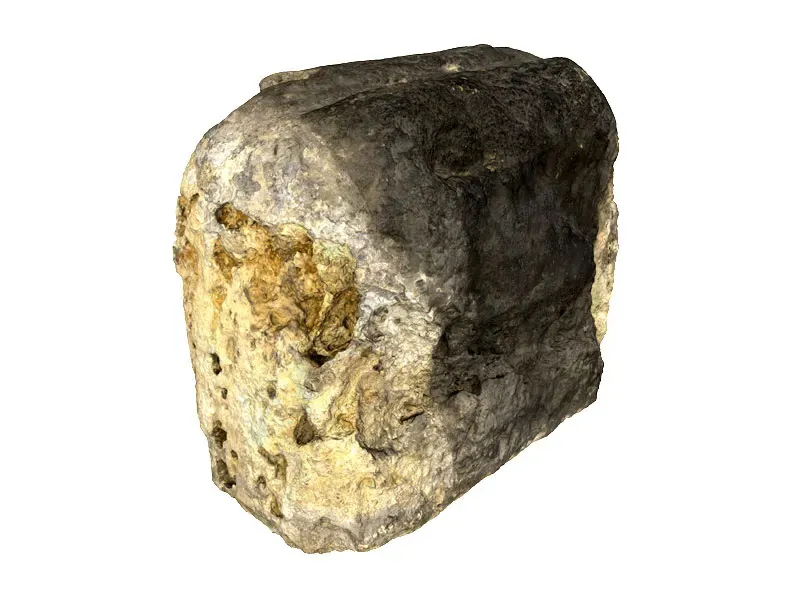
- Detail captured on the London Stone with an Artec Space Spider
- 50
- Teaching licences on request with education packages
What it is used for
Recorded once, used for generations
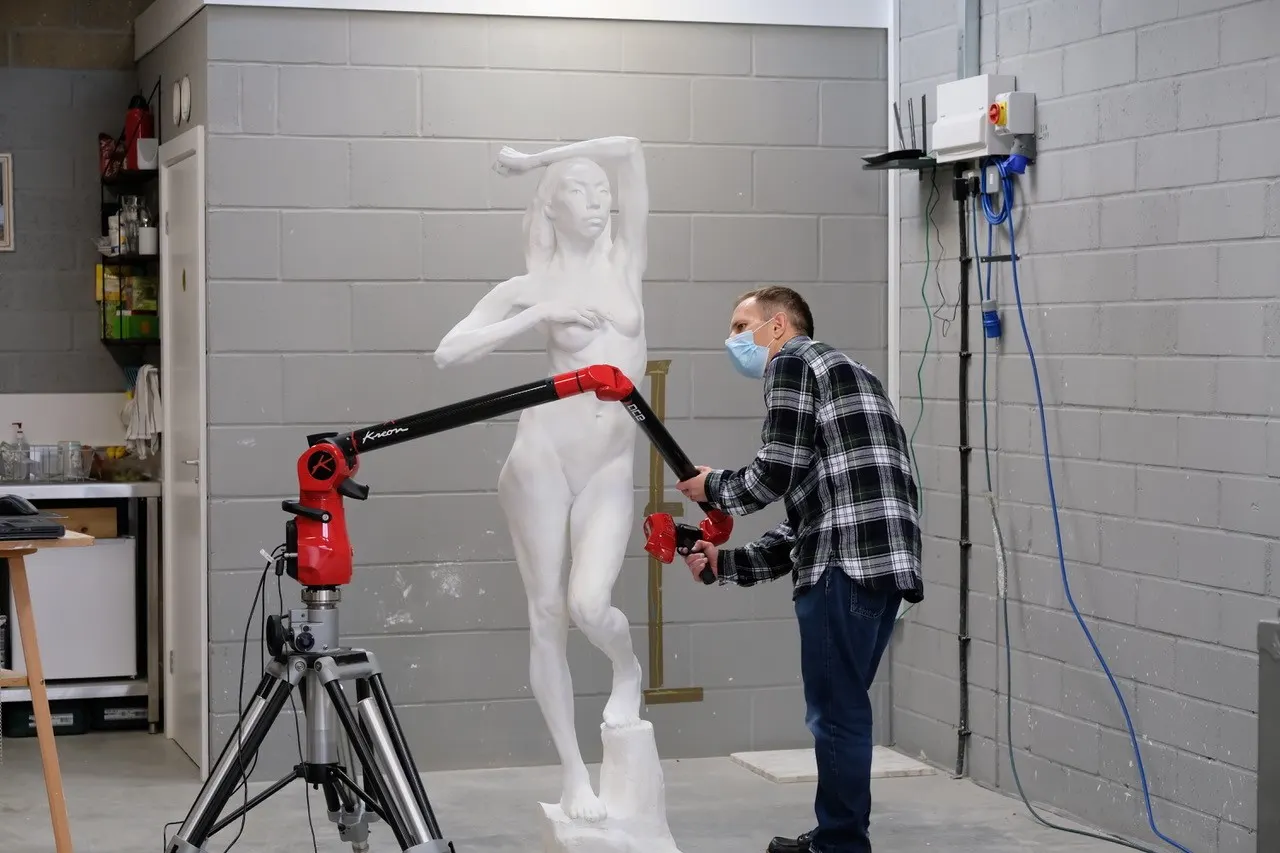
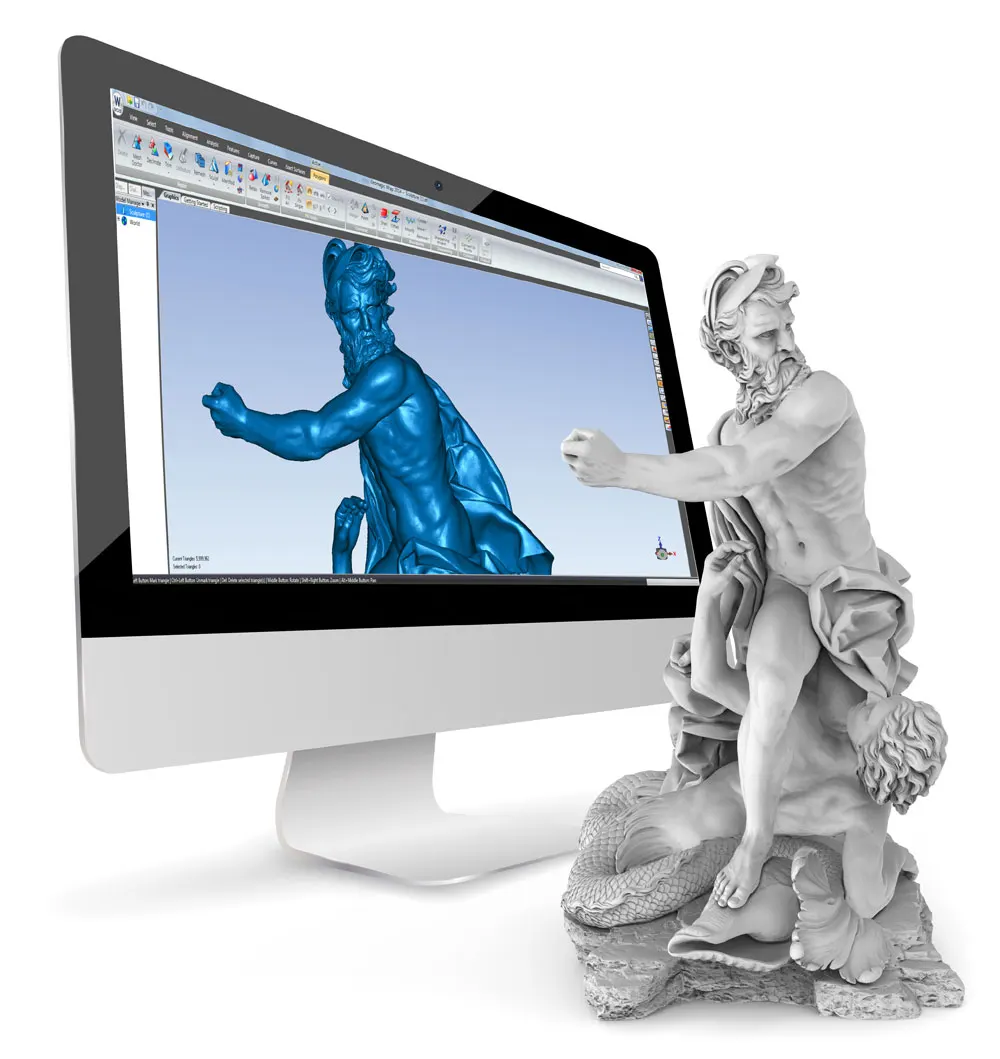
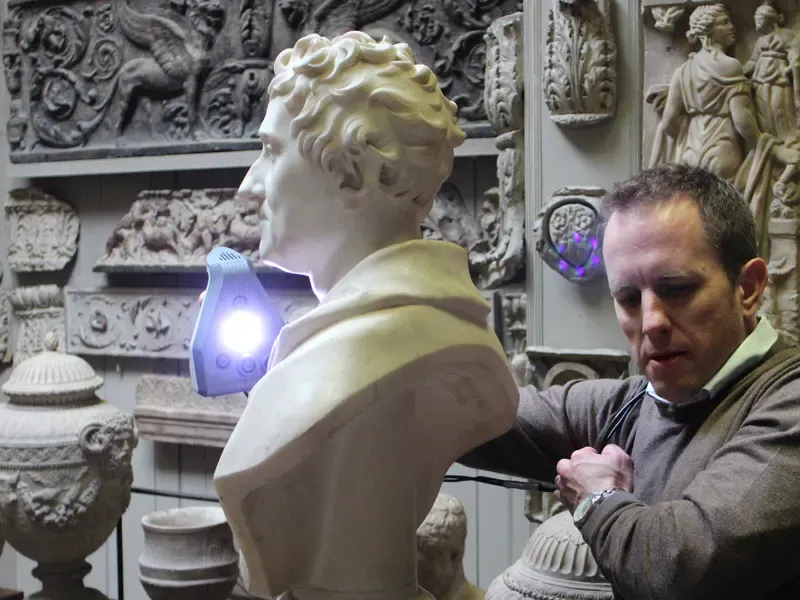
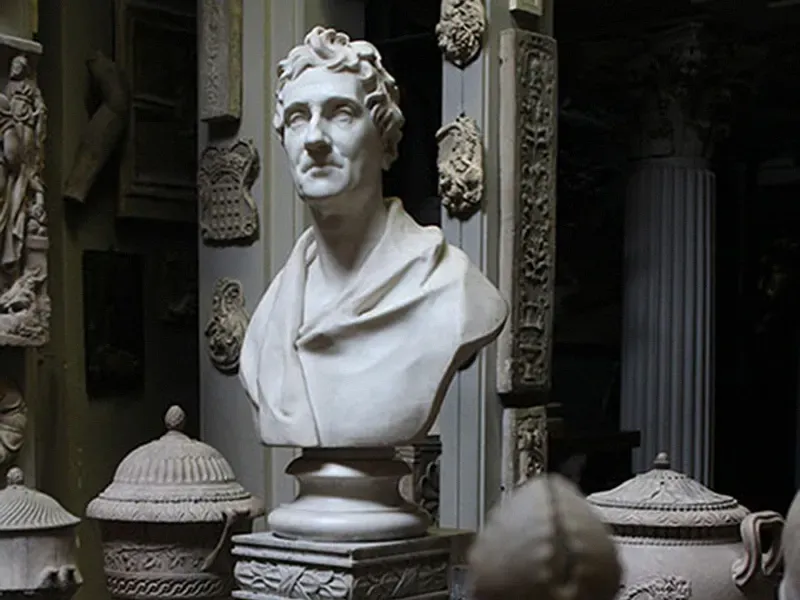 Museum objects, in the gallerySculpture and busts captured where they stand. Nothing is moved and nothing is touched.Read more
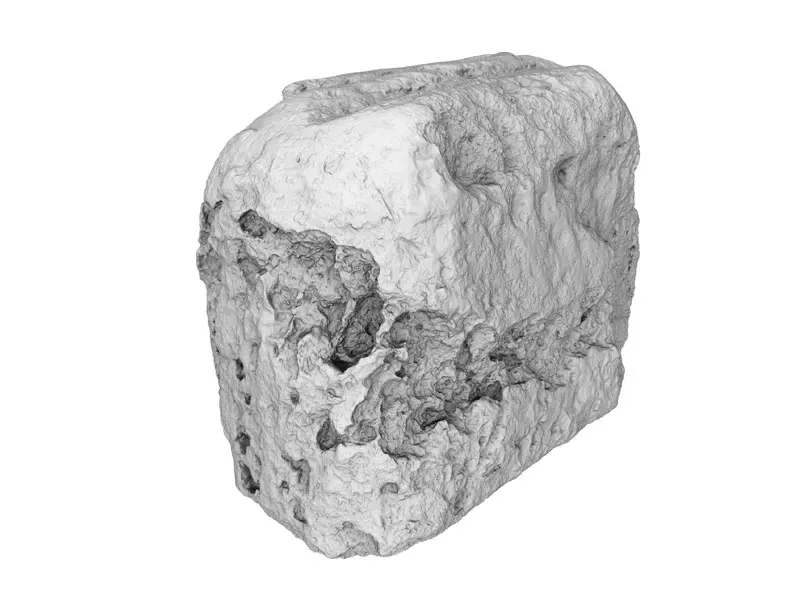 Archaeology and stoneThe London Stone scan exposed markings narrower than a human hair and several man-made carvings, for archaeologists to study without handling the stone.Read more
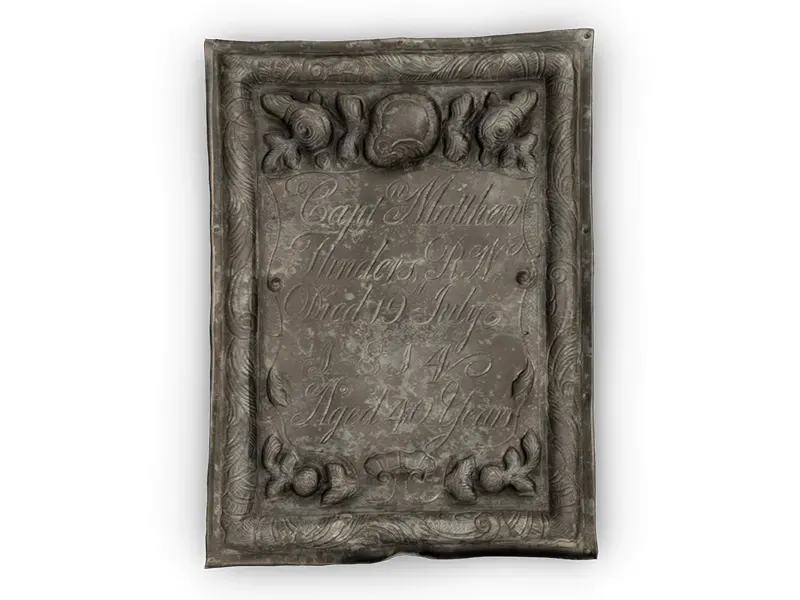 Inscriptions and small findsPlates, coins and inscribed pieces scanned in fine detail with a Spider II, or on the Micro II for the smallest specimens.Read more
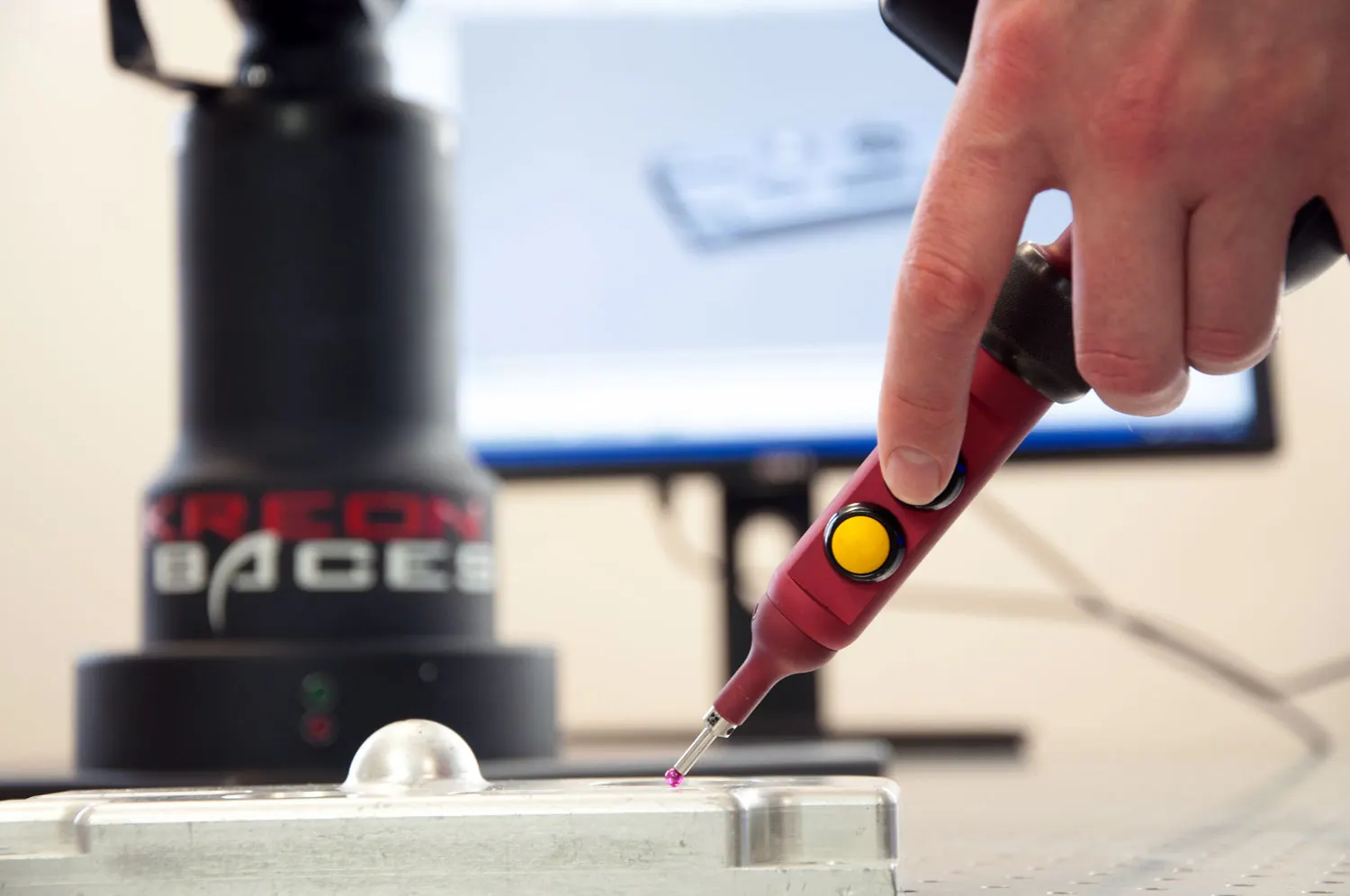
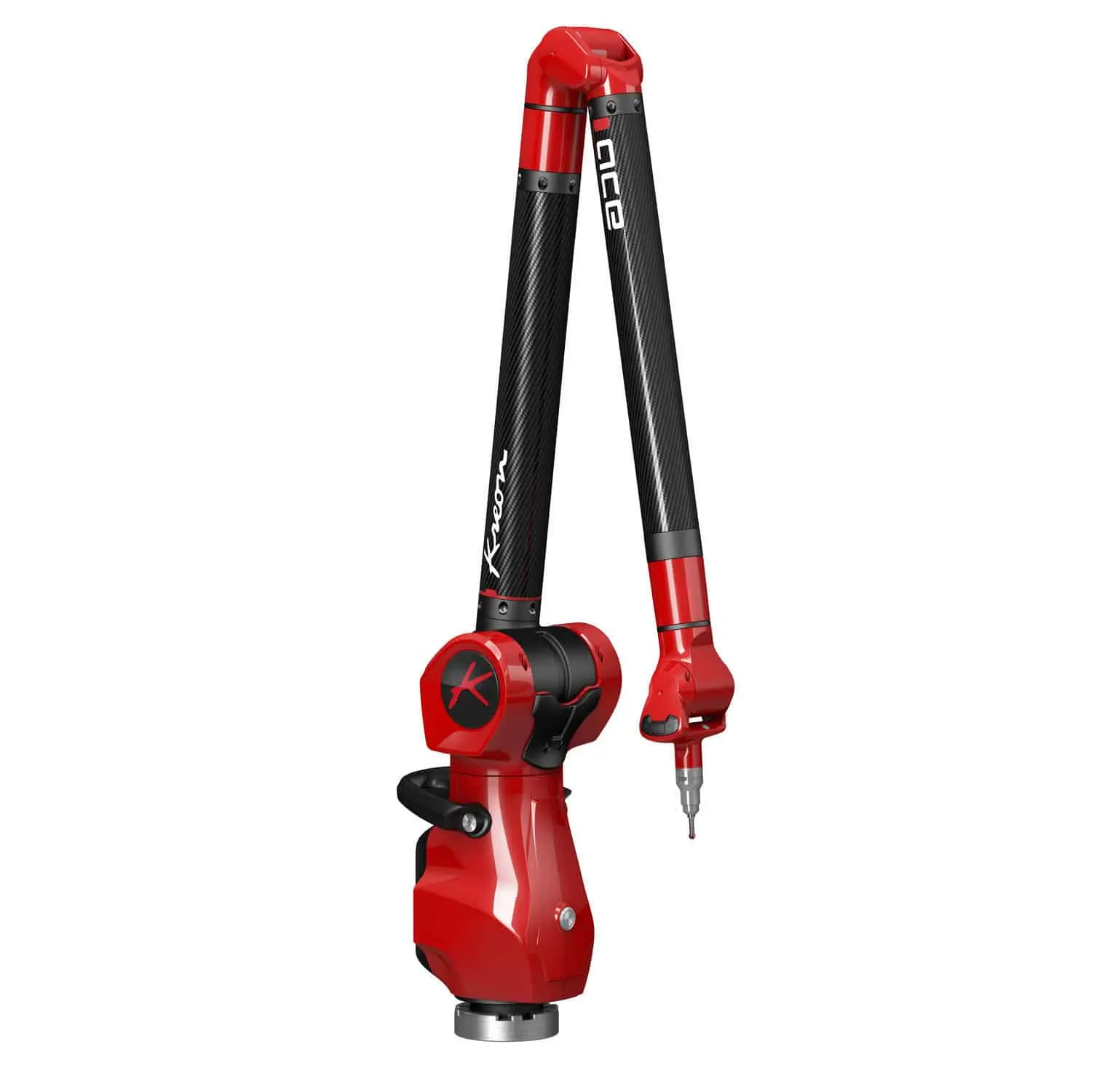
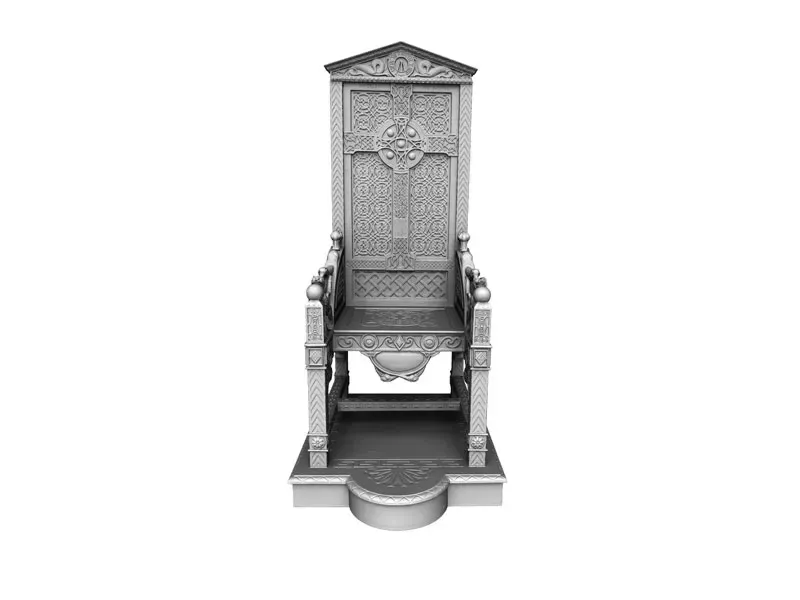
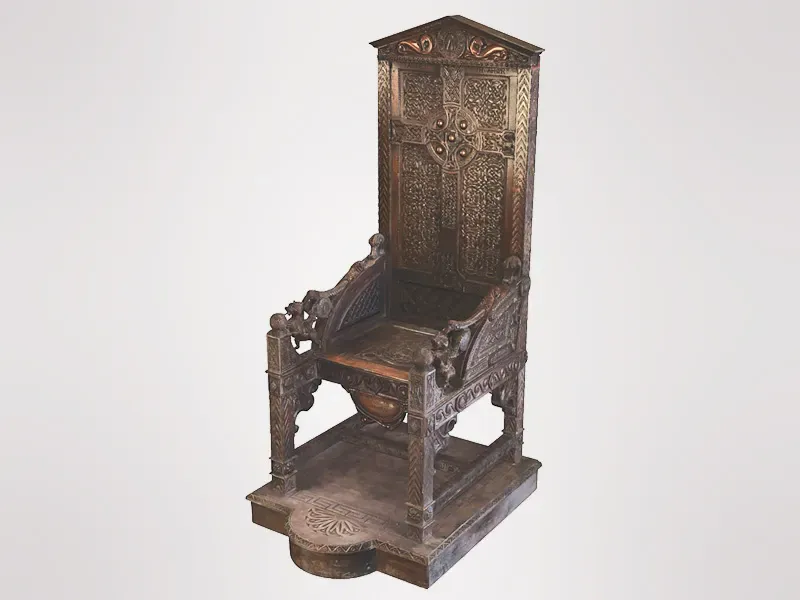 Furniture and carved interiorsHedd Wyn’s Black Chair was scanned on a Kreon Skyline arm in the family farmhouse, then shared online as a rotatable model and a fly-through.Read more
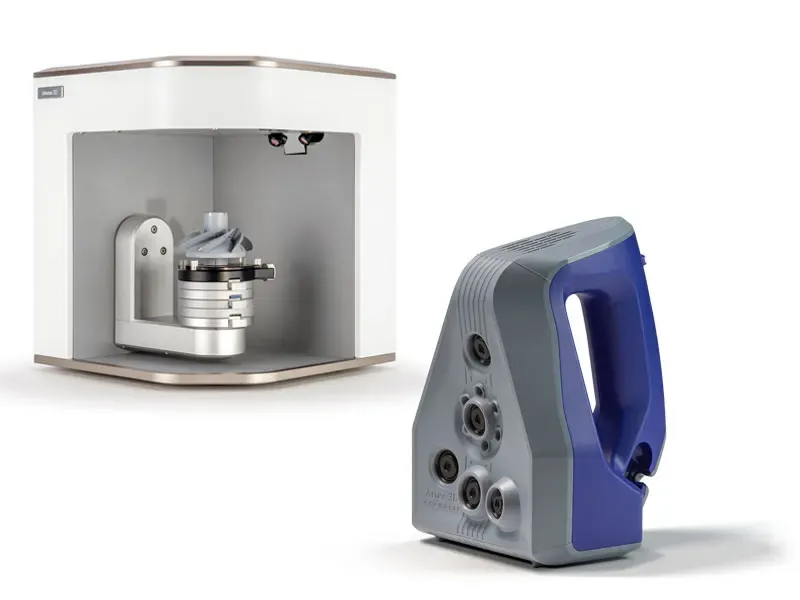 Teaching labsDepartments from engineering and metrology to archaeology, forensics or film. One package of scanner, Artec Studio and training serves teaching as well as research.Read more
Collections we have recorded
Jobs we did ourselves, written up with the people we did them for.
Museum digitisation
How an object goes from the gallery to the archive, the website and the shop
This is how we worked at Sir John Soane’s Museum and on the London Stone. It is also how we plan every heritage job.
- 1
Plan with the curator
Handling, light, access and what the model is for. At the Soane, the rule was not to touch the bust or anything around it, with a drop of around 20 feet to a sarcophagus below.
- 2
Scan in place
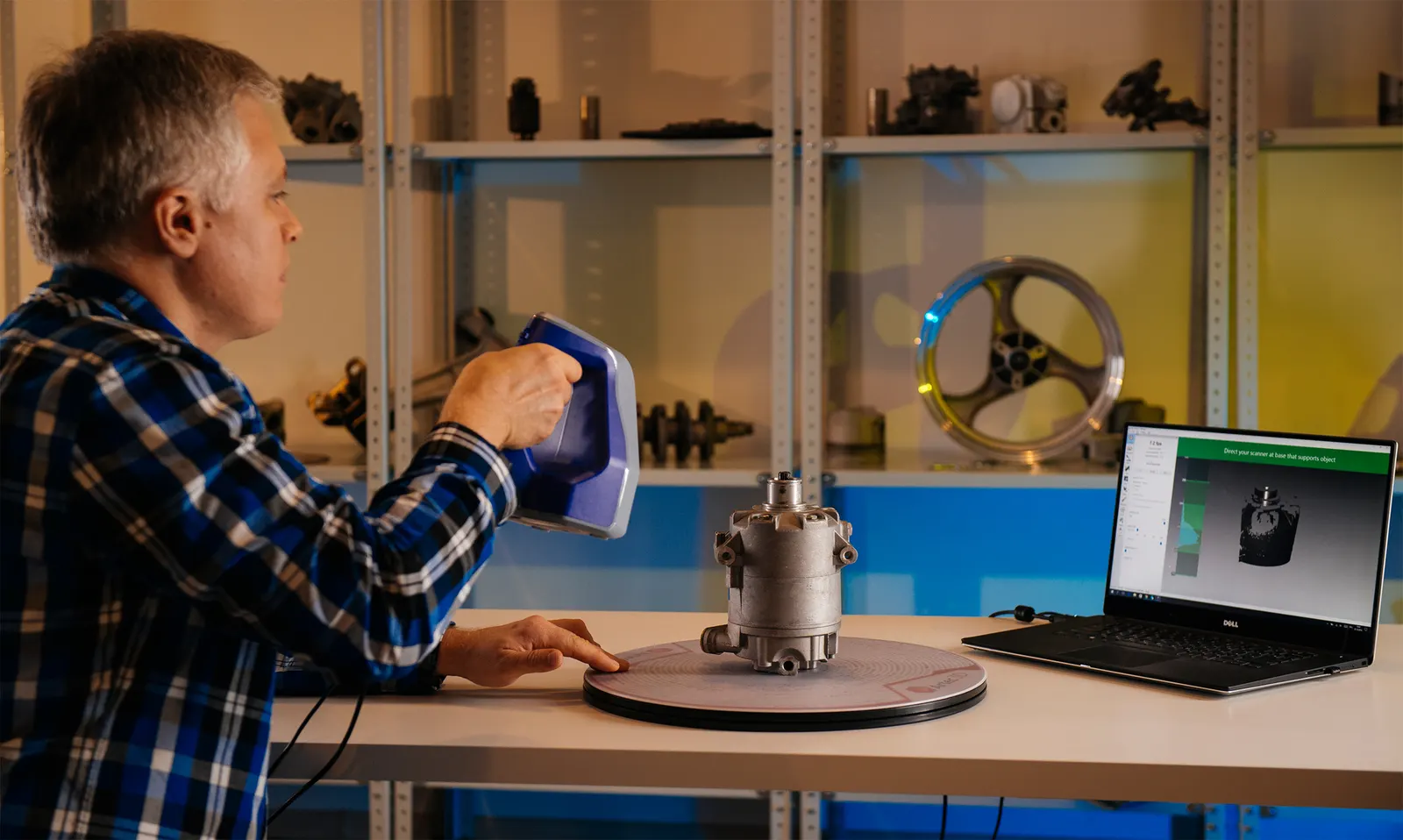
Eva for the larger smooth areas, Spider for the inscription. The Space Spider went into the vaults at MOLA for the London Stone.
- 3
Combine and process
The scans are registered and merged in Artec Studio into one accurate, full-colour model. The archive master is kept untouched.
- 4
Study and share
Light textured versions for collection websites and viewers, plus the full model for researchers to examine markings without handling the object.
- 5
Replicate
Full-size replicas or miniatures printed by 3D Printworx. Miniature London Stones were printed for the MOLA exhibition.
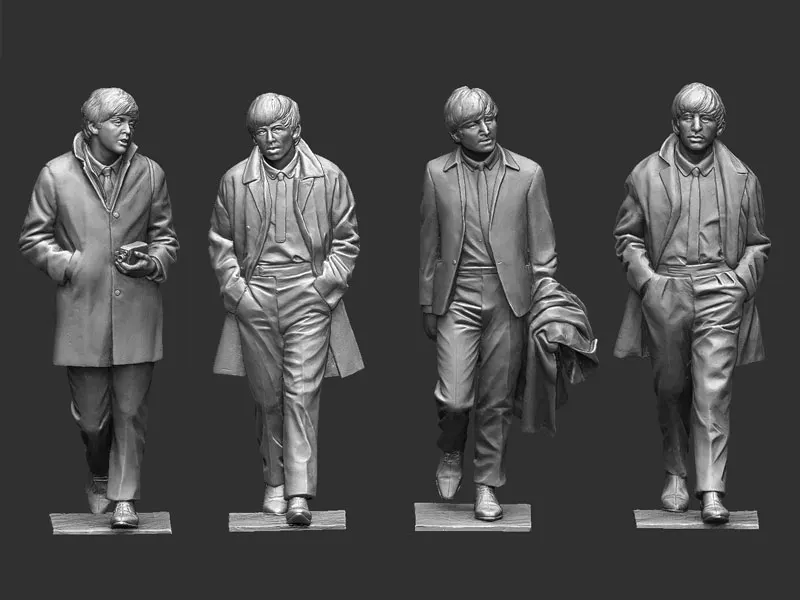
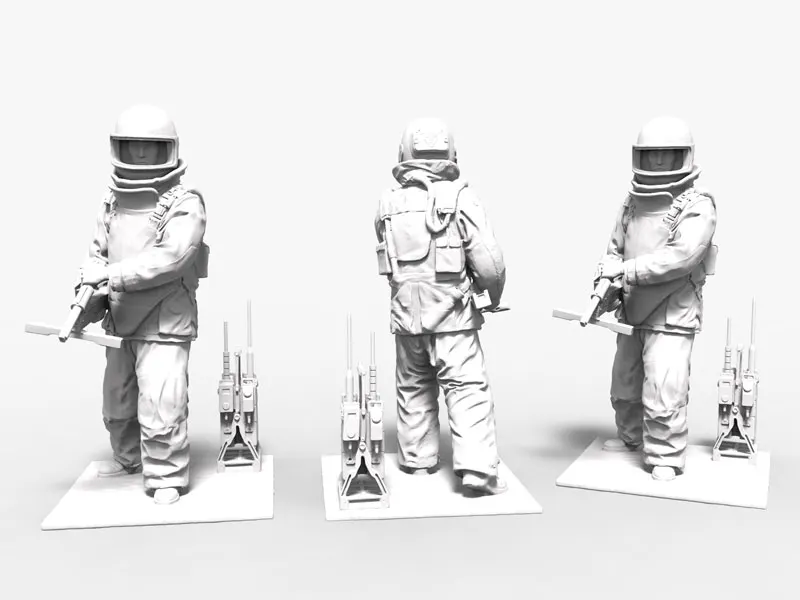
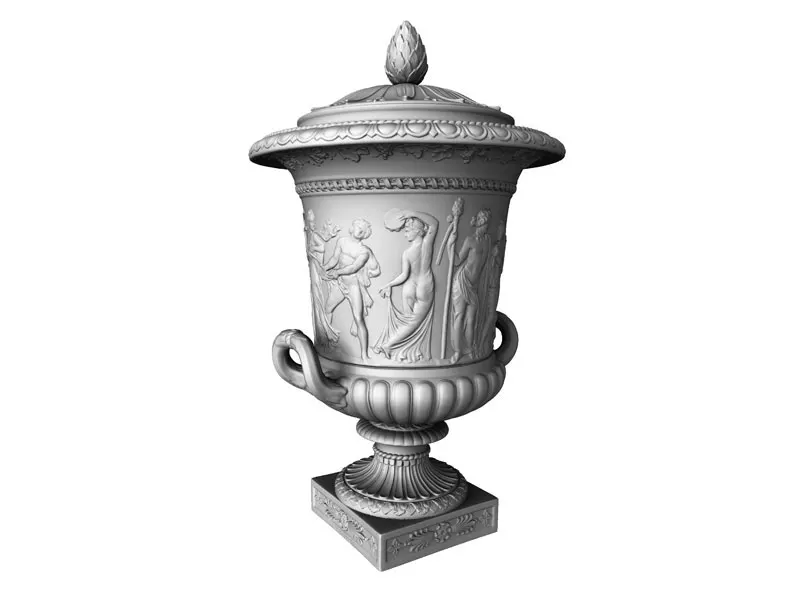
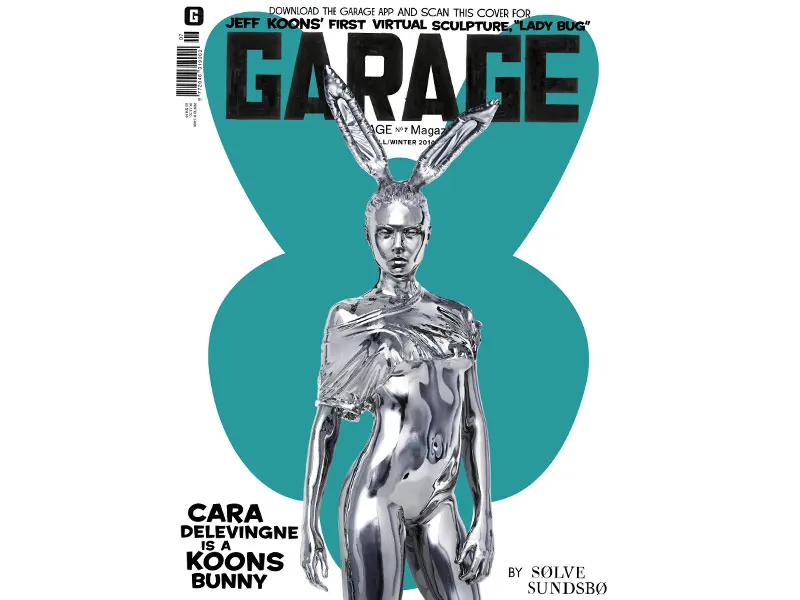
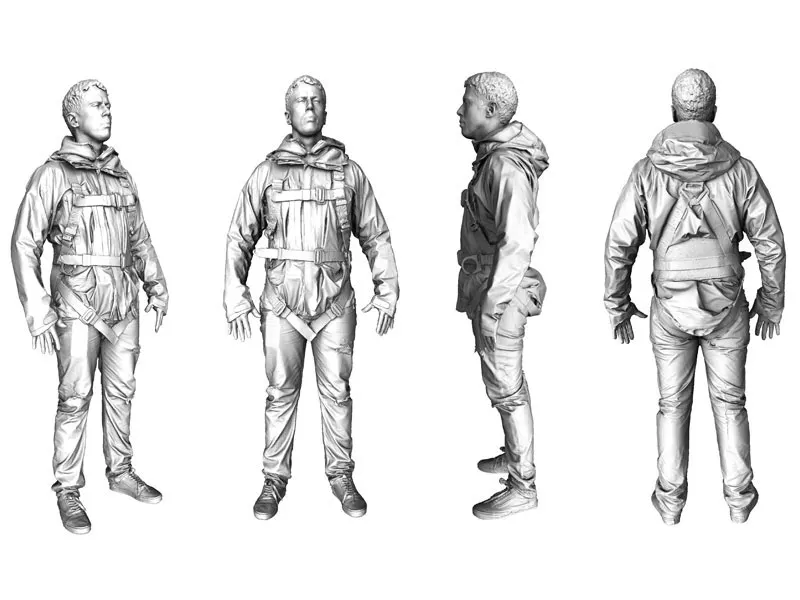
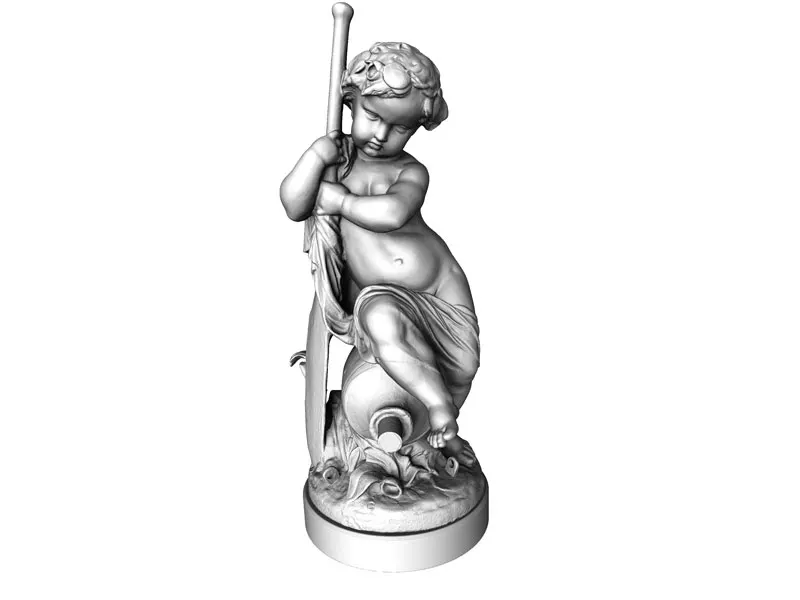
Heritage and sculpture we have scanned
Photographed in our own lab, with the machine that did it.
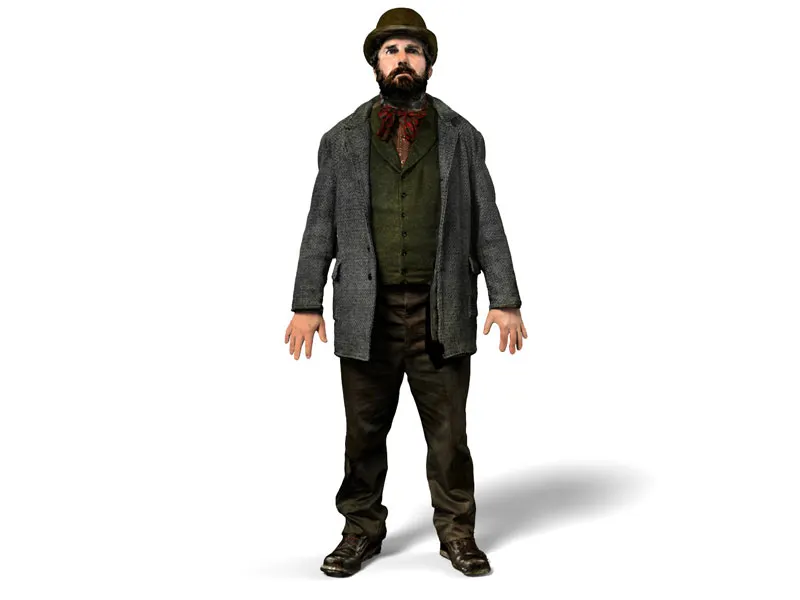
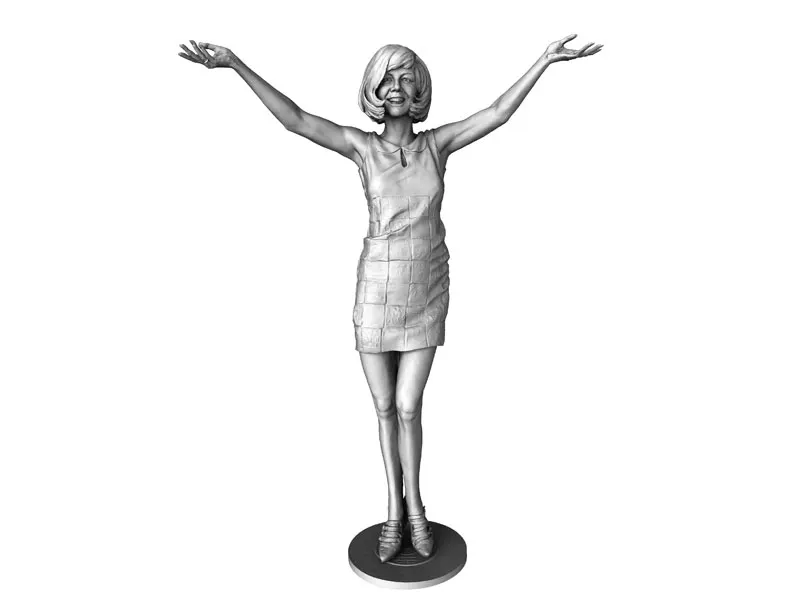
Recommended products
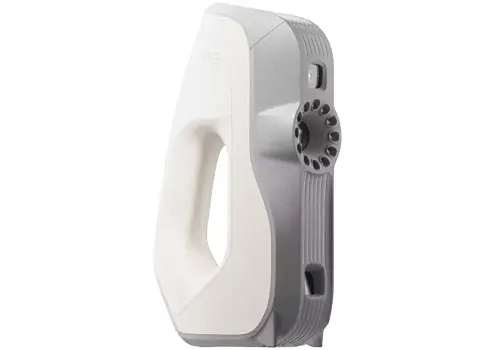
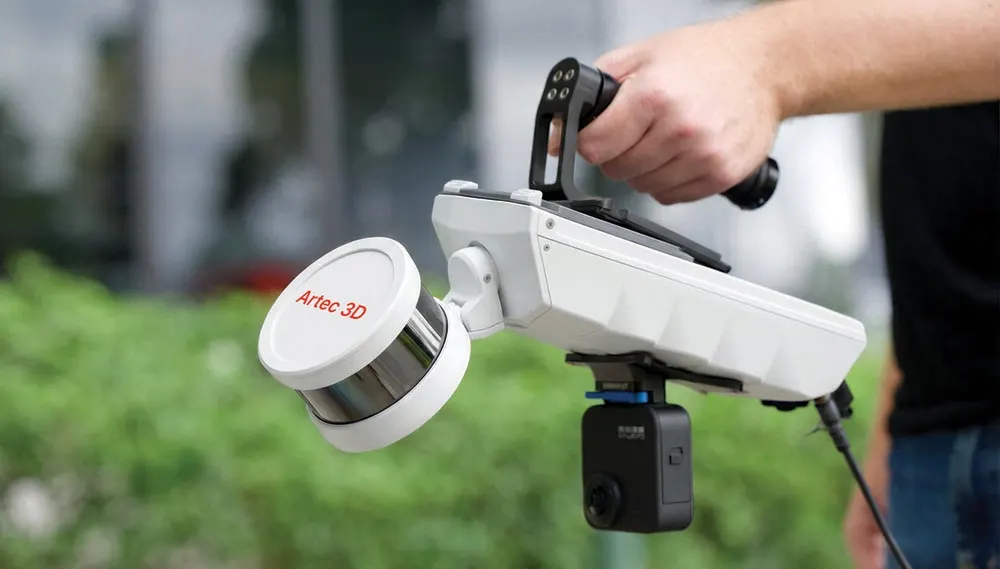
Spider II and Micro II for fine detail, Eva or Leo for larger objects, Ray II for rooms or buildings. Every one of them, and Point II, comes as an education package, priced on the education page.
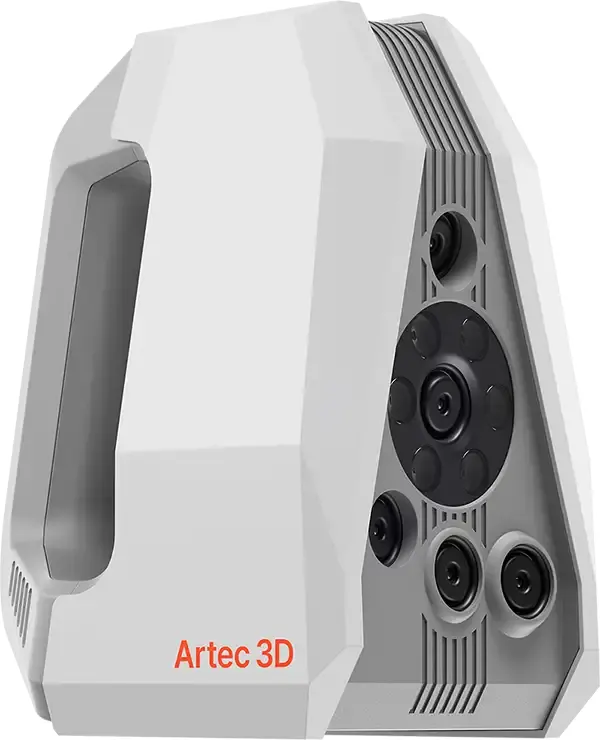
£22,680ex VAT
Find out more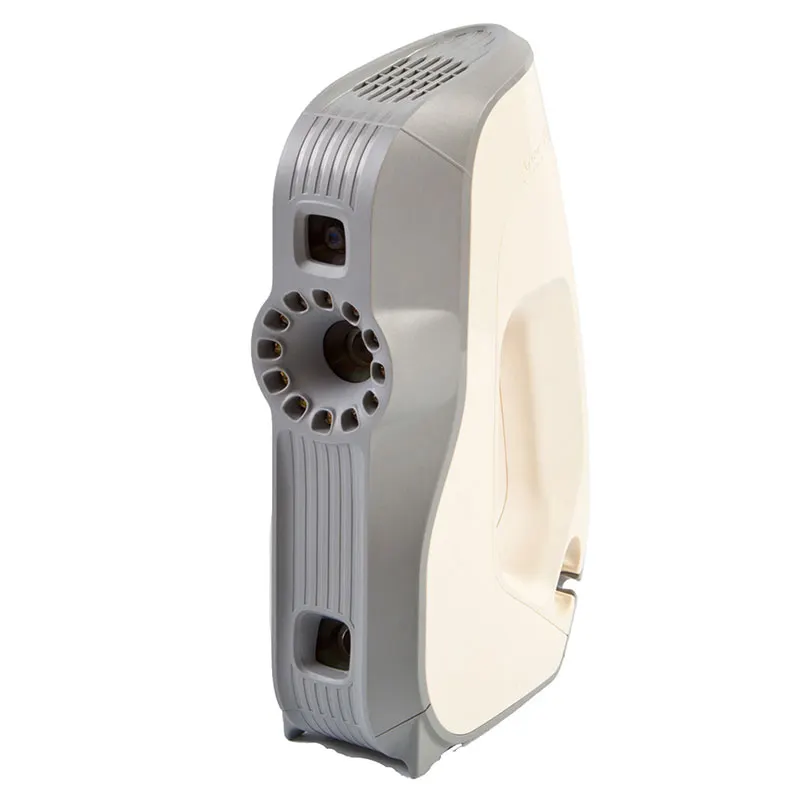
£8,316ex VAT
Find out more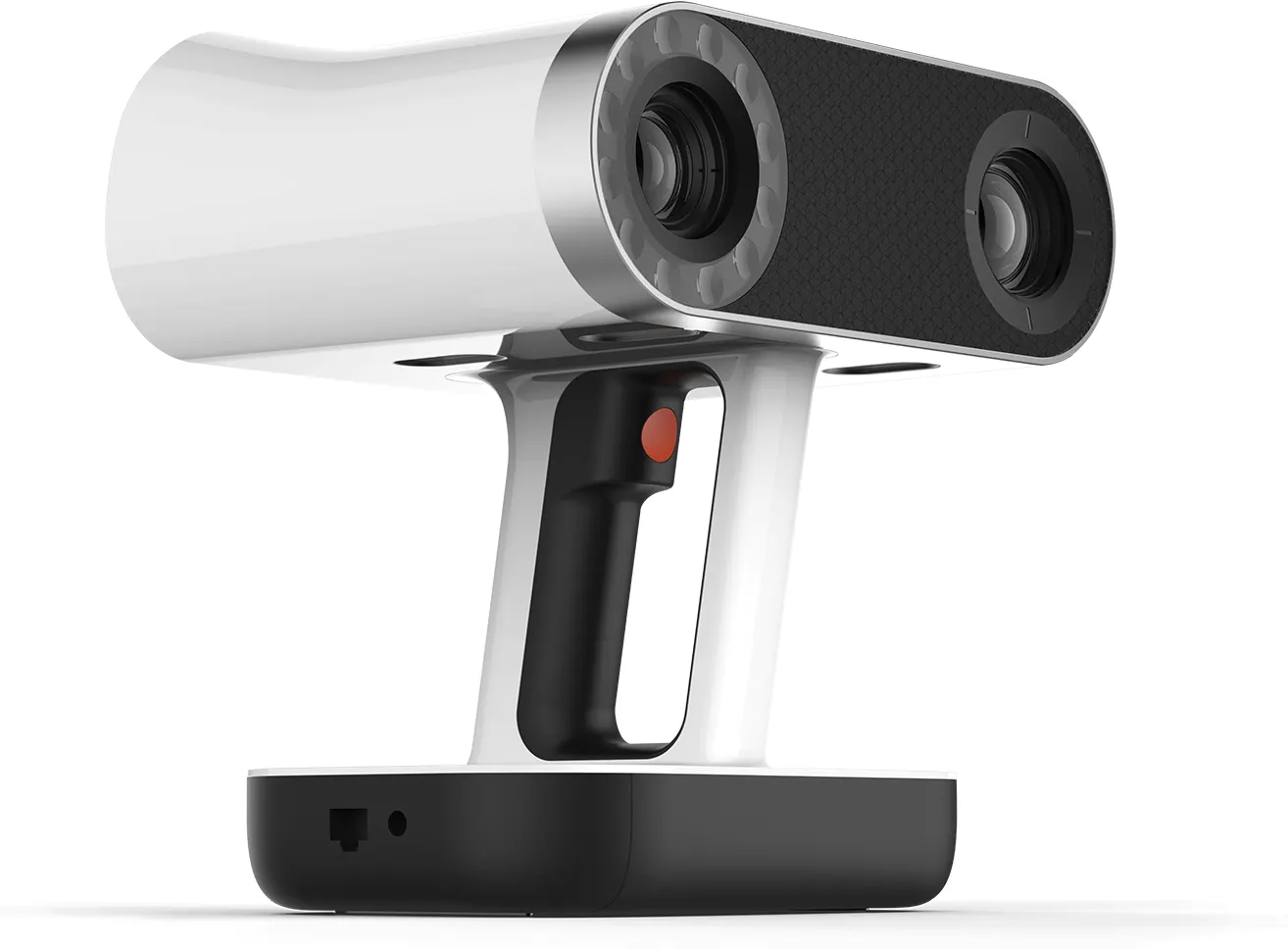
£29,232ex VAT
Find out more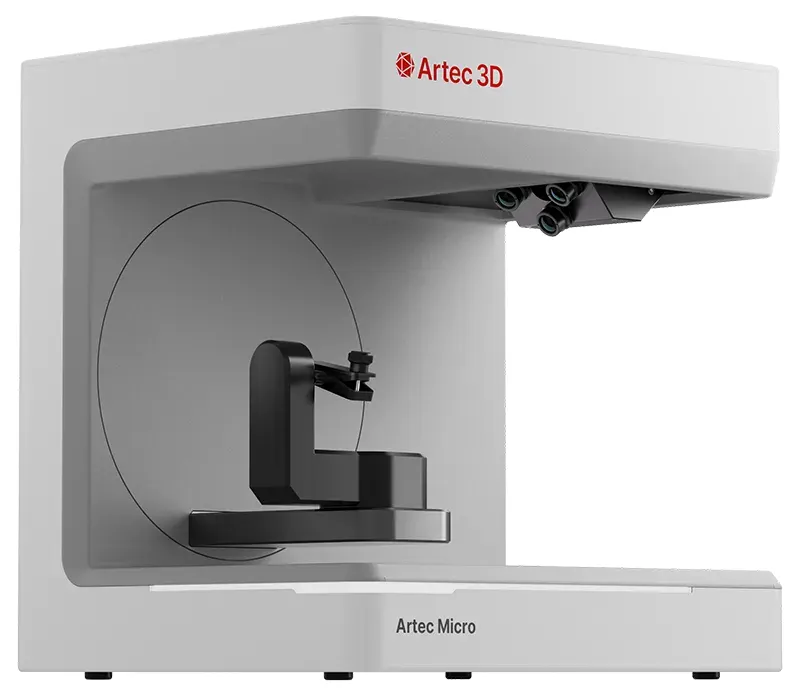
£16,632ex VAT
Find out more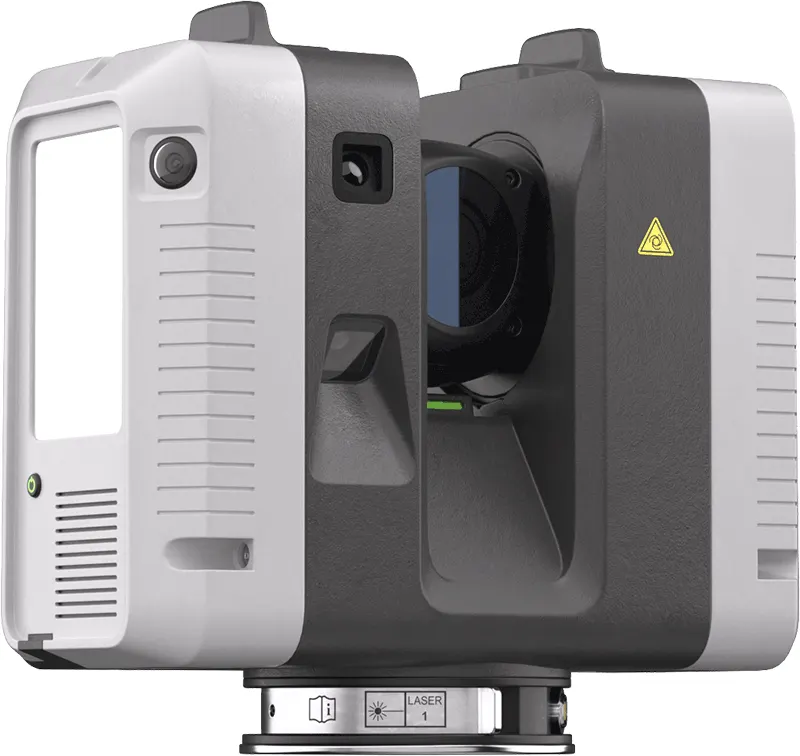
£49,938ex VAT
Find out moreSoftware
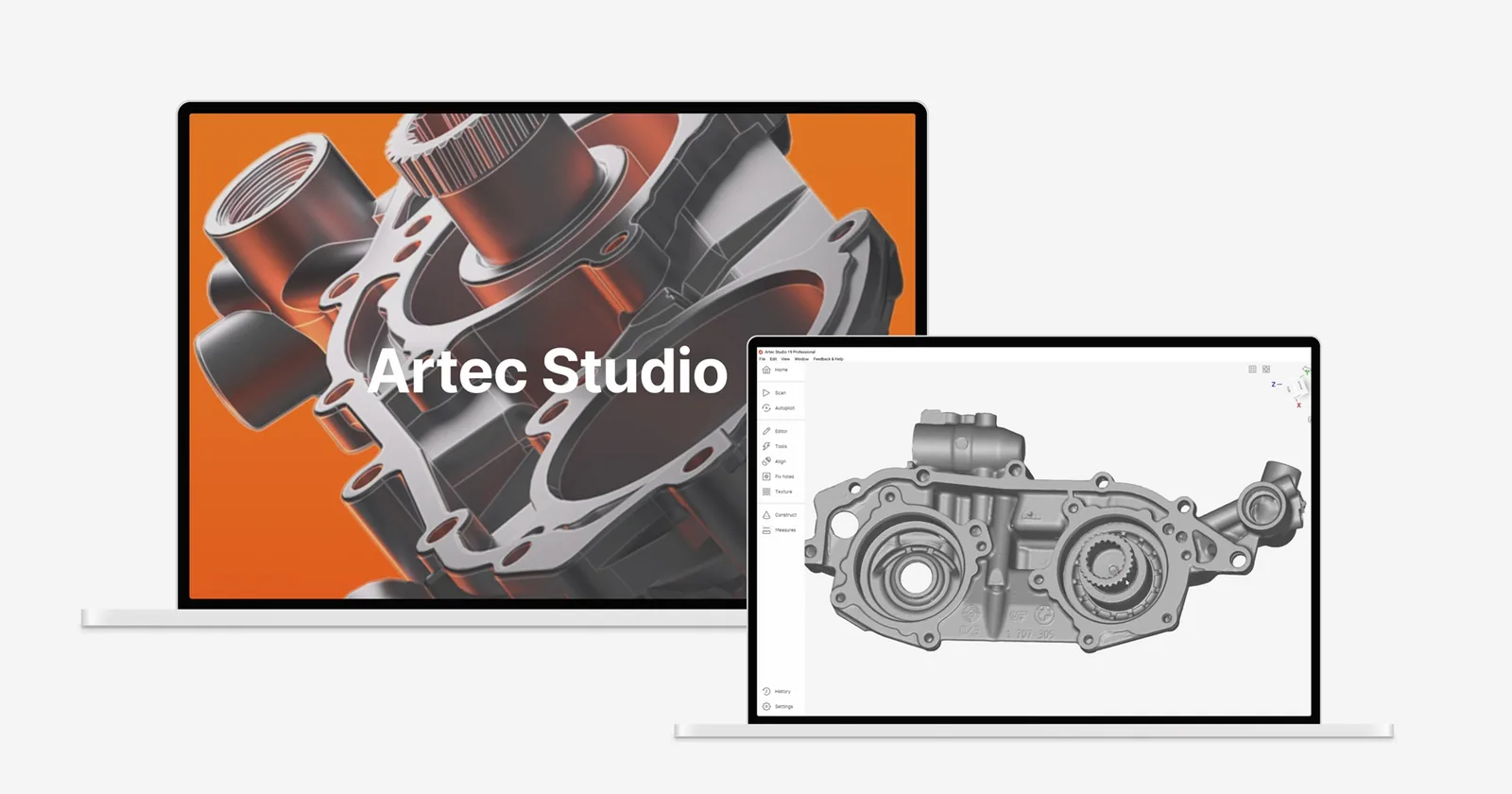
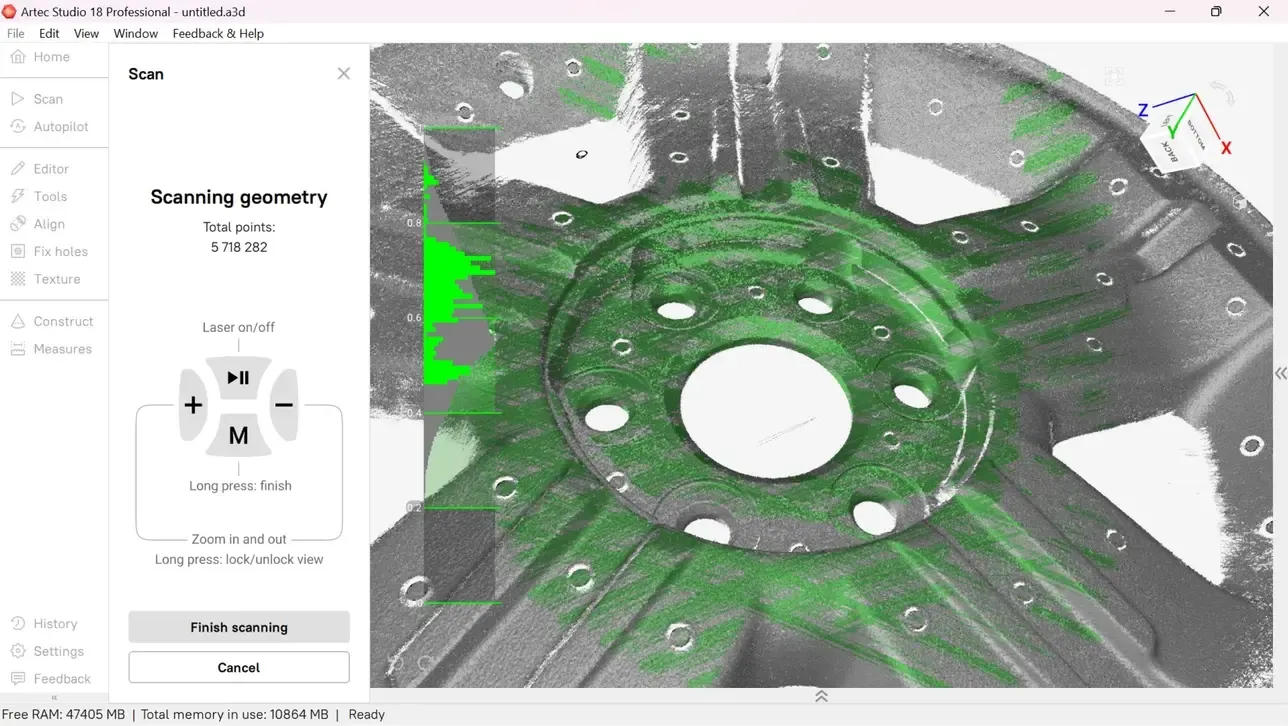
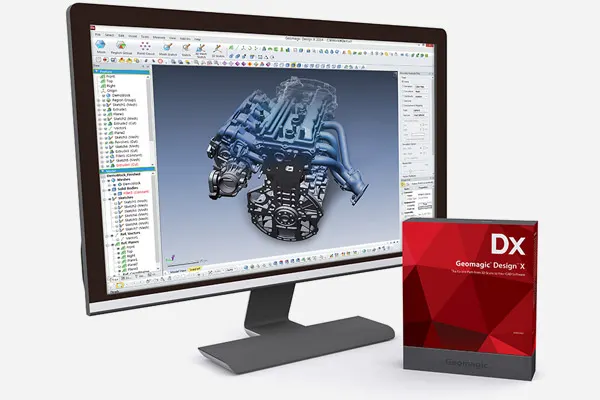
Artec Studio registers, fuses and textures the scans. Geomagic Wrap cleans and repairs meshes for replicas or publication.
- Artec Studio ProAll-in-one 3D scanning and photogrammetry software: capture, process, model, reverse engineer and inspect, then export to CAD.
£1,008from, ex VAT
- Geomagic WrapTurns point clouds and meshes into usable surfaced geometry — the fastest route from scan to a watertight model.
£2,332from, ex VAT
Questions we get asked
Something else? Ring 0330 229 0175 and an engineer will answer it.
Not answered here?
Ask the engineers who run the machines. We answer the same working day.
Does scanning risk damaging the object?
No. The scanners project light and nothing touches the object. We plan lighting and handling with the curator before we start.
Can you scan objects where they are kept?
Yes. Our portable scanners go to the gallery, the store, the site or the family home, so pieces are captured in situ.
Can visitors see the result online?
Yes. We prepare light textured versions for collection websites and 3D viewers, alongside the archive master.
Can a scan be used to make a replica?
Yes. The London Stone scan is a digital backup that could make a full-size replica. Miniature versions were 3D printed for the exhibition.
What is in an education package?
An Artec Leo, Spider II, Eva, Point II, Micro II or Ray II with a lifetime Artec Studio licence (up to 50 more on request), 2 years of upgrades and Artec Academy courses marked EDU. Leo, Spider II and Eva packages add 2 years of Artec Care. Each package is priced, ex VAT, on the education page.
Do you take purchase orders from universities?
Yes. Education packages are priced in pounds ex VAT, on the education page. We take purchase orders.
What the work usually is
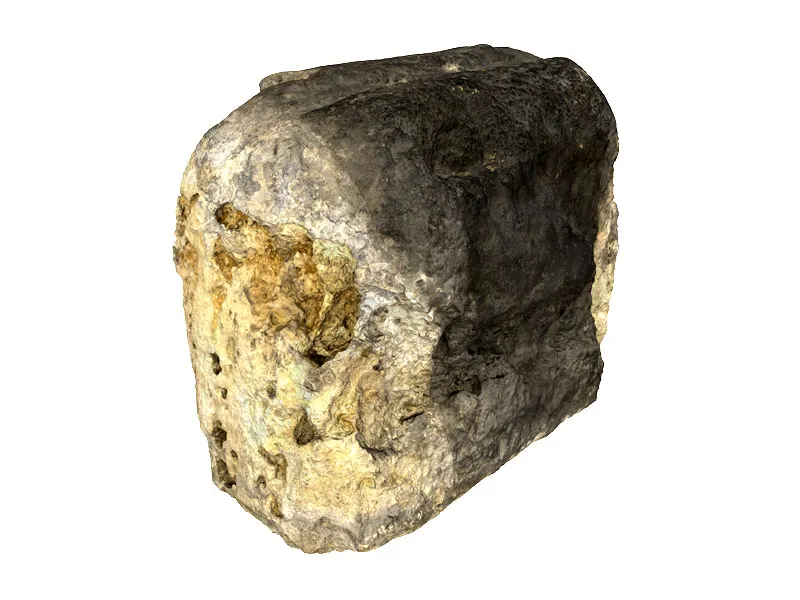 Digital archivingHeritage objects and artefacts recorded as accurate 3D models.
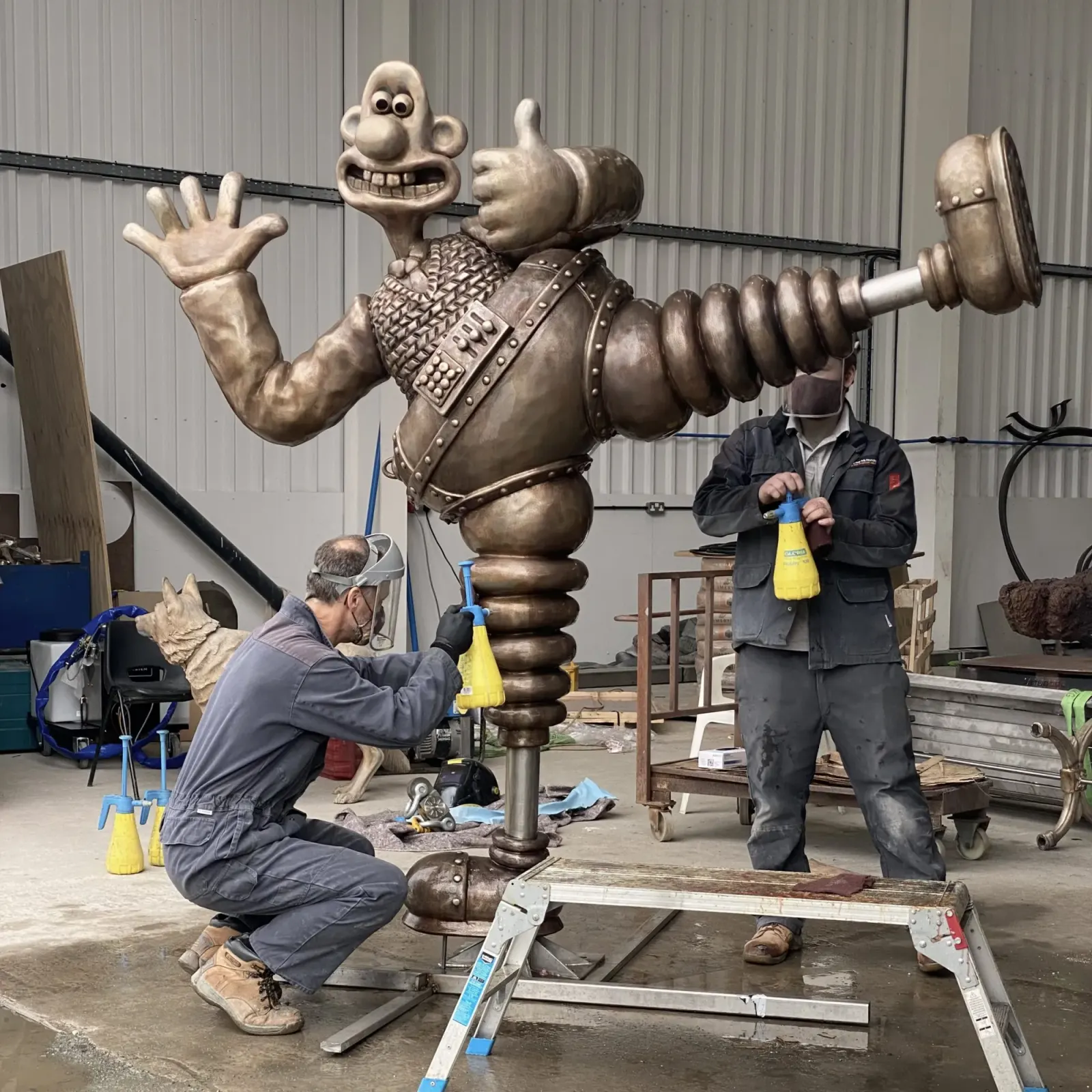 Sculpture & artFrom maquette to monument: archive, scale, reproduce or cast.
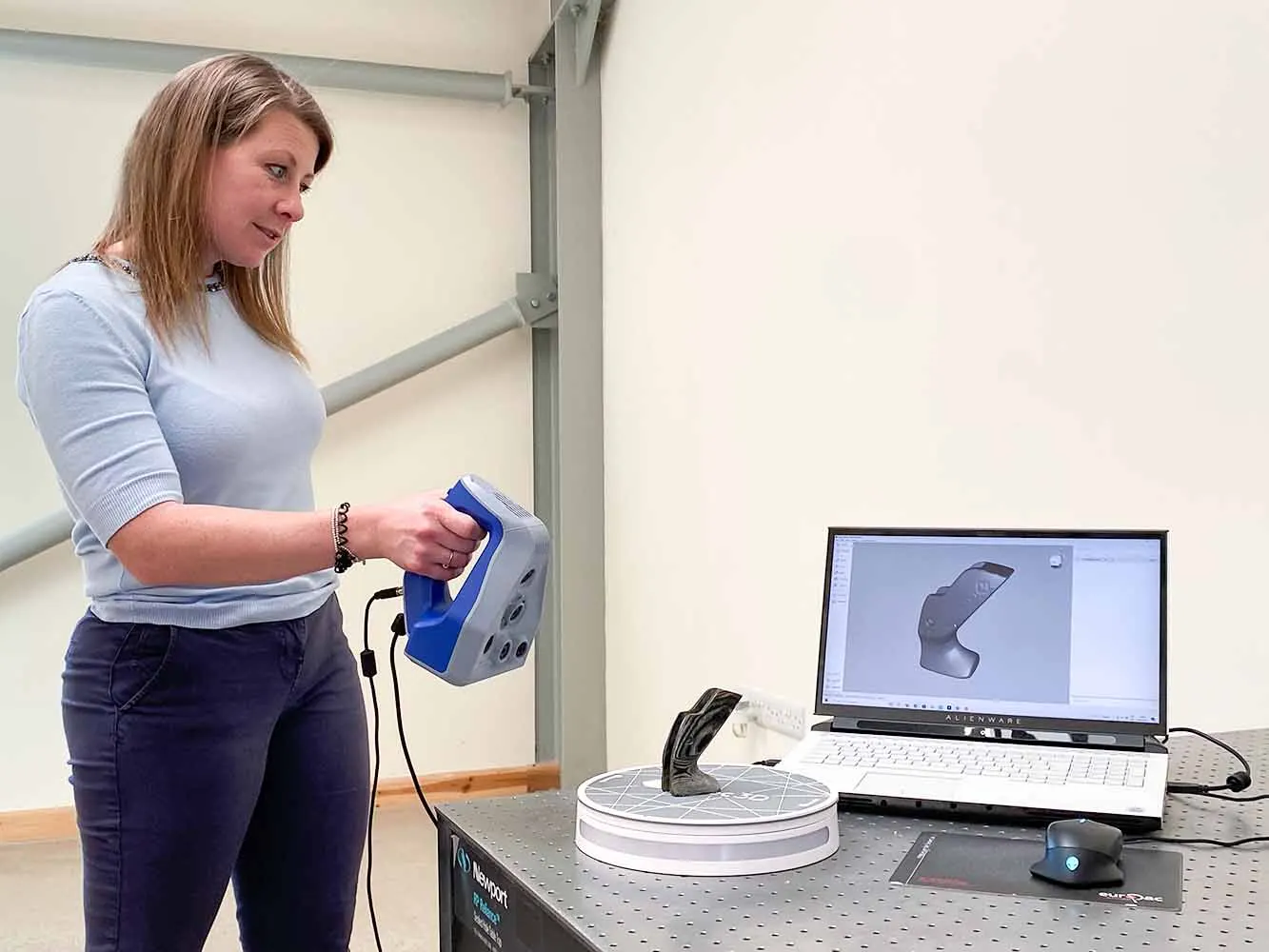 3D printing from scansScan an object with no 3D data and print a copy, a scaled version or a new design.
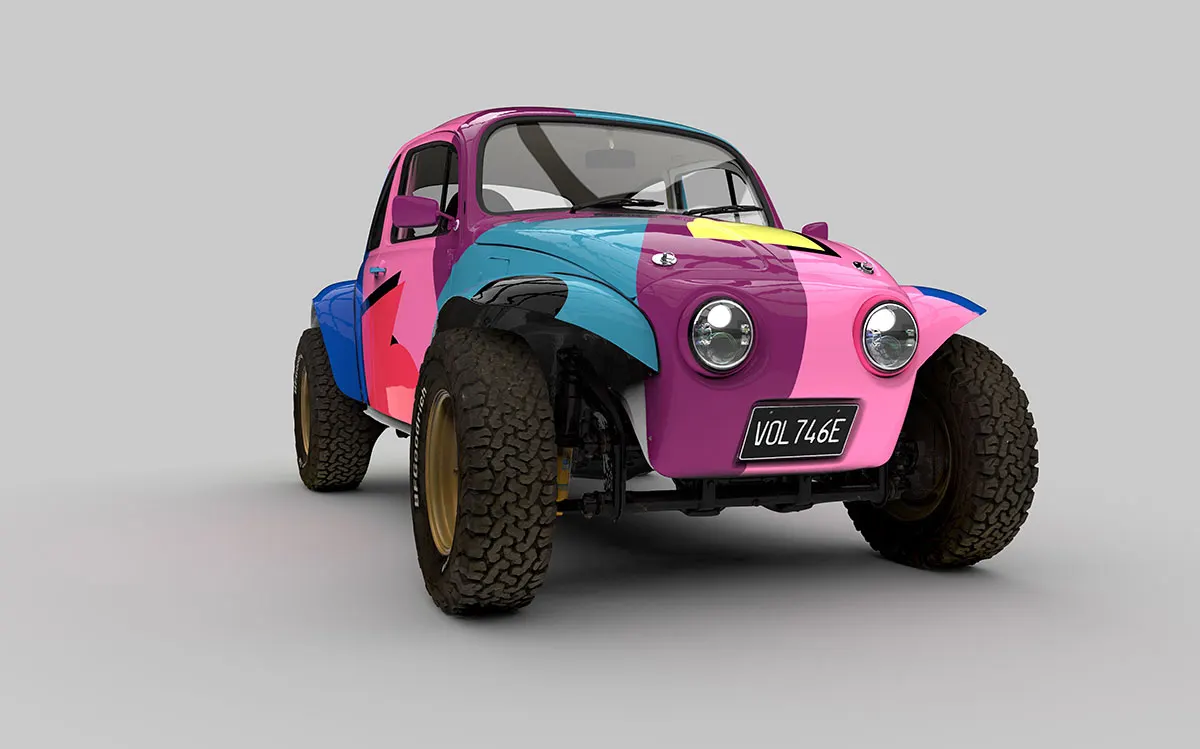
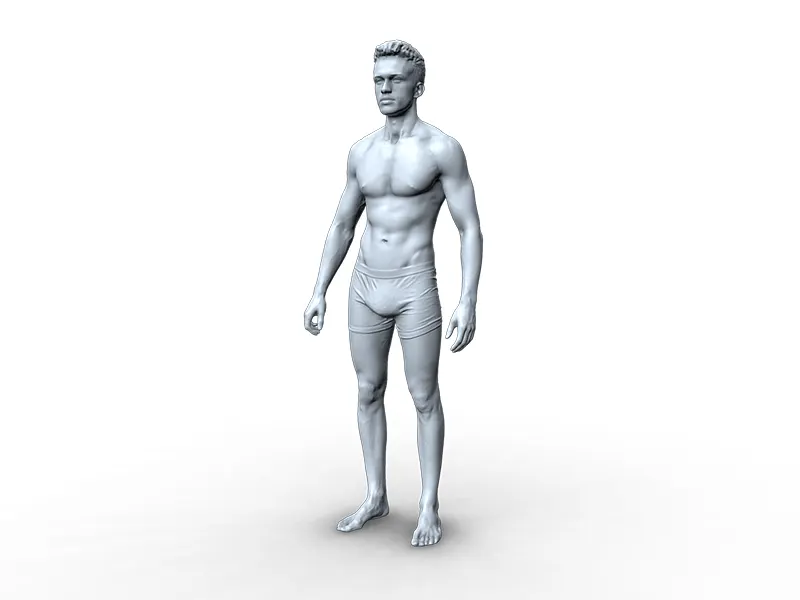 Animation & VFXPeople, props and vehicles in full colour for film, TV, games or renders.
A collection to record, or a lab to equip?
Tell us about the objects, or the department. We will plan the scanning with your curator, or the package and training with your faculty.