.svg)
IndustriesObjects, machinery & vehicles
Scanning objects, machinery and vehicles
Things you walk round rather than pick up: a car, a tractor attachment, a robot cell, a helicopter. Too big for a desktop scanner and too detailed for a building survey, so they need a handheld that sees a lot at once. Sometimes they need LiDAR from a tripod for the whole shape.
- Automotive and motorsport
- Agricultural and plant engineering
- Production and maintenance
- Film, TV and games
- Rail and aviation
- Forensics
- 35M
- Points a second, Artec Leo HD
- 0.35 to 1.2 m
- Leo working distance
- Under 24 hours
- Legacy tractor part, start to finish
What gets scanned at this size
Bigger than a bench, smaller than a building
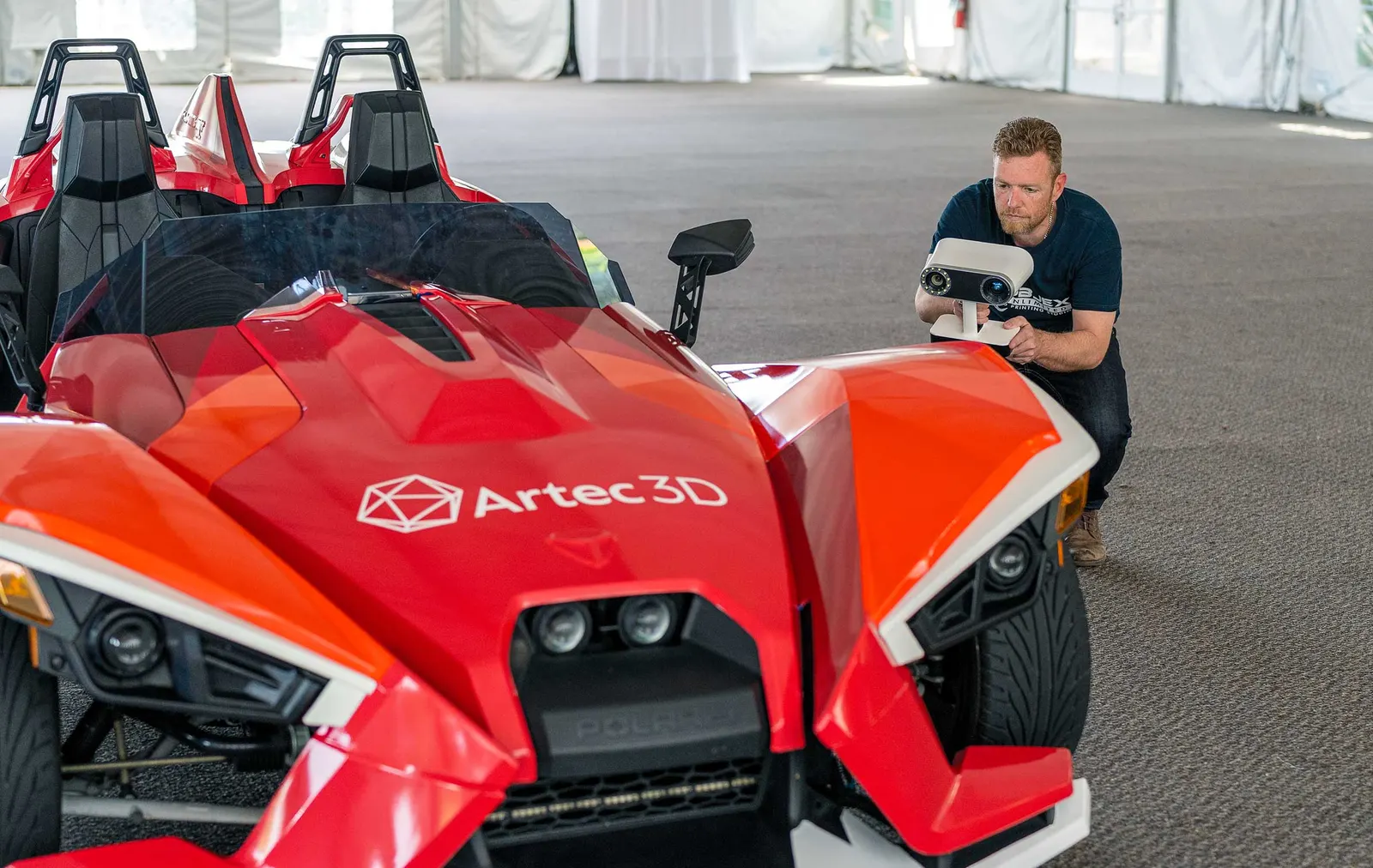
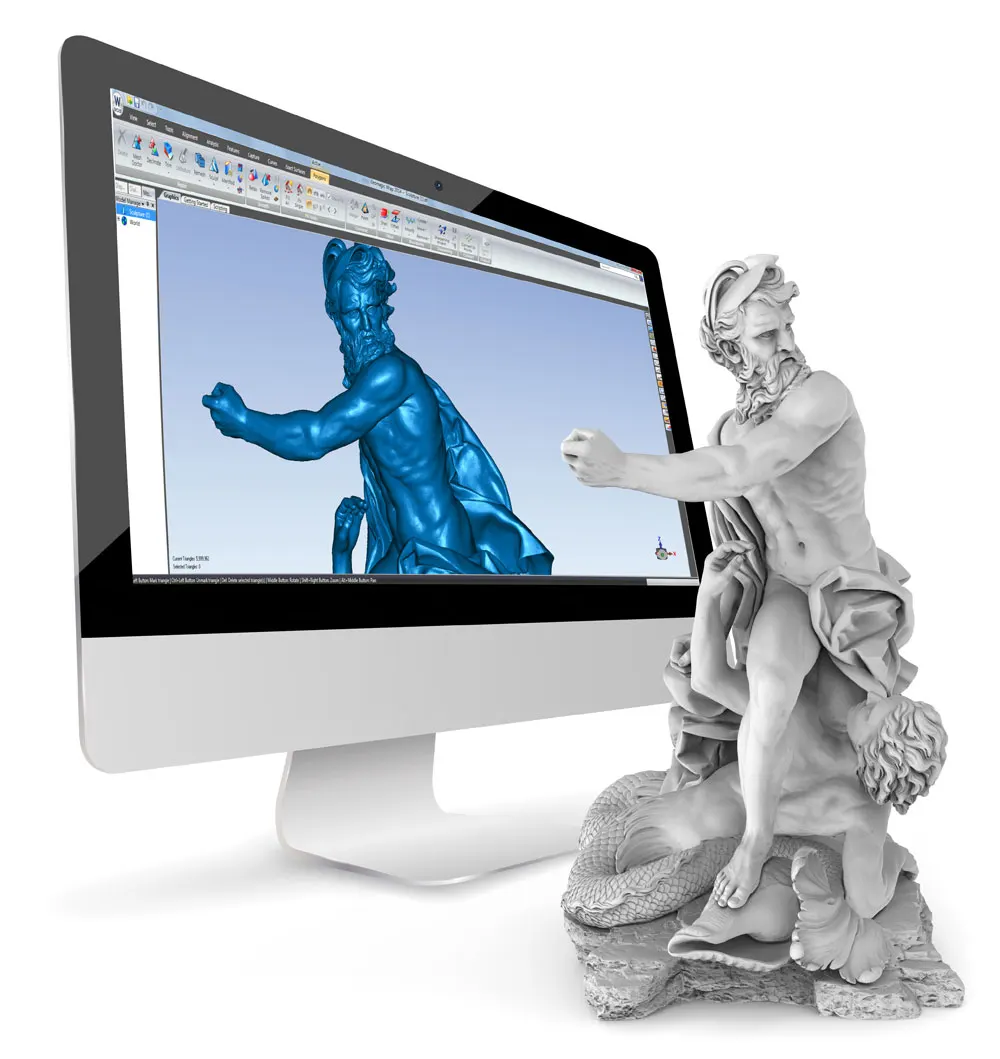
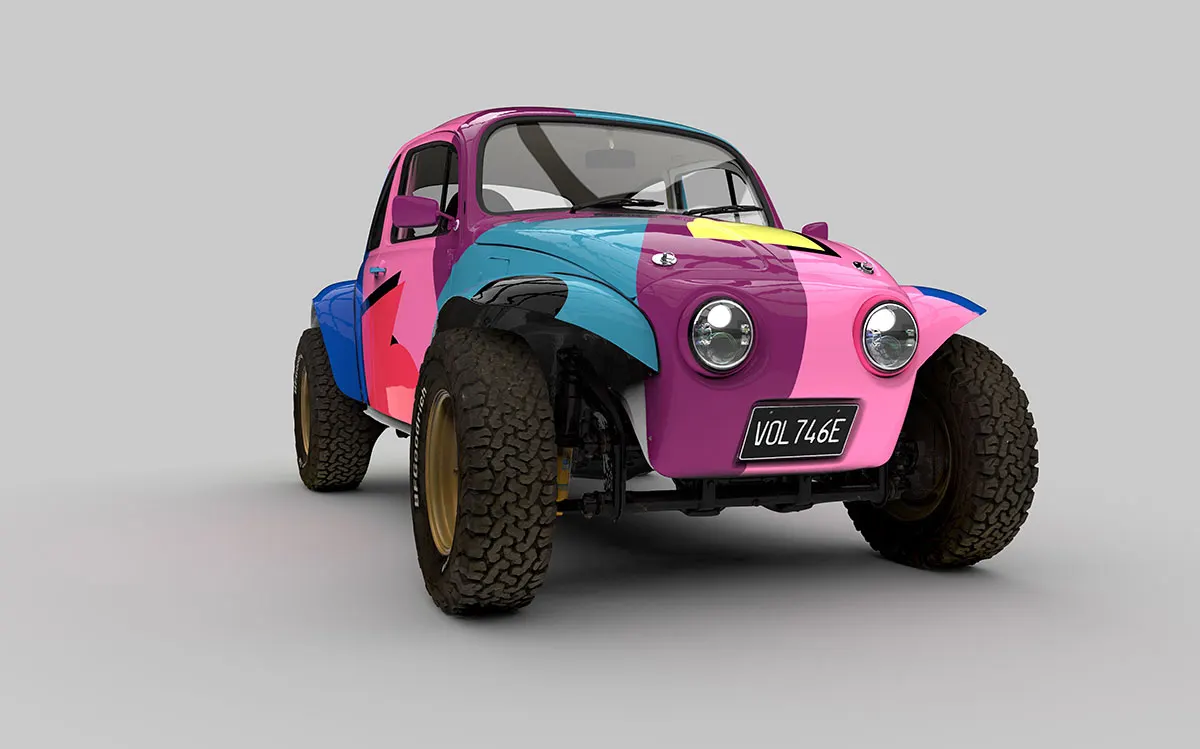
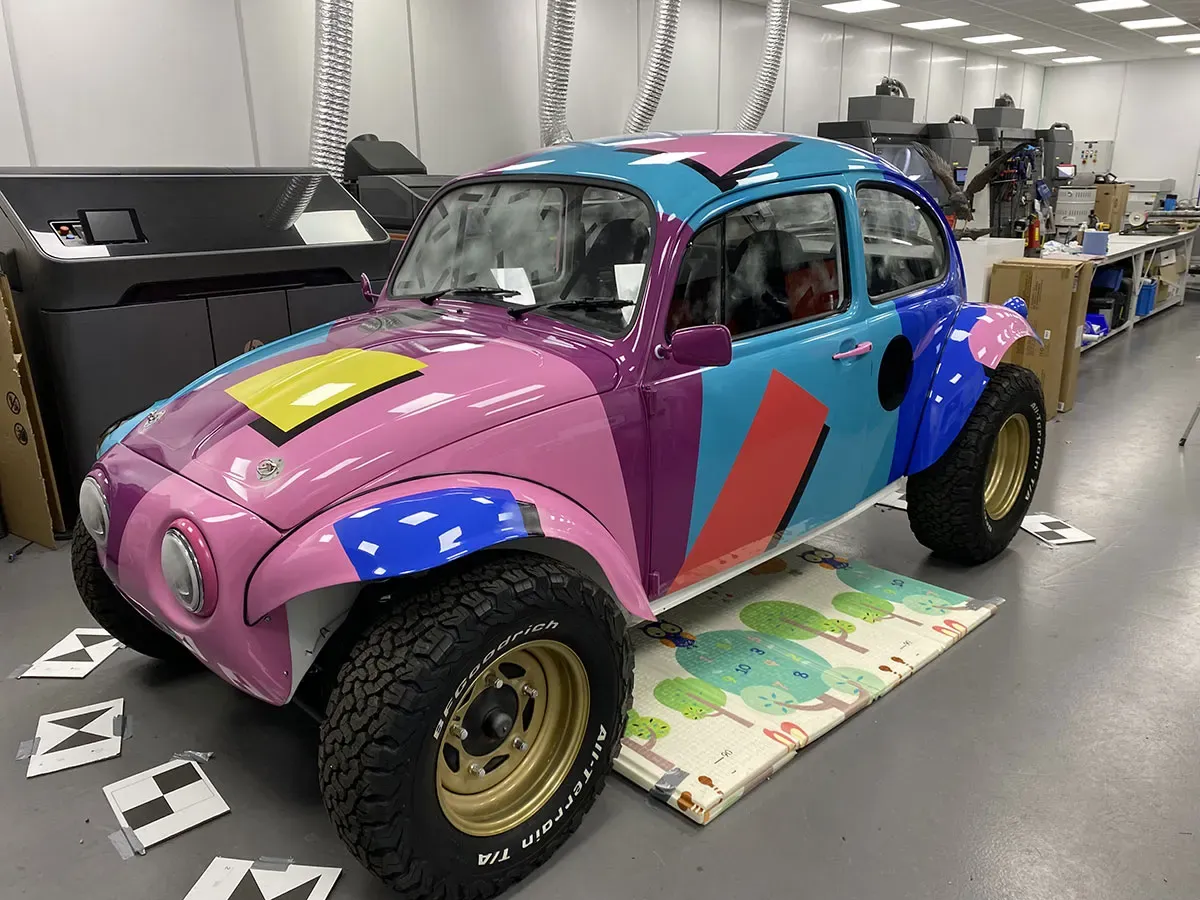
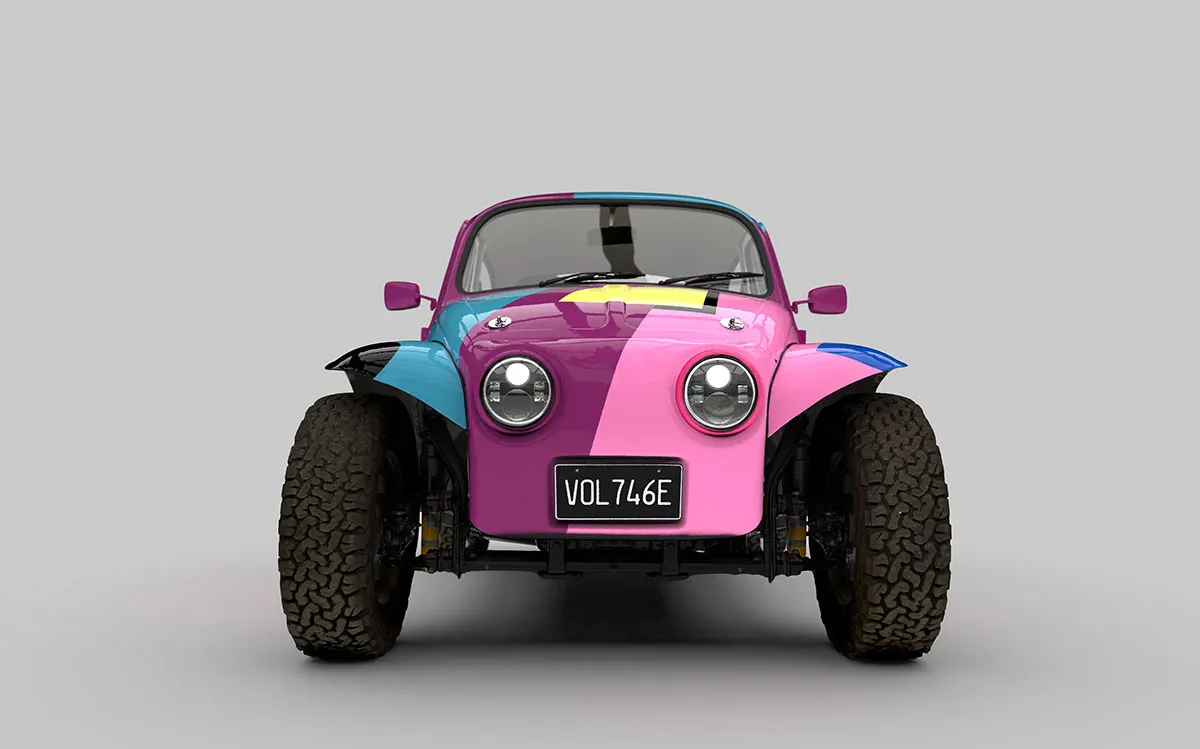
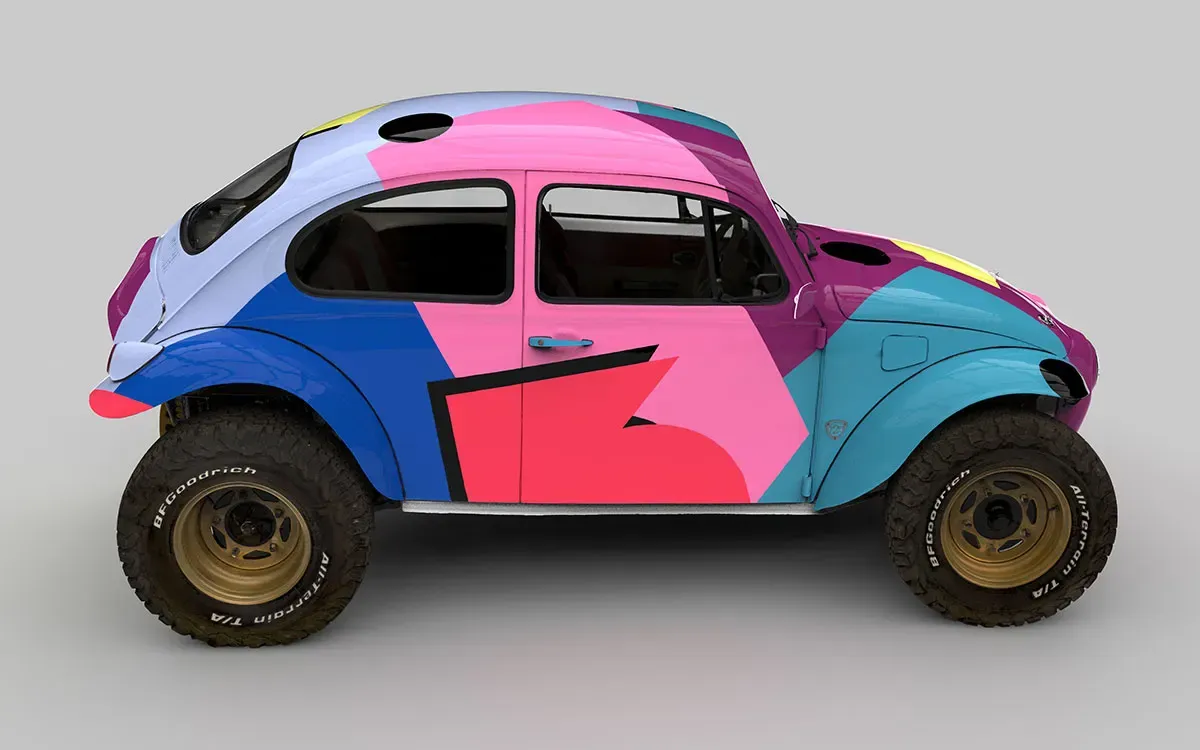 Digital twins for CGI, games and marketingWe scanned a VW Baja Bug inside and out with an Artec Leo for rendering as well as CGI. That included wheel arches, brakes and the cabin. Most industrial scanners struggle there with the size and the access.Read more
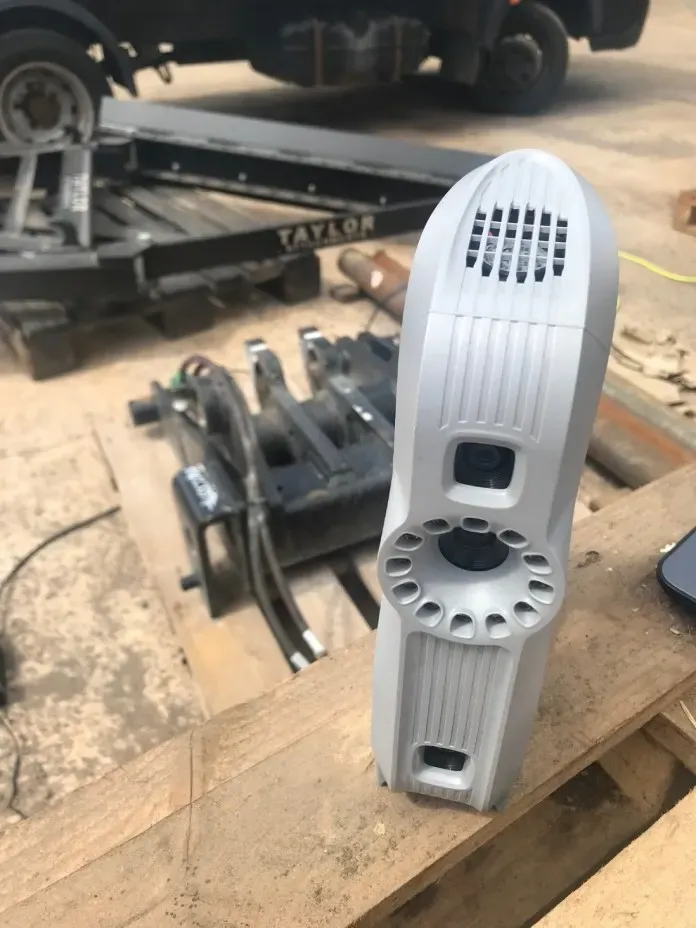 Legacy machinery rebuilt as CADTaylor Attachments scan a damaged tractor headstock in about 20 minutes, process it in another 20 and model it in SOLIDWORKS. A job that took up to three weeks by hand now runs start to finish in under 24 hours.Read more
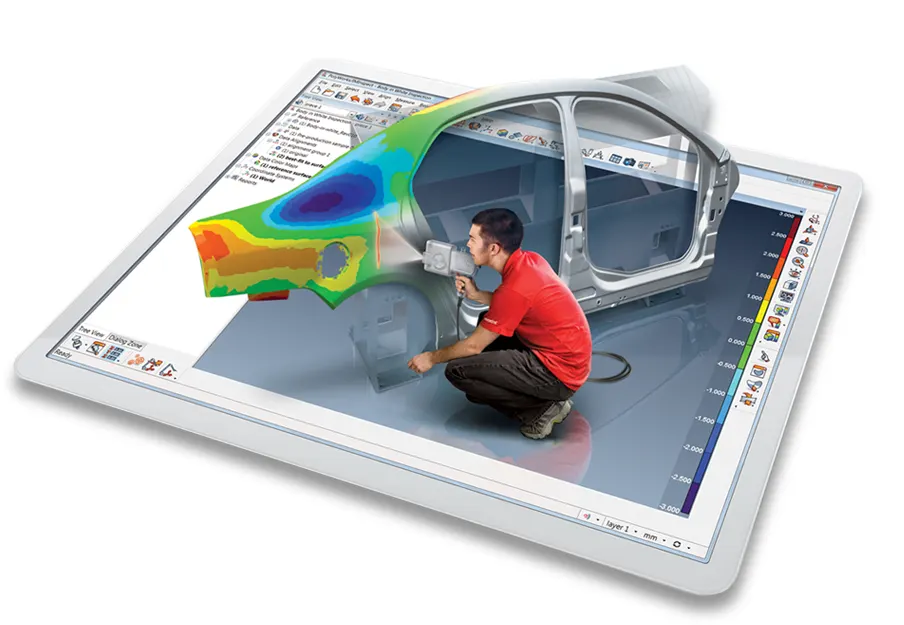
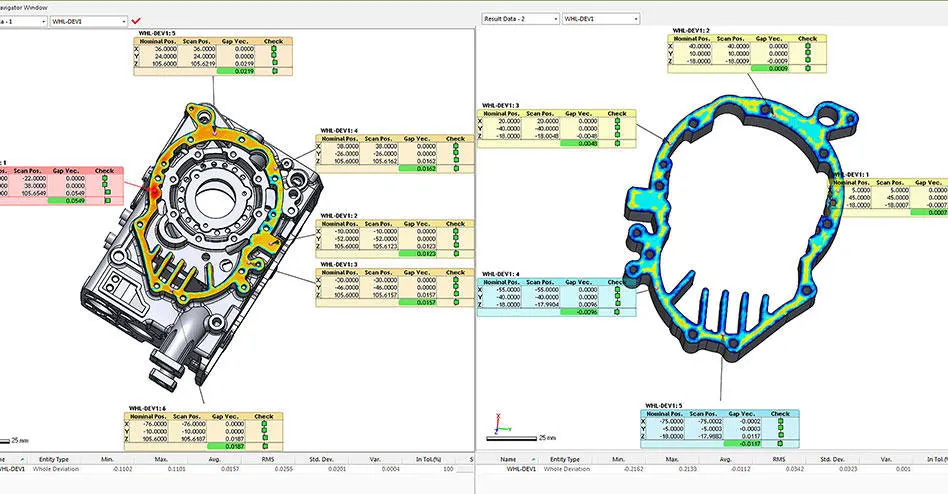
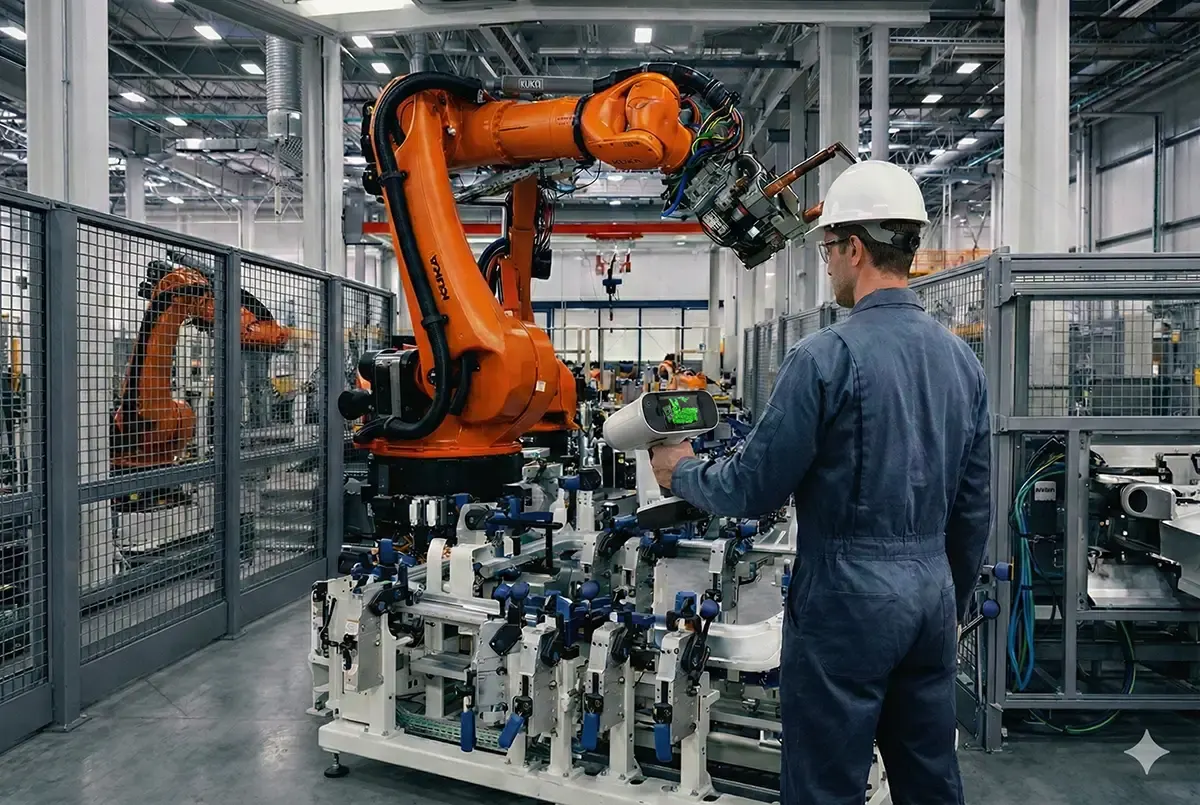
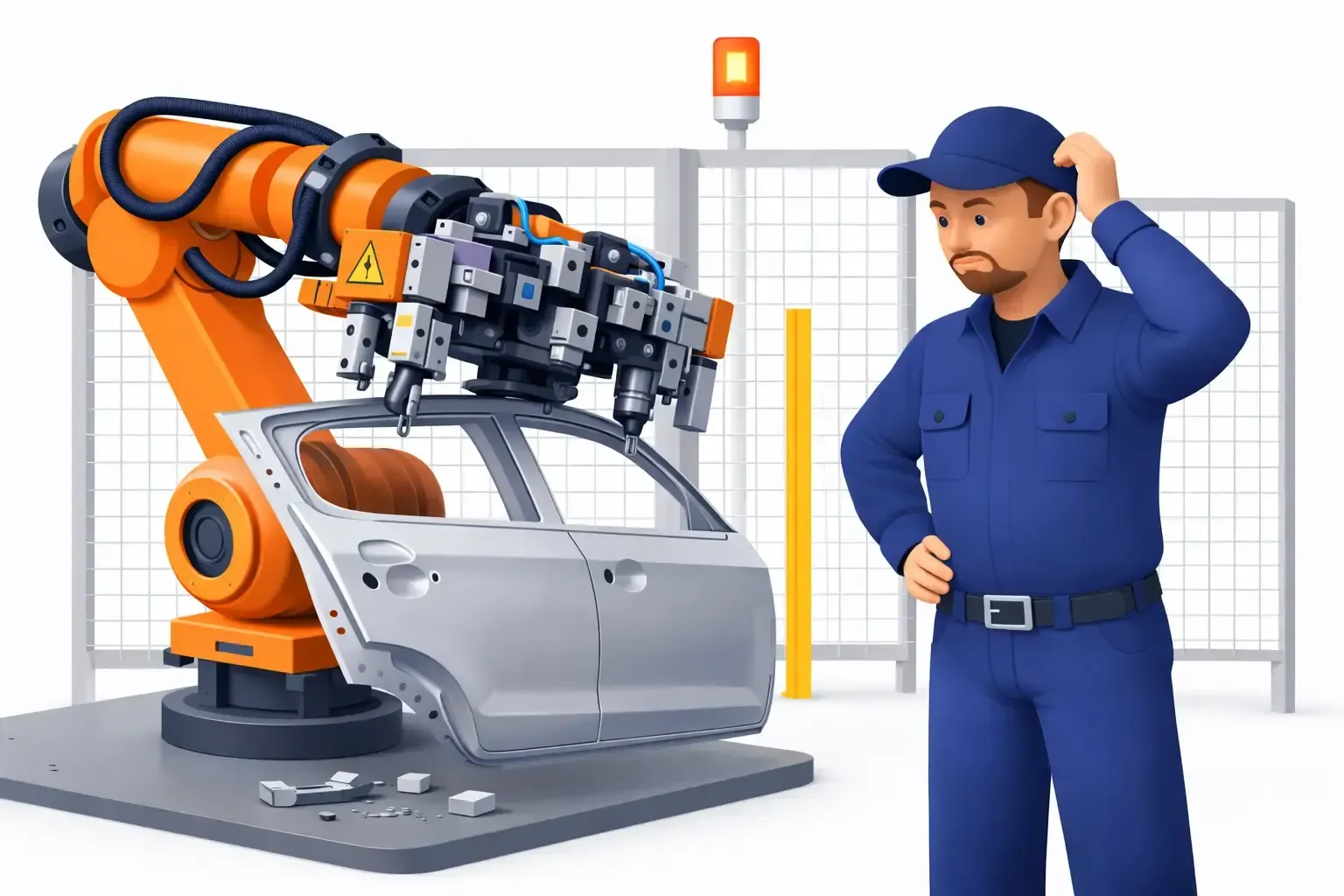 Fixtures and robot grippers on the lineAutomotive maintenance teams keep a golden scan of each working fixture and gripper. After a collision they rescan, overlay and colour-map the difference. They then adjust and get the cell running again.Read more
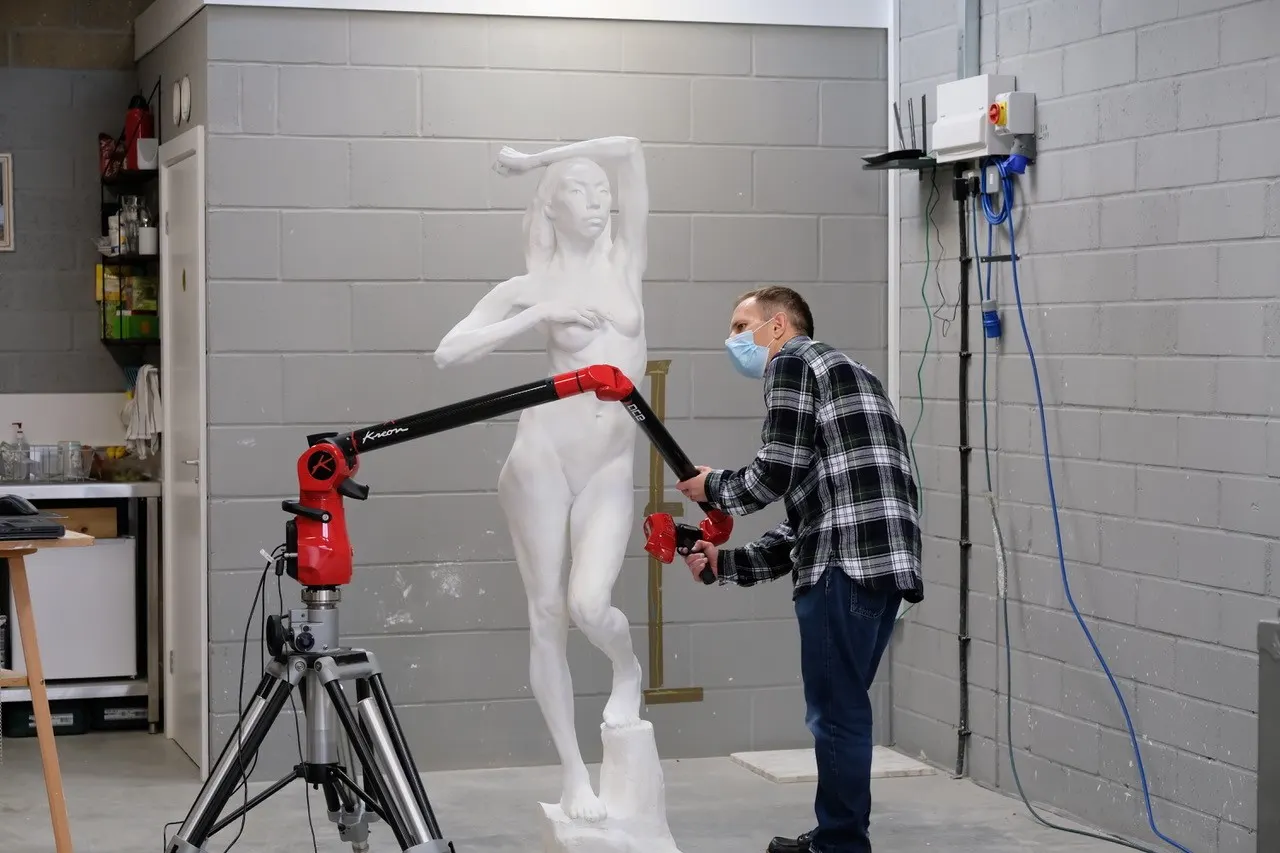
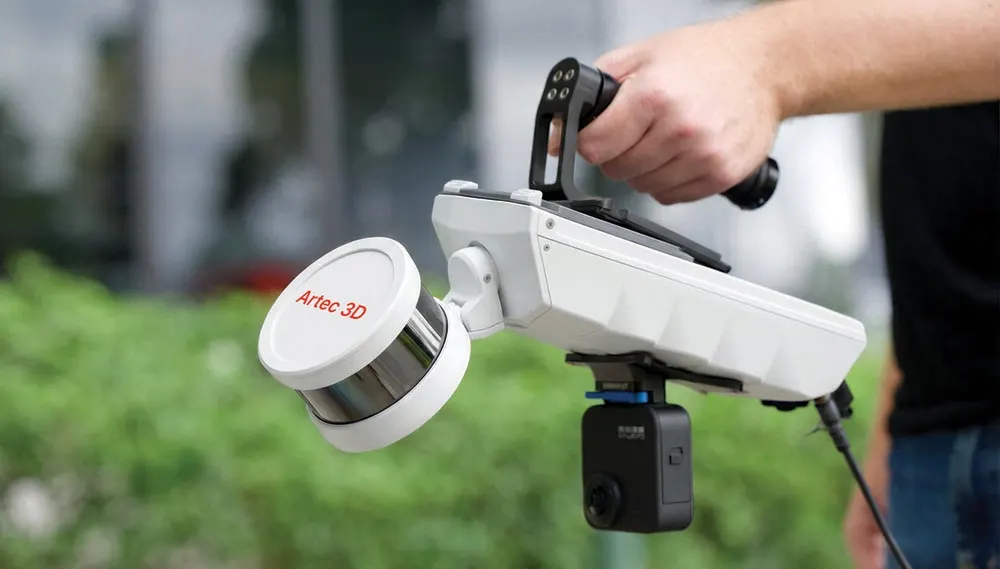
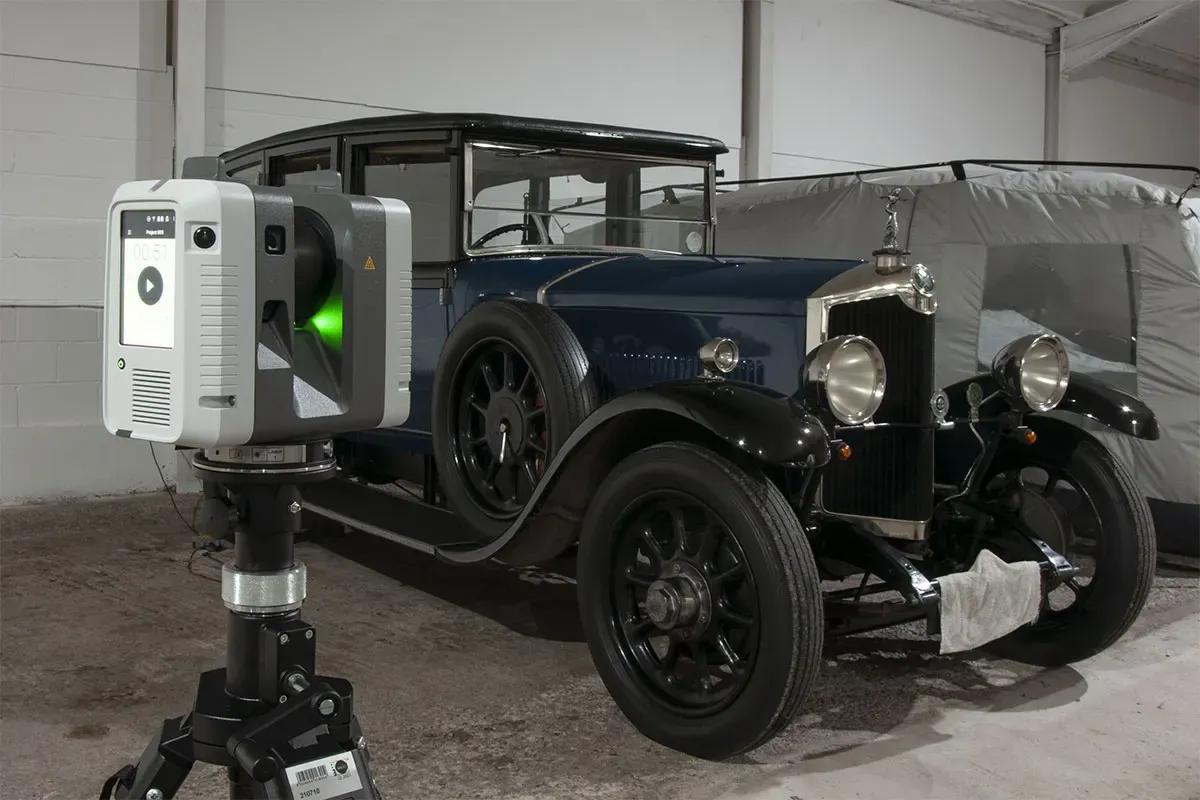 Whole vehicles and aircraft from a tripodFor a lorry or a helicopter, the Artec Ray II captures the whole shape from a few stations. A Leo patches in the detail. Artec Studio meshes the two together with more detail where the Leo scanned.Read more
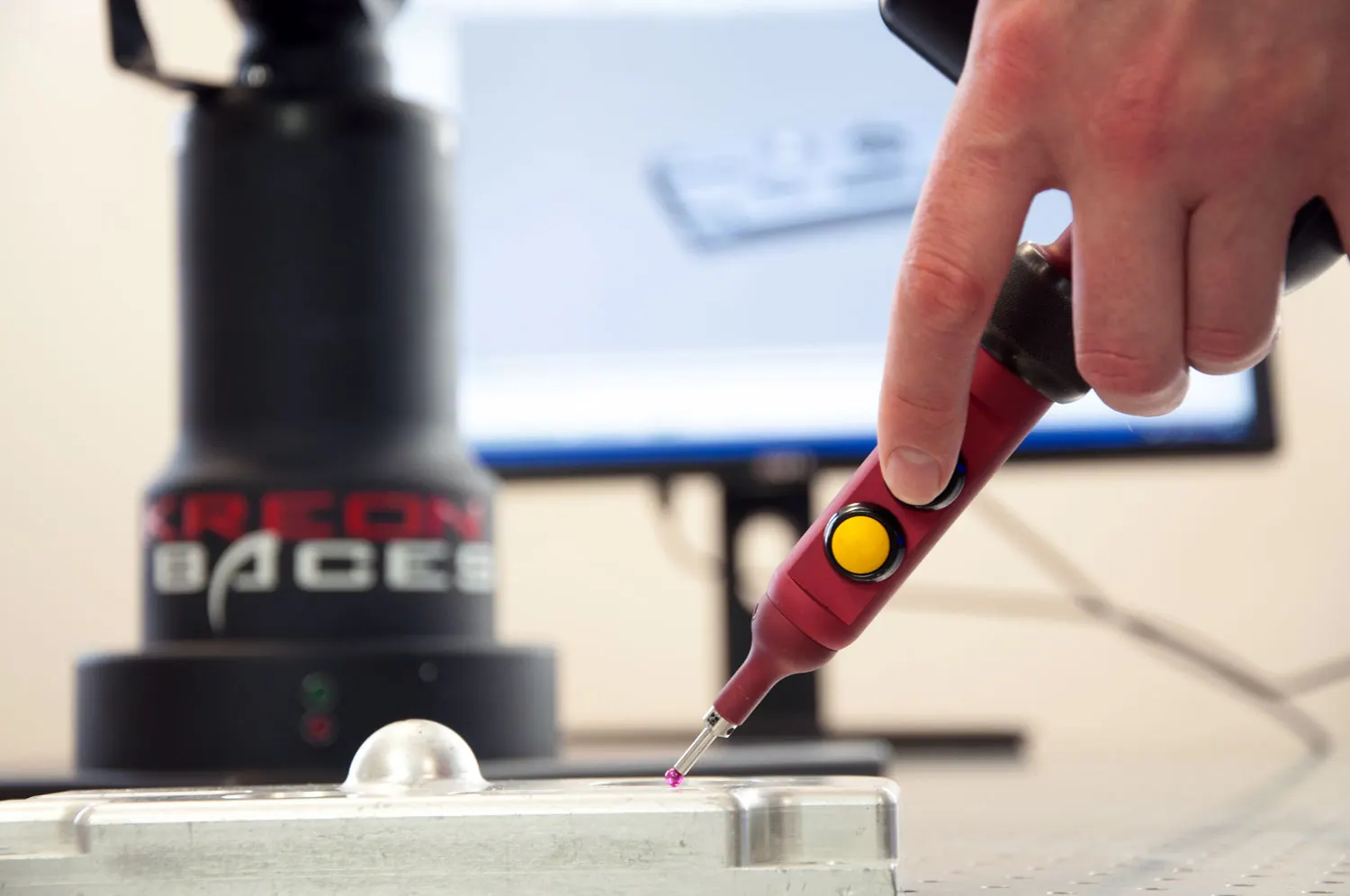
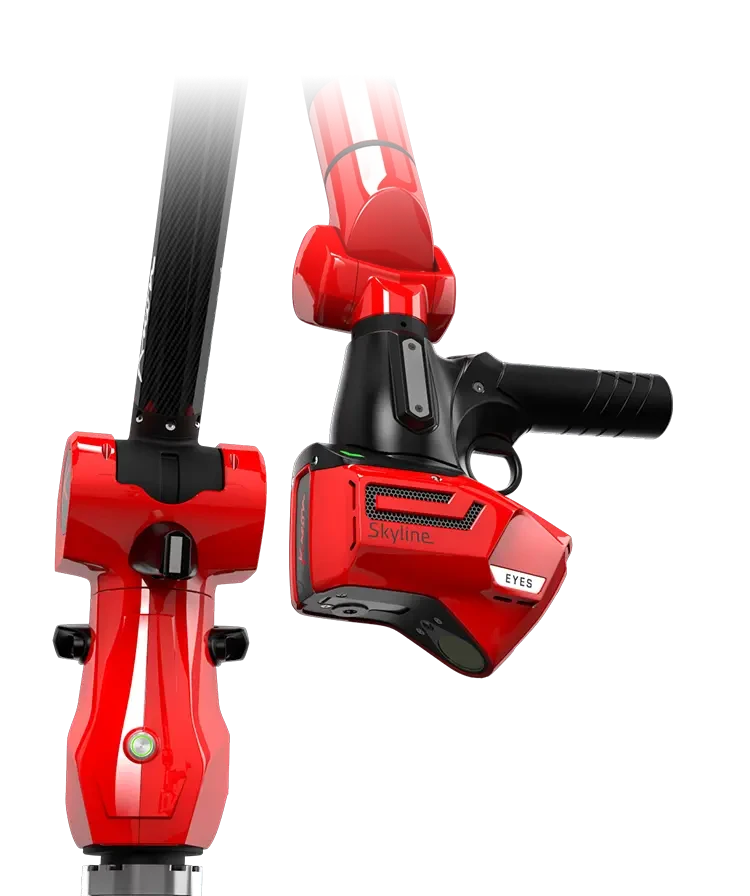
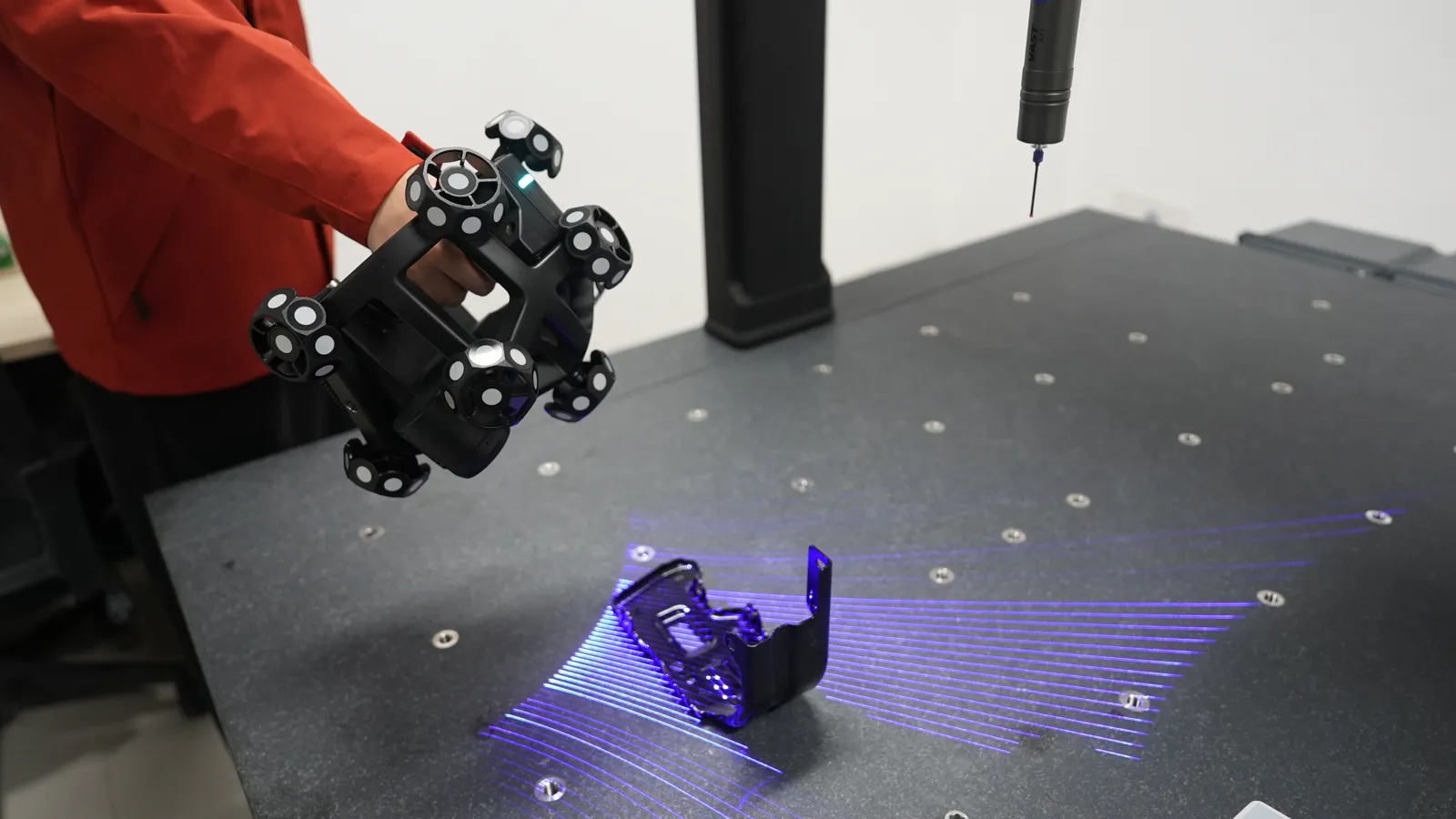
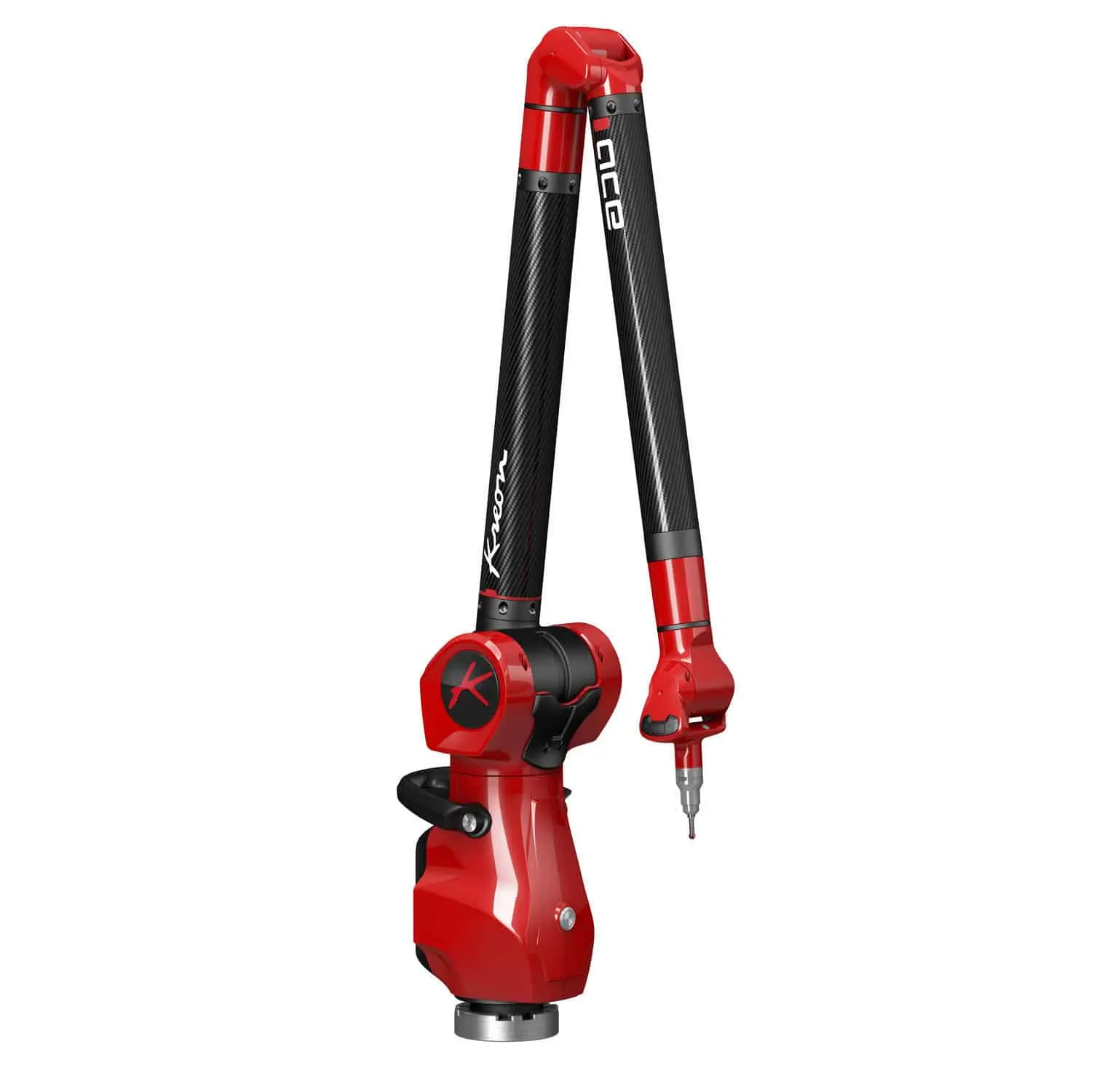
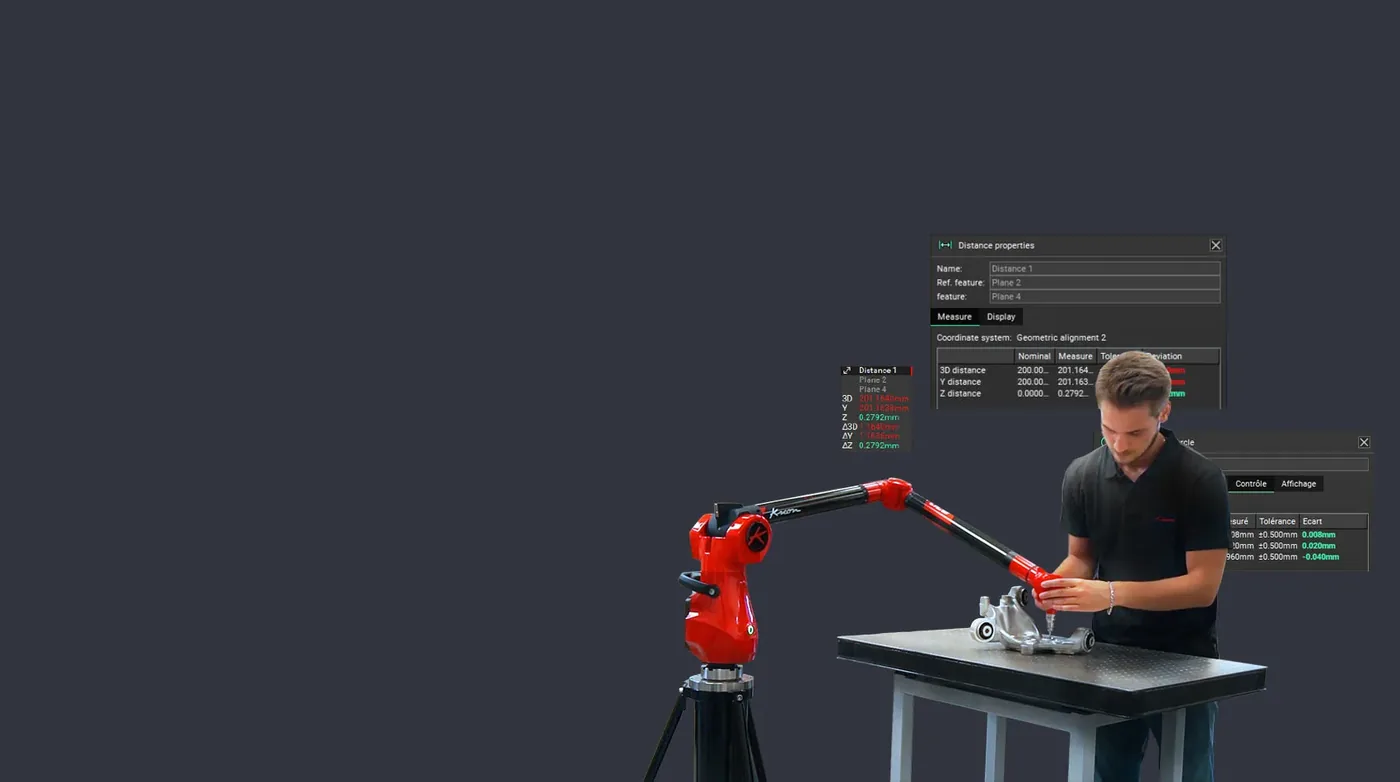
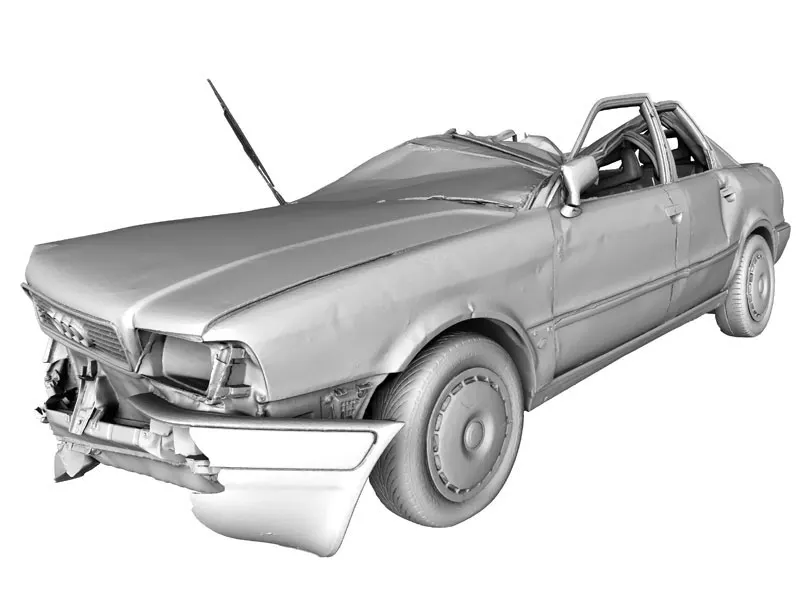
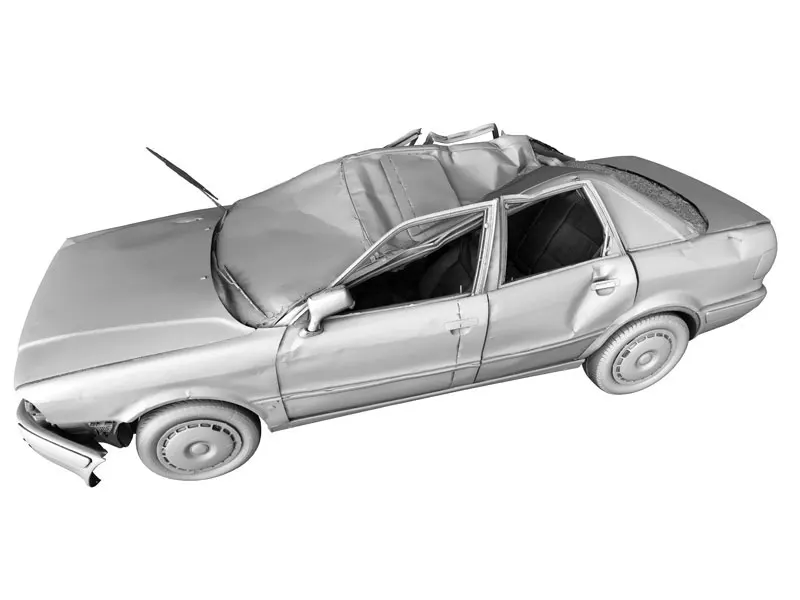
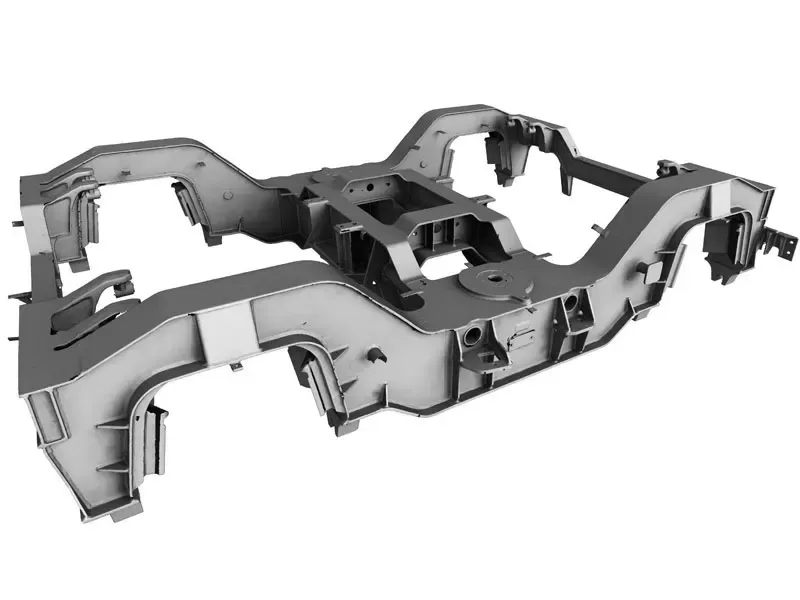 Crash damage and deformationDamage to trains or cars is scanned, then compared with the original CAD to measure twist and distortion. Datums are probed on a Kreon arm where the numbers matter.Read more
Capture to twin, or capture to part
How a vehicle or machine becomes usable data
The capture is the same whichever way the job goes. What you need at the end decides the rest: a textured model for a twin or a render, a parametric model to make a part, or a colour map to find what has moved.
- 1
Prepare and capture
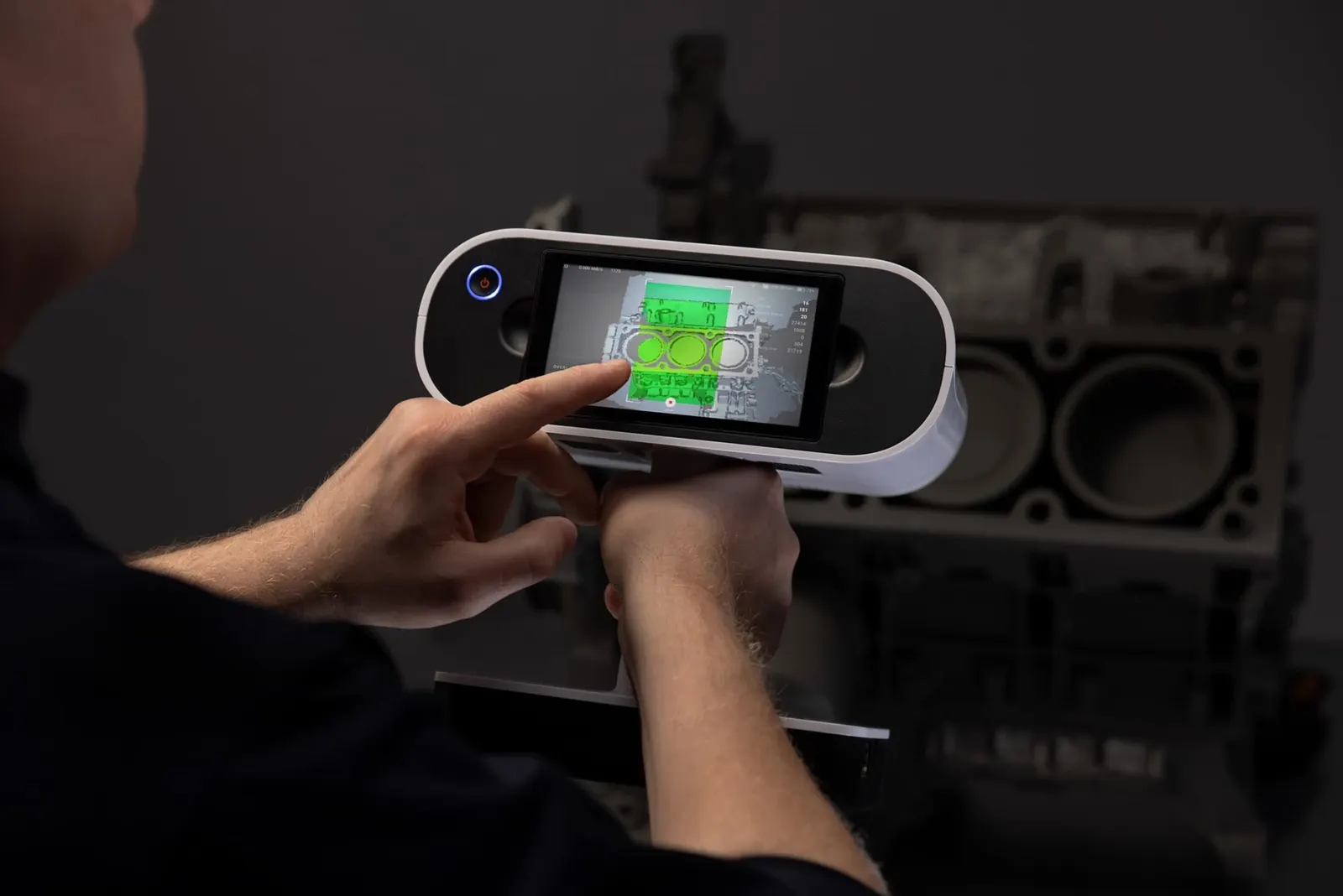
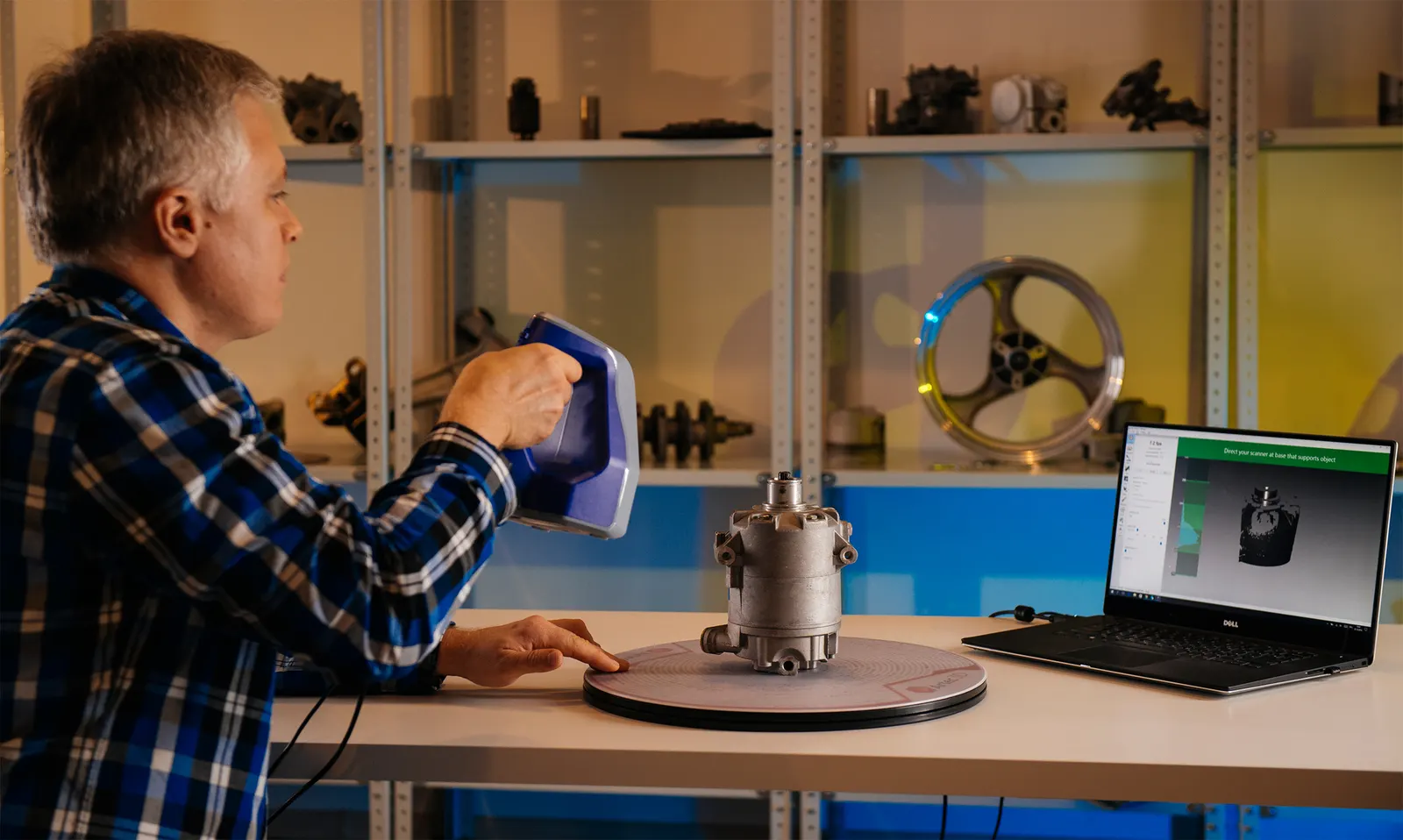
Targets round the vehicle where the surfaces are plain, dulling spray on chrome and glass, then the Leo walks round it with nothing trailing. Hard-to-reach areas such as wheel arches, grilles and cabins are taken in separate passes.
- 2
Process in Artec Studio
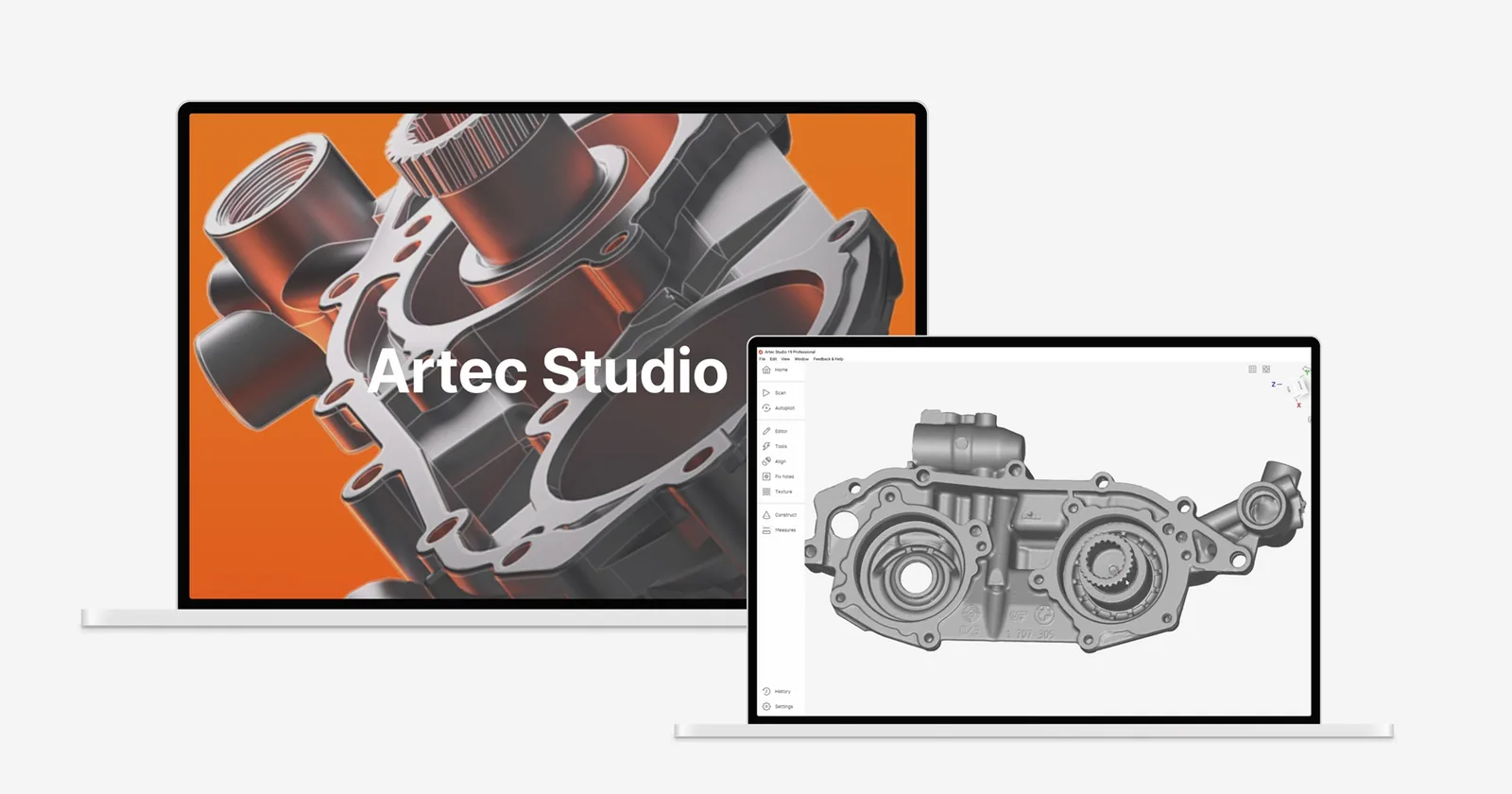
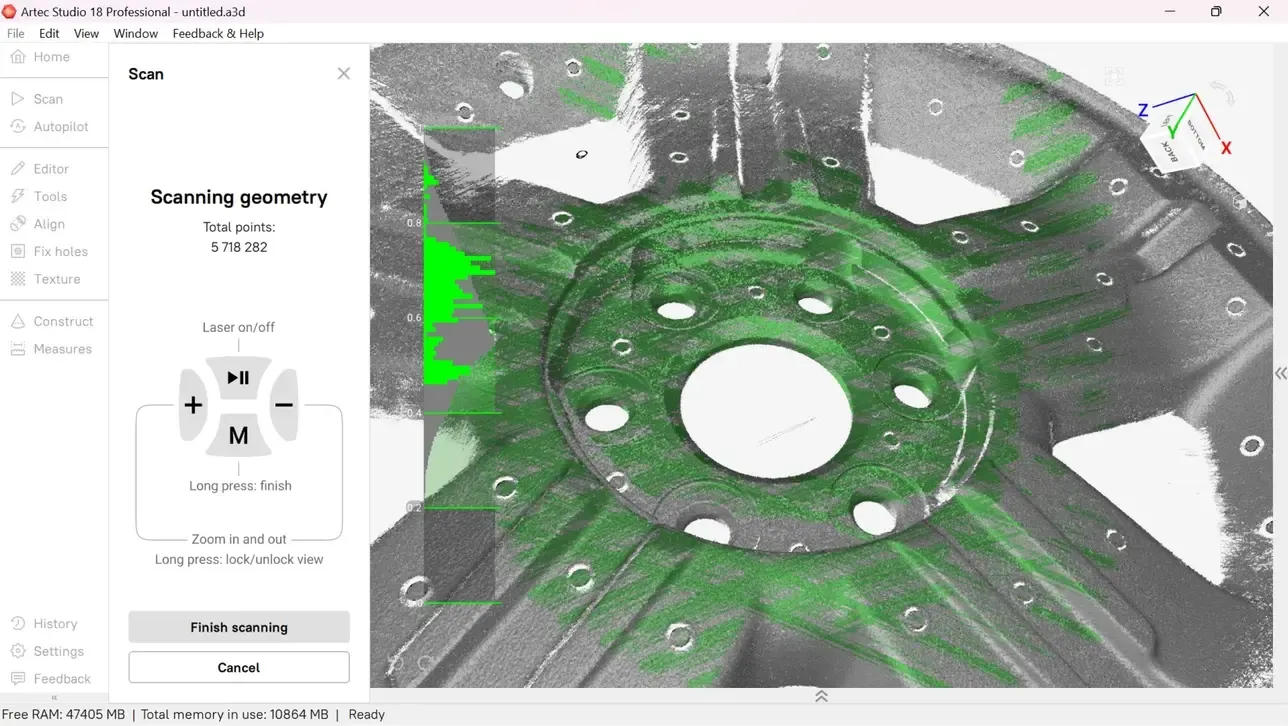
Scans are aligned, cleaned and fused into one mesh. Where the Ray II captured the overall shape, Leo detail is merged in with adaptive meshing.
- 3
Twin: texture and deliver
For CGI, games, training or a fleet record, the colour texture goes on and the model is exported in the format your platform or render engine imports.
- 4
Part: model to CAD
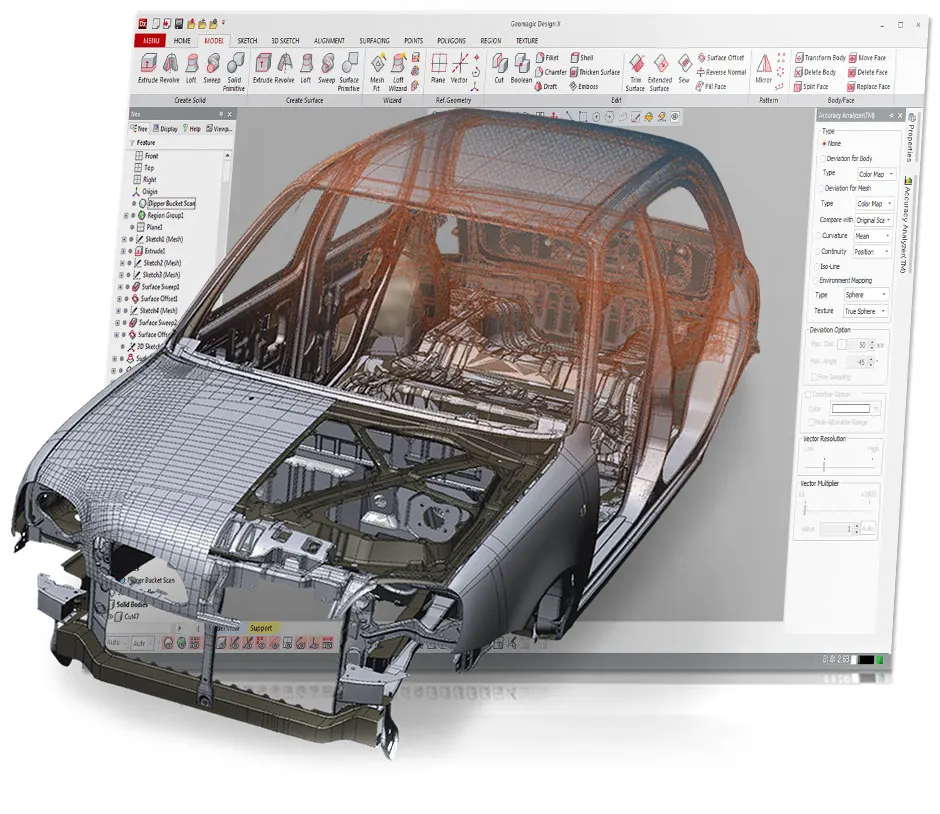
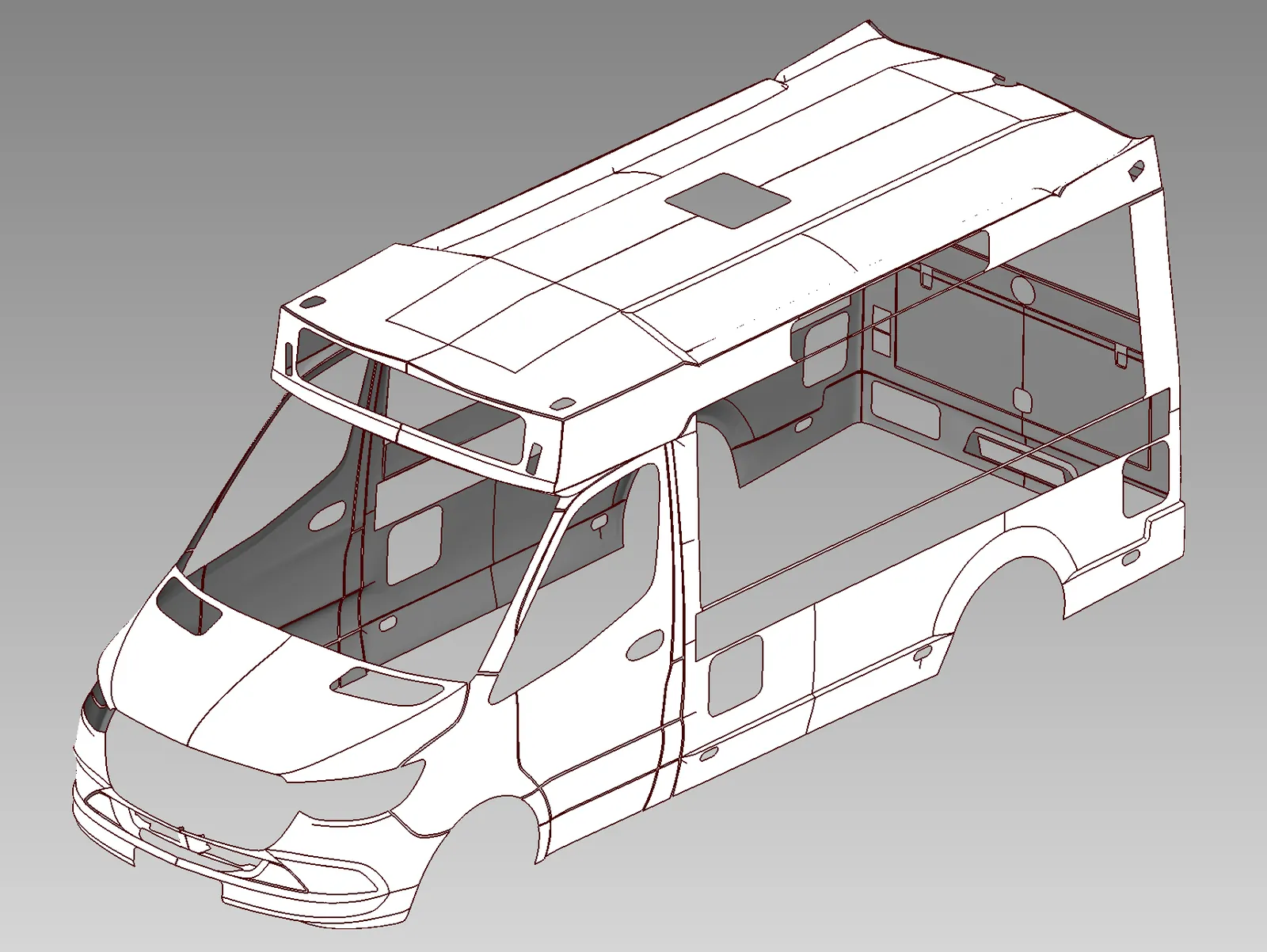
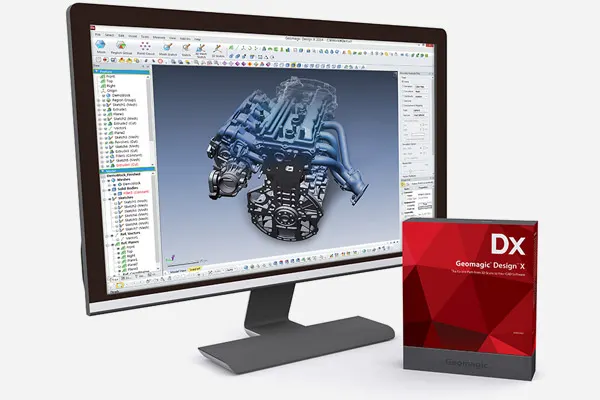
For a replacement part, Geomagic Design X or Geomagic for SOLIDWORKS builds a parametric model over the scan, with design intent restored and the deviation from the scan checked.
- 5
Check: compare and act
For fixtures, grippers and damage, the new scan is overlaid on CAD or a golden scan. The difference is shown as a colour map, so the fix starts in the right place.
Vehicles, machines and people we have scanned
Jobs we did ourselves, written up with the people we did them for.
- Legacy tractor equipment rebuilt in a dayTaylor Attachments went from up to three weeks per job to under 24 hours with an Artec Eva.
- Fixture and gripper inspection on the lineGolden scans and colour maps to recover a robot cell after a collision.
- EasyJet and MPC: actors scanned on setArtec Eva capture of actors at MPC’s London studio for an EasyJet advert.
Why this scale is awkward
What makes vehicles and machines hard to scan
- 01
Size against field of view
Most cars are 4 to 5 metres long. A small-field scanner takes all day on that. The Leo’s field of view reaches 838 × 488 mm, while the Ray II takes in the whole vehicle from a tripod.
- 02
Places you cannot see into
Grilles, wheel arches, brakes, wipers and cabins are obstructed as well as deep. They need separate passes and a scanner light enough to get into position, with no cable to snag.
- 03
Chrome, glass and black paint
Reflective and dark finishes return little or no data. A self-vanishing spray such as ATTBLIME sublimes off within hours, so the vehicle goes back as it came.
- 04
Things that cannot move
Machines bolted to the floor, cells still in production and vehicles in a customer’s yard are scanned where they are. Everything we use for this is portable. The Leo needs no laptop.
- 05
Knowing what the data is for
A twin for a render, a part for manufacture and a check against CAD need different accuracy. They also need different deliverables. Deciding which before capture is what keeps the price sensible.
Scanners for objects you walk round
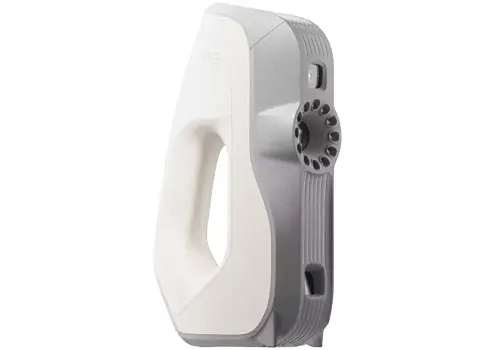
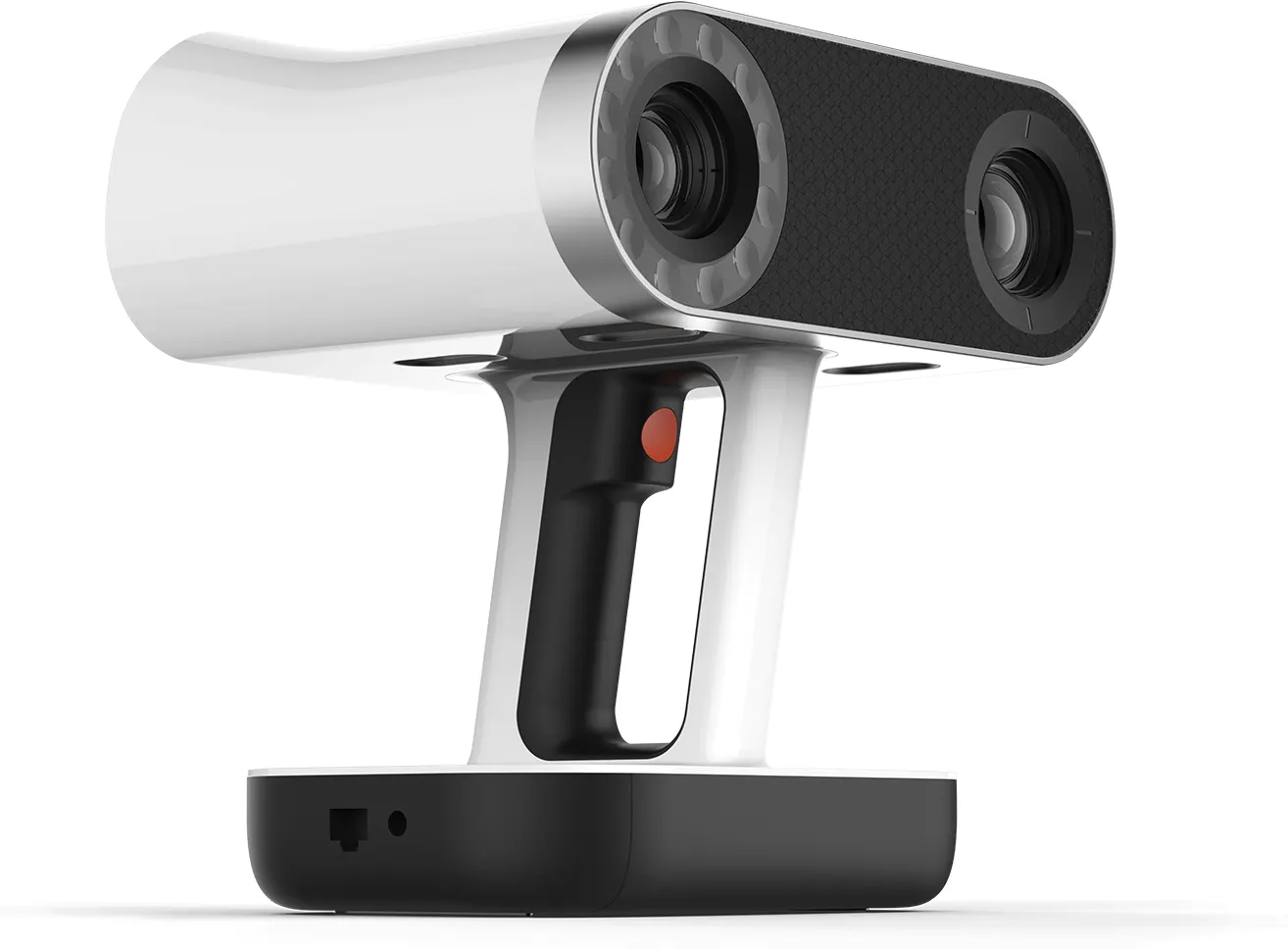
The Leo is the default at this size. The Ray II adds the whole shape of very large vehicles and aircraft. The Point II with the Metrology Kit adds accuracy over distance where it is needed.
£29,232ex VAT
Find out more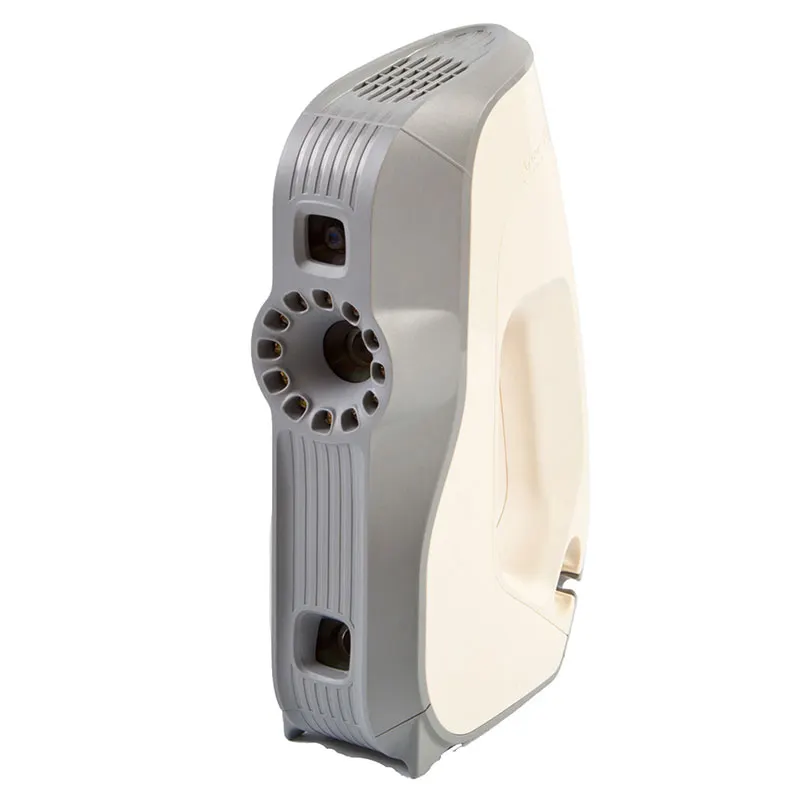
£8,316ex VAT
Find out more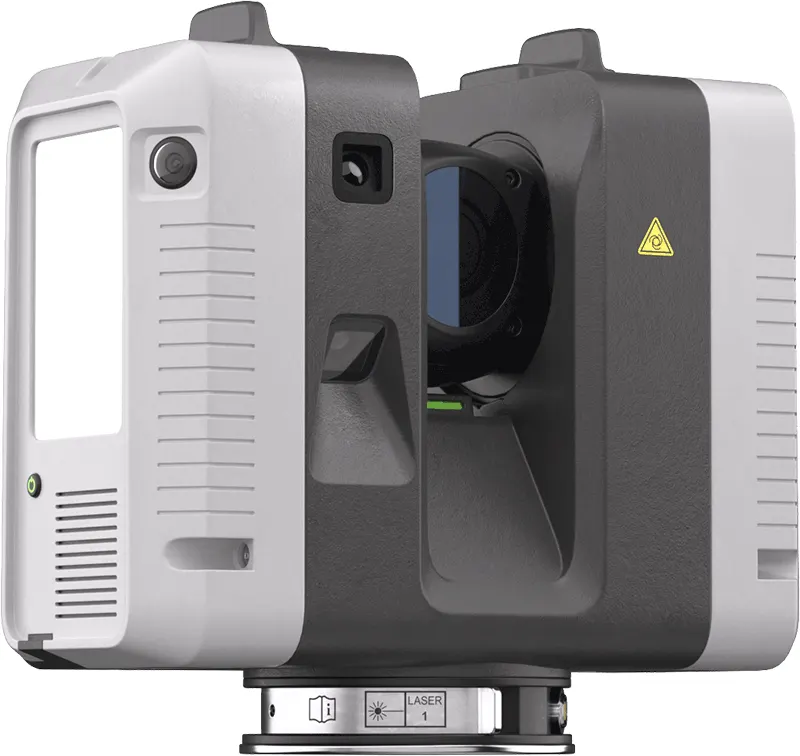
£49,938ex VAT
Find out more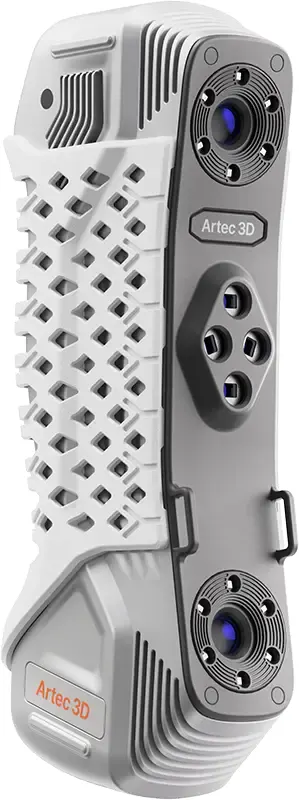
£20,076ex VAT
Find out more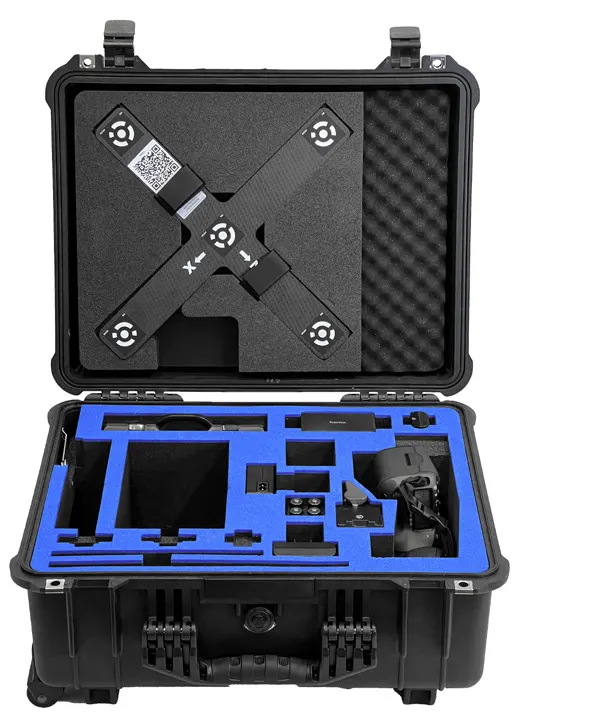
£18,396from, ex VAT
Find out moreSoftware for twins, parts and checks
Licensed, installed and taught by us. See the courses
- Artec Studio ProAll-in-one 3D scanning and photogrammetry software: capture, process, model, reverse engineer and inspect, then export to CAD.
£1,008from, ex VAT
- Geomagic Design XFull reverse engineering to design-intent, editable parametric CAD — recreate how the part was designed, not just its surface.
£1,470from, ex VAT
- Geomagic for SOLIDWORKSScan-to-CAD tools inside SOLIDWORKS itself — reverse engineer without leaving the CAD seat your team already uses.
£1,917from, ex VAT
- Geomagic Control XInspection and quality control — overlay scan data on the original CAD and report exactly how the part was made, with GD&T and automated reporting.
£3,864from, ex VAT
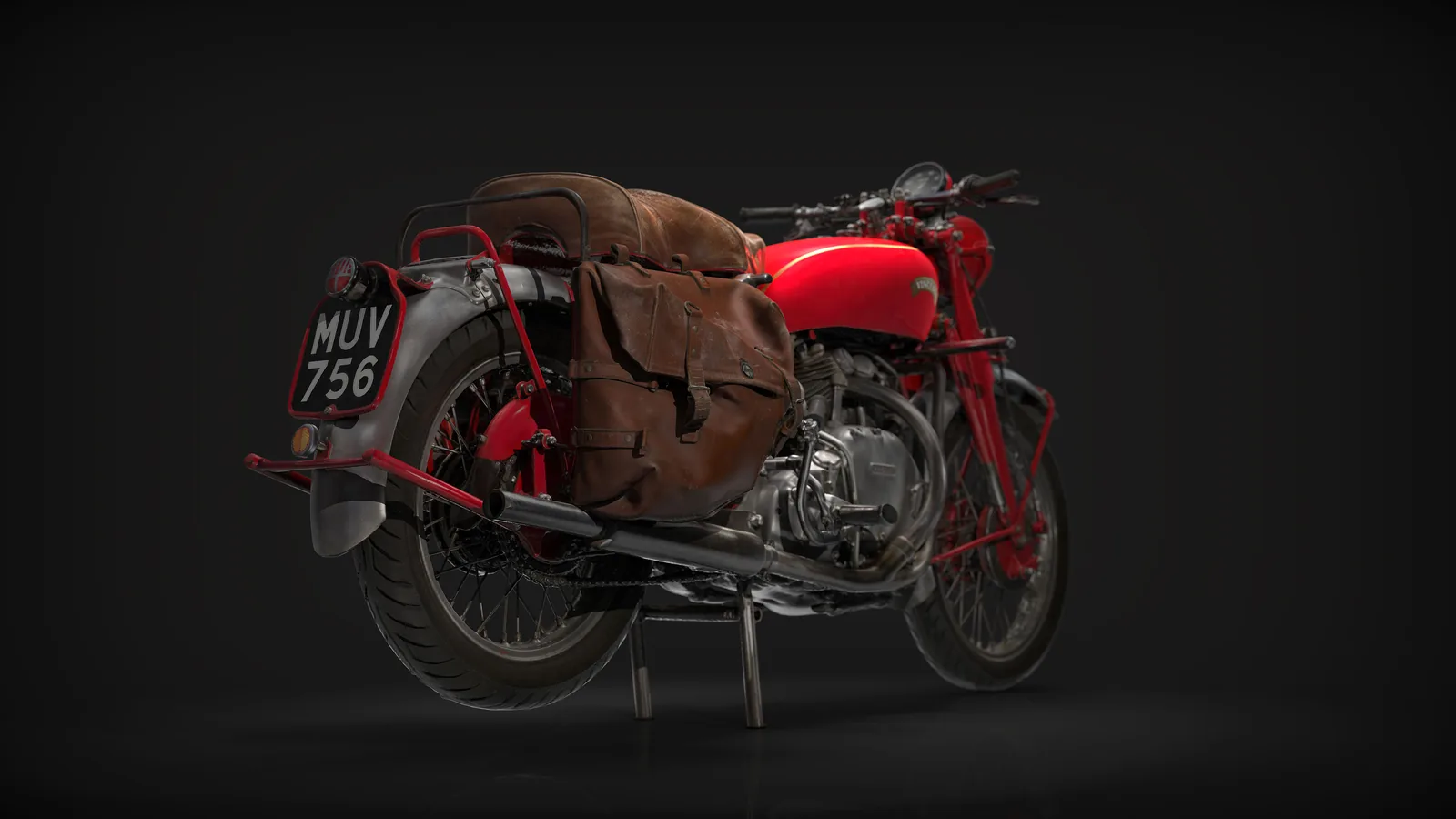
Vehicles and machinery from the portfolio
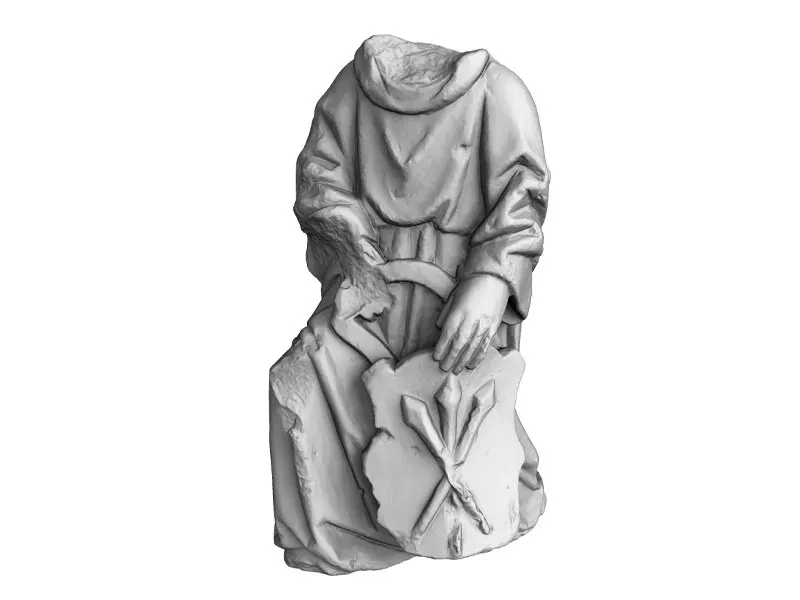
Photographed in our own lab, with the machine that did it.
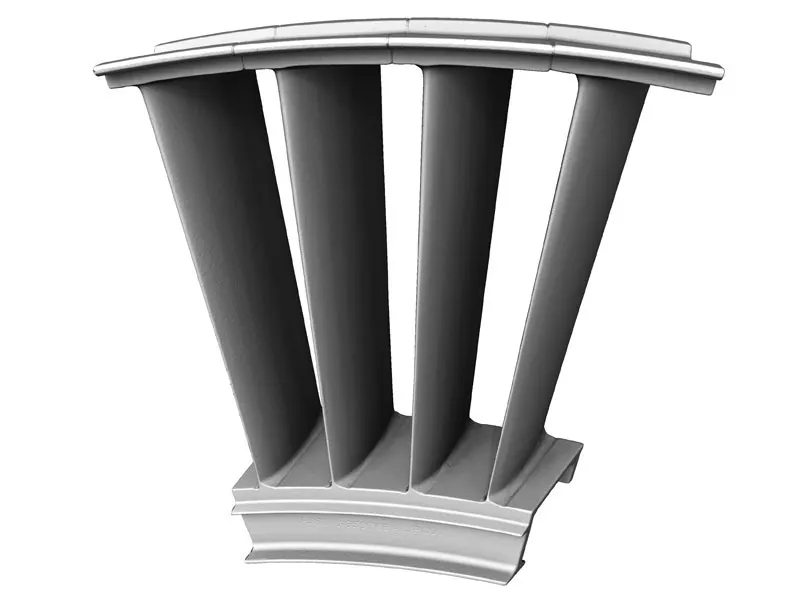
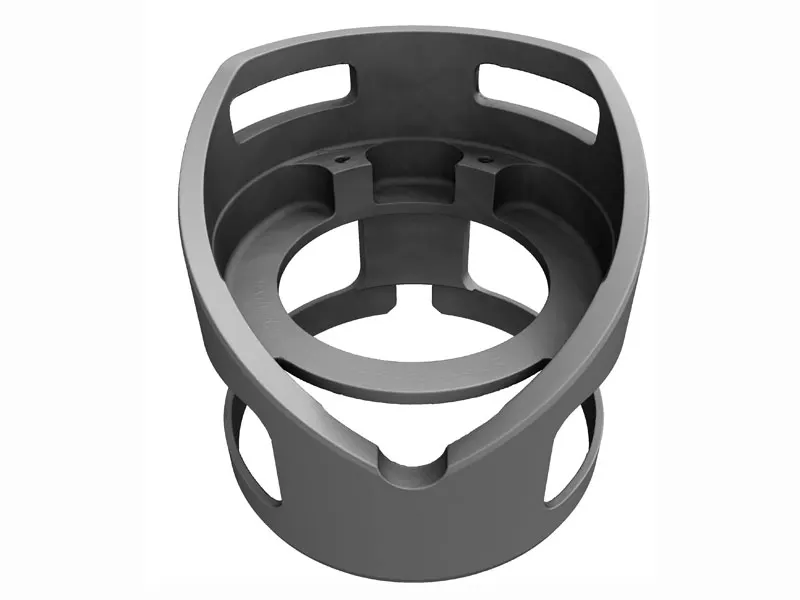
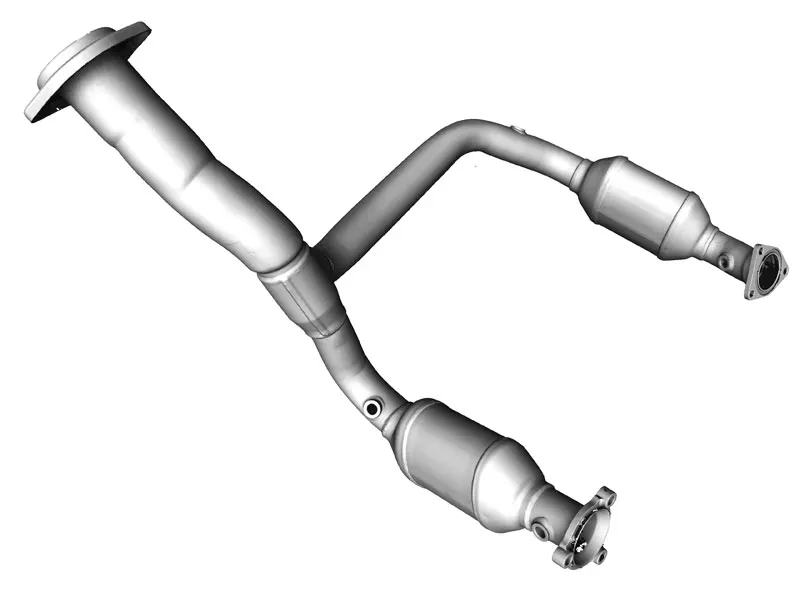
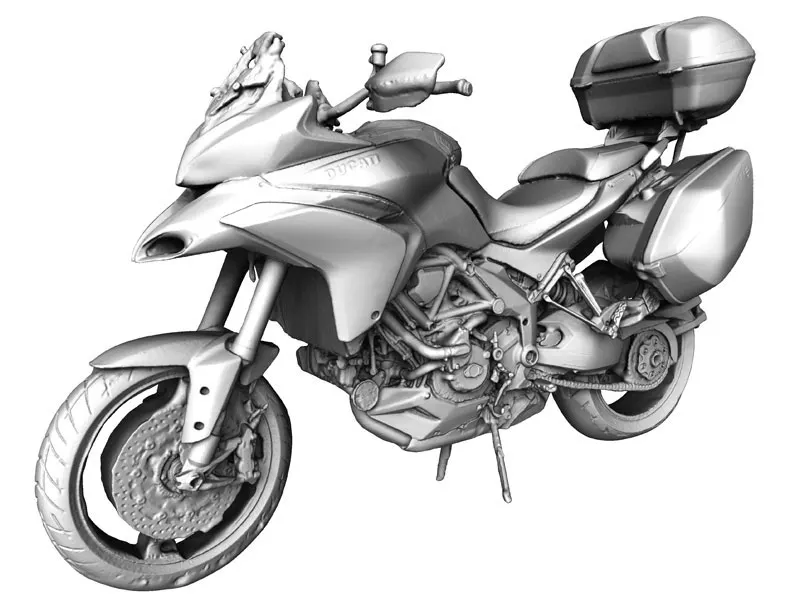
What the work usually is
 Digital twinsMeasured geometry for a digital twin, instead of assumed geometry.
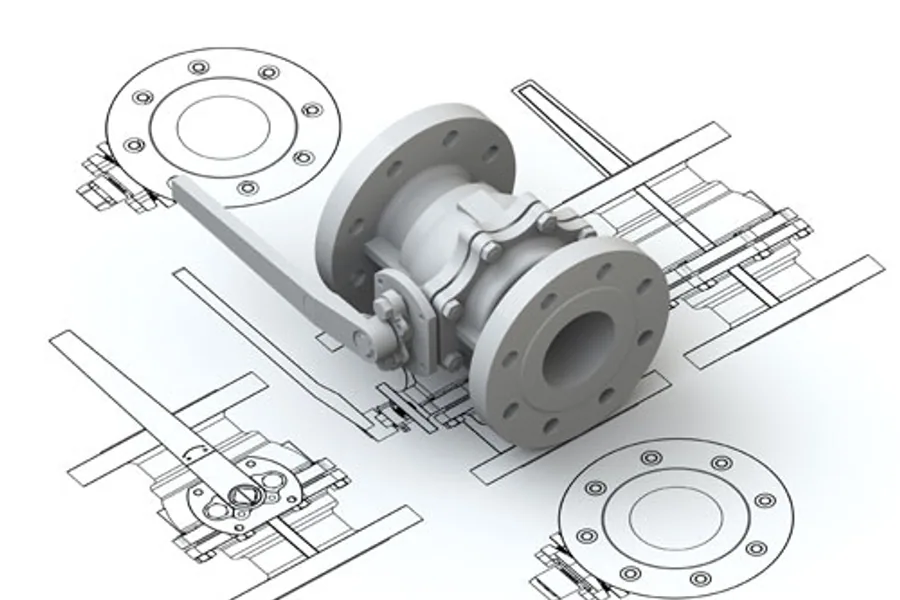 Reverse engineeringTurn a part with no drawing into CAD you can edit and manufacture.
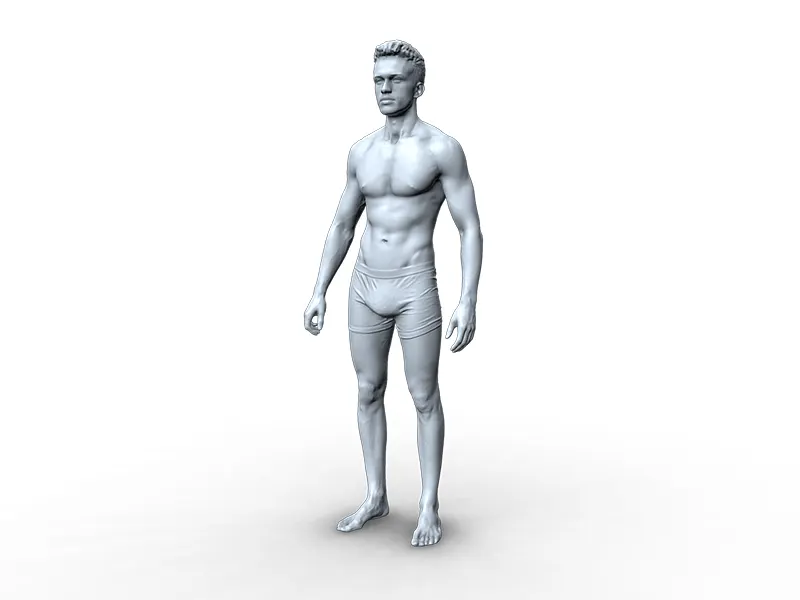 Animation & VFXPeople, props and vehicles in full colour for film, TV, games or renders.
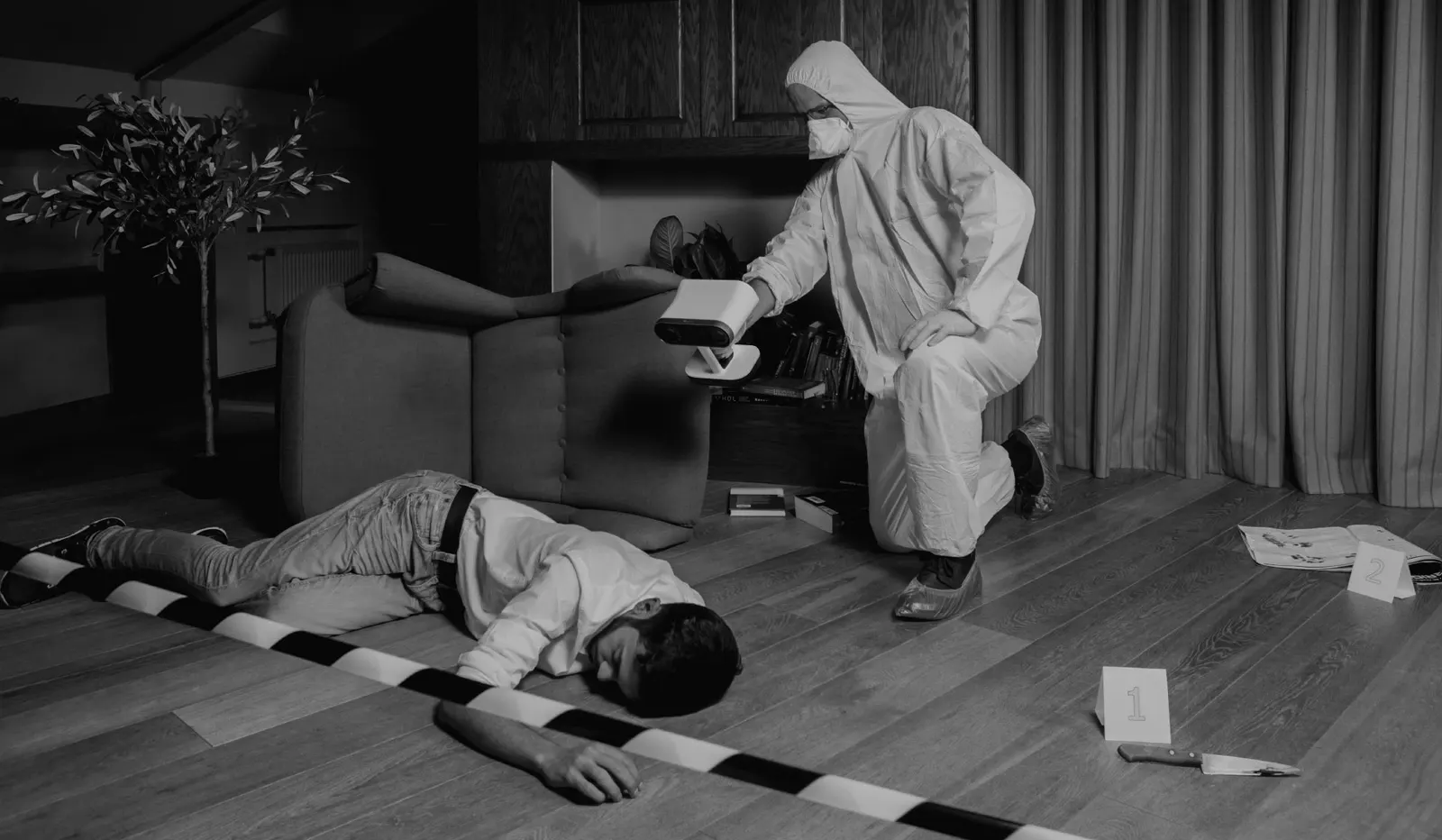 Forensics & crashCrash damage and scenes recorded in 3D, to measure after they are cleared.
Questions we get asked
Something else? Ring 0330 229 0175 and an engineer will answer it.
Not answered here?
Ask the engineers who run the machines. We answer the same working day.
Leo or Eva for a vehicle?
Both measure to 0.1 mm. The Leo is wireless, sees further (0.35 to 1.2 m against 0.4 to 1 m) and has a larger field of view, so it is quicker round a car. The Eva is cabled to a laptop and suits objects from about 10 cm to 2 m.
Can you scan the inside of a vehicle?
Yes. On the VW Baja Bug the client asked for the interior too, which means more passes and more care with obstructions, but the Leo’s compact, cable-free build is what makes it practical.
How do you scan something as big as a lorry or a helicopter?
The Artec Ray II captures the overall shape from a tripod, up to 130 m away. A handheld Leo fills in the detail. Artec Studio combines both into one model.
Can you come to our site?
Yes, anywhere in the UK. Vehicles, plant and production cells are scanned where they are, under your site rules.
Will the scan give me CAD for a new part?
Not on its own. The scan is the measurement; reverse engineering in Design X turns it into a parametric model you can edit and manufacture from. Taylor Attachments model theirs in SOLIDWORKS straight from the Artec Studio scan.
Can we hire a scanner for our own vehicle project?
Yes. The Artec Leo and Eva are both available to hire, so you can try the work yourself before deciding whether to buy.
Tell us what it is and what you need back
A photo, a rough size and whether you want a twin, a part or a check. We will quote a fixed price for scanning it here or at yours, or set you up with a hire scanner.