.svg)
IndustriesMedical & healthcare
3D scanning for medical and healthcare
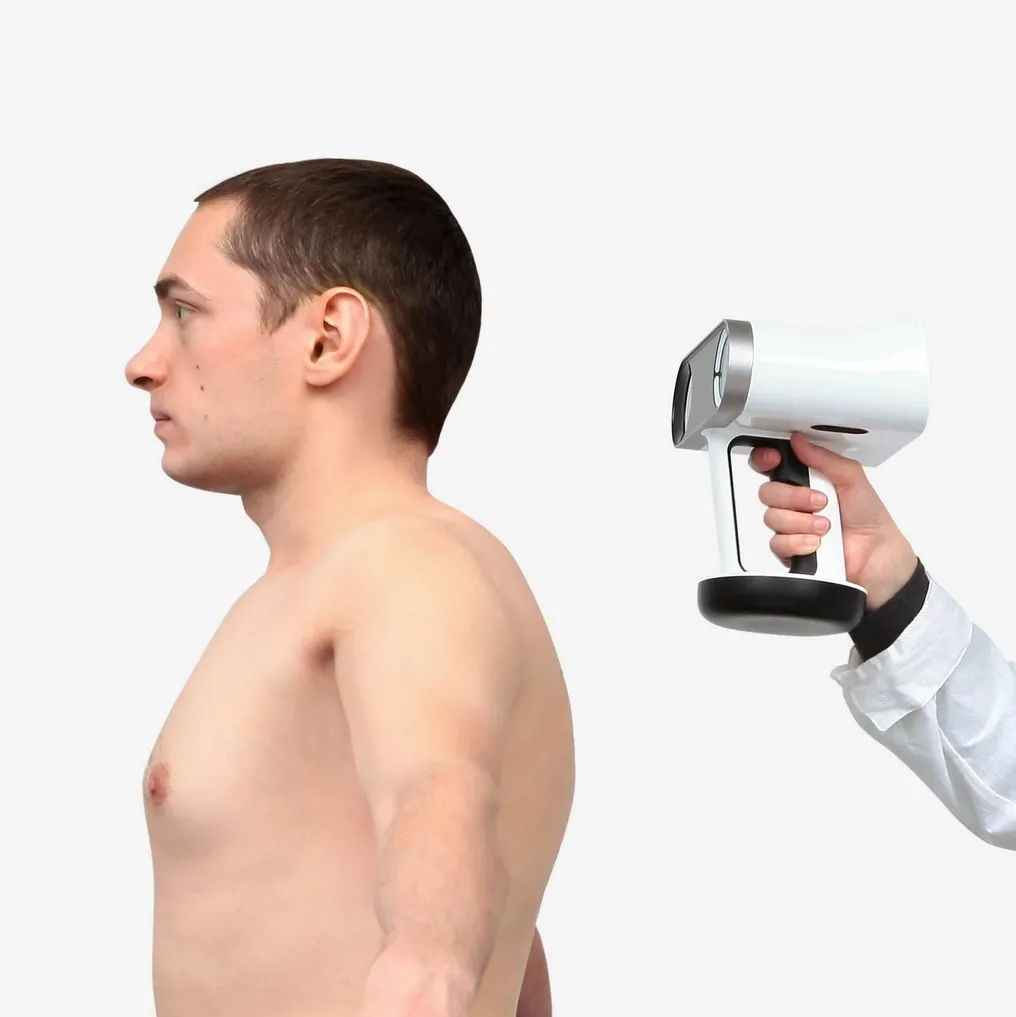
Non-contact Artec scanners that capture a patient in minutes, from a child’s ear to a whole body, for prosthetics, orthotics, surgical planning, dentistry and research. Sold, installed, taught and supported in the UK by an Artec Gold Certified partner and Ambassador.
- Prosthetic and orthotic services
- Plastic, craniofacial and maxillofacial surgery
- Dental and implant clinics
- Hospitals and NHS trusts
- Medical device developers
- Medical schools and research groups
- 0.05 mm
- Artec Spider II point accuracy, for ears, faces and hands
- < 60 sec
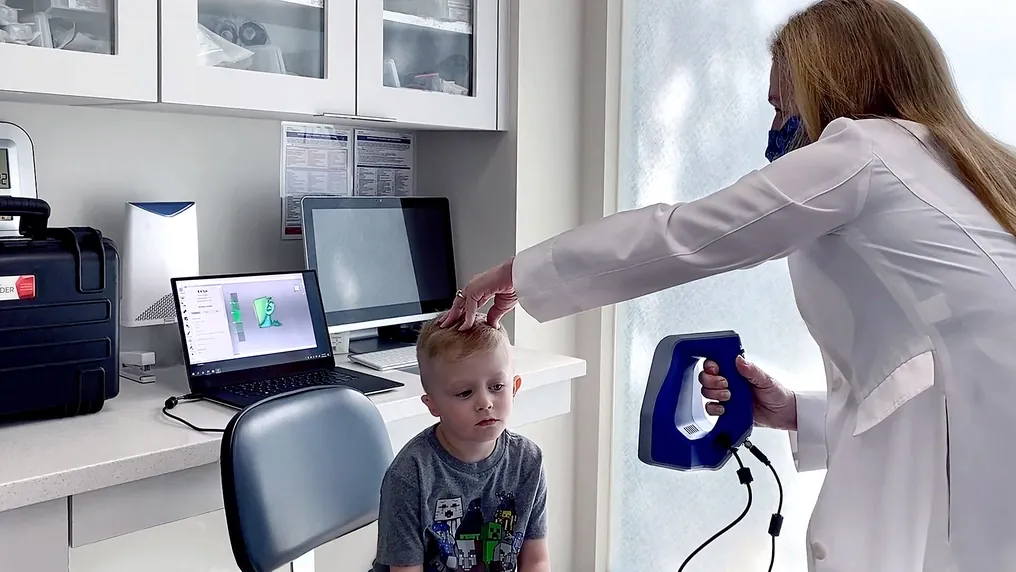
- to scan a child’s ear for a microtia implant, as Artec report
- < 2 hours
- for clinical staff to learn to scan, as Artec quote
Why clinicians scan
Every patient is a different shape
- 01
Nothing should touch the patient
The scanners project light and never touch the skin, so a residual limb, a burn or a newborn’s head is captured without contact.
- 02
Patients move
Children, and anyone who struggles to stay still for long, need a scan that is over quickly. Artec Studio compensates for slight movement while scanning.
- 03
Tape measures miss the form
Shape, volume and symmetry decide whether an implant or prosthesis fits. A scan records all three, not a handful of measurements.
- 04
Staff are short of time
Artec quote less than two hours before a professional is ready to scan, and Artec Studio’s Autopilot does the processing.
- 05
Change is hard to see
Swelling, scars and body shape change slowly. Repeat scans compared in 3D show the slightest difference.
Where it is used
From the clinic to the operating theatre
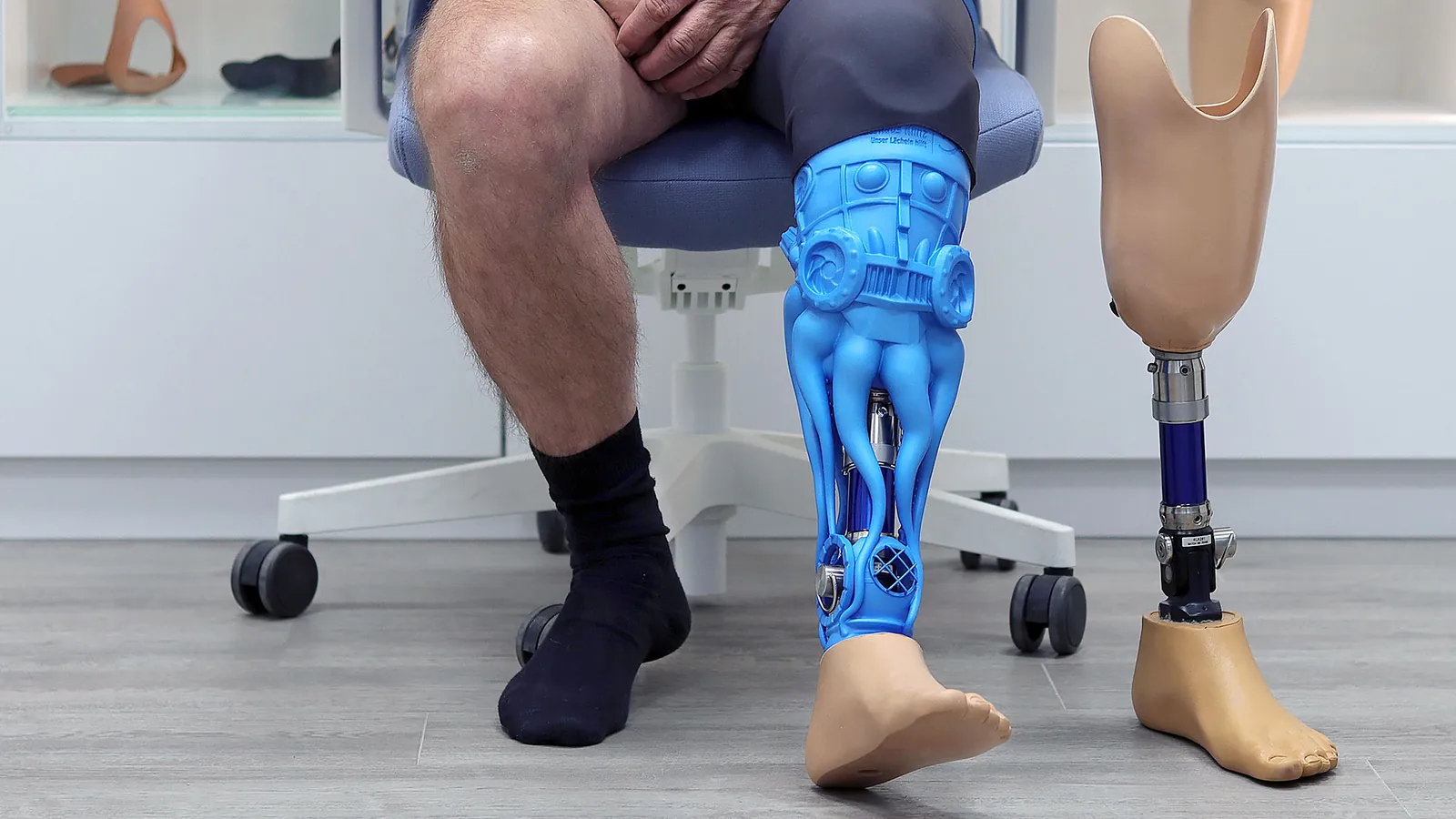
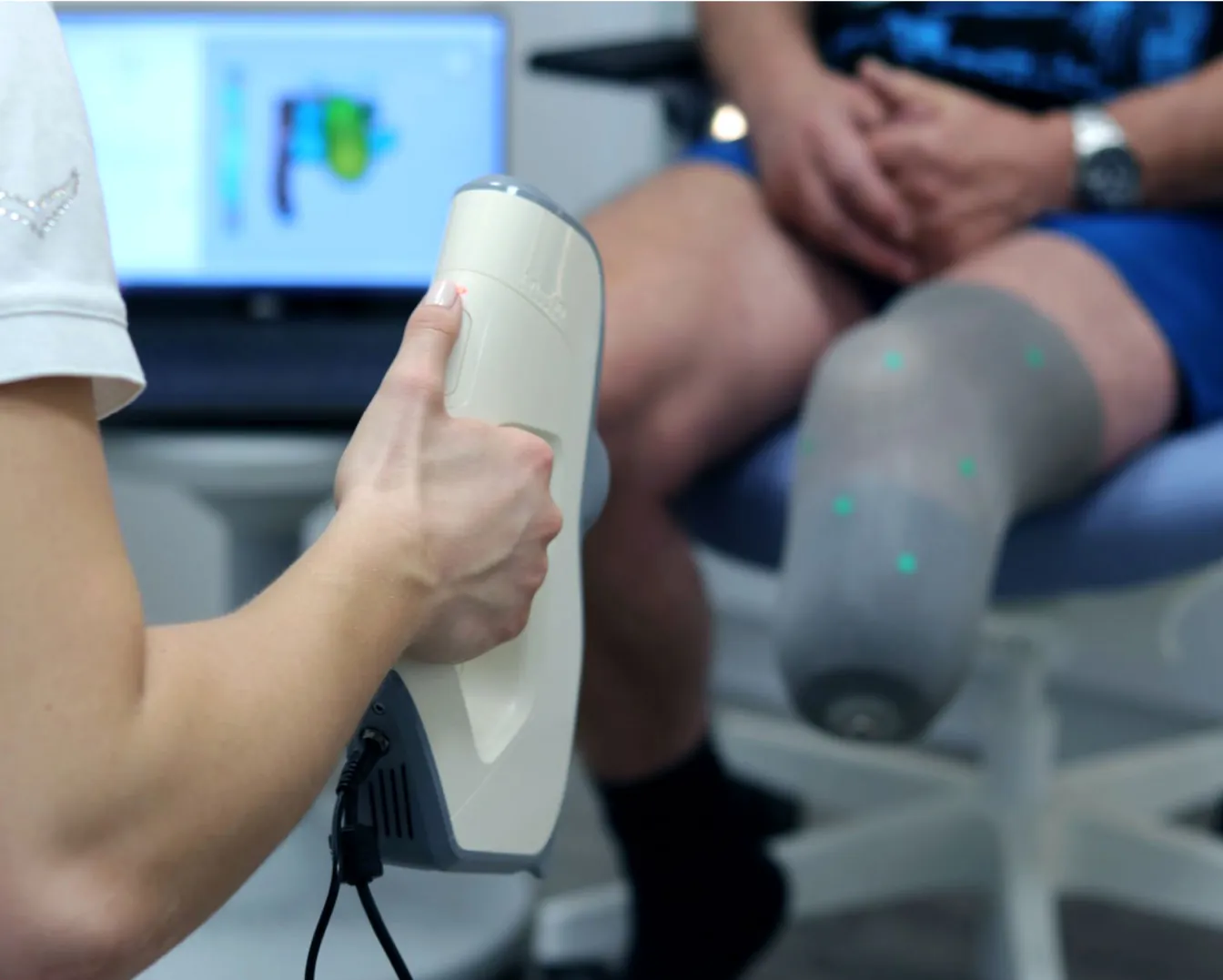 Prosthetics and orthoticsA residual limb, foot or torso digitised for a socket, AFO or brace that fits first time. The scan stays on file for the next device.
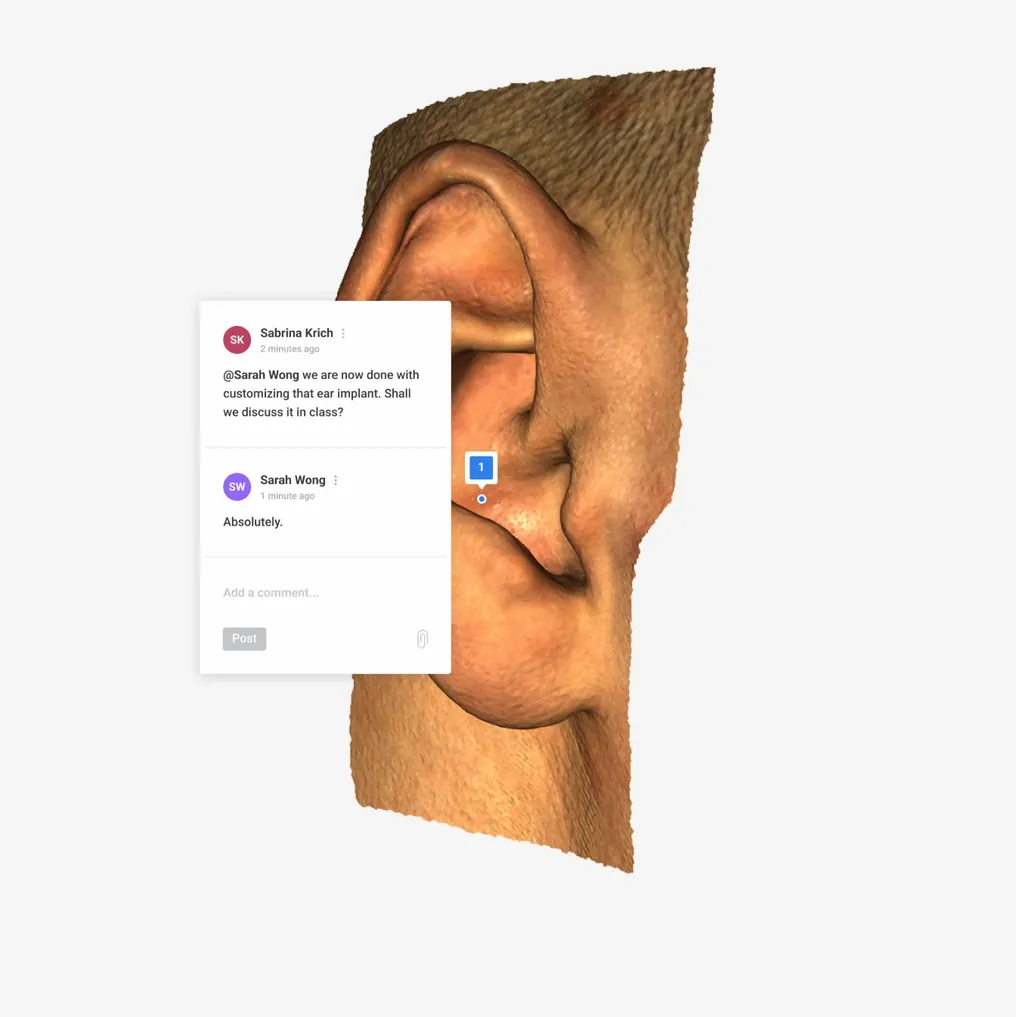 Plastic and craniofacial surgeryAccurate 3D models for planning and post-operative review. A surgeon in California scans a child’s normal ear with a Space Spider in under a minute to make the implant for the other.
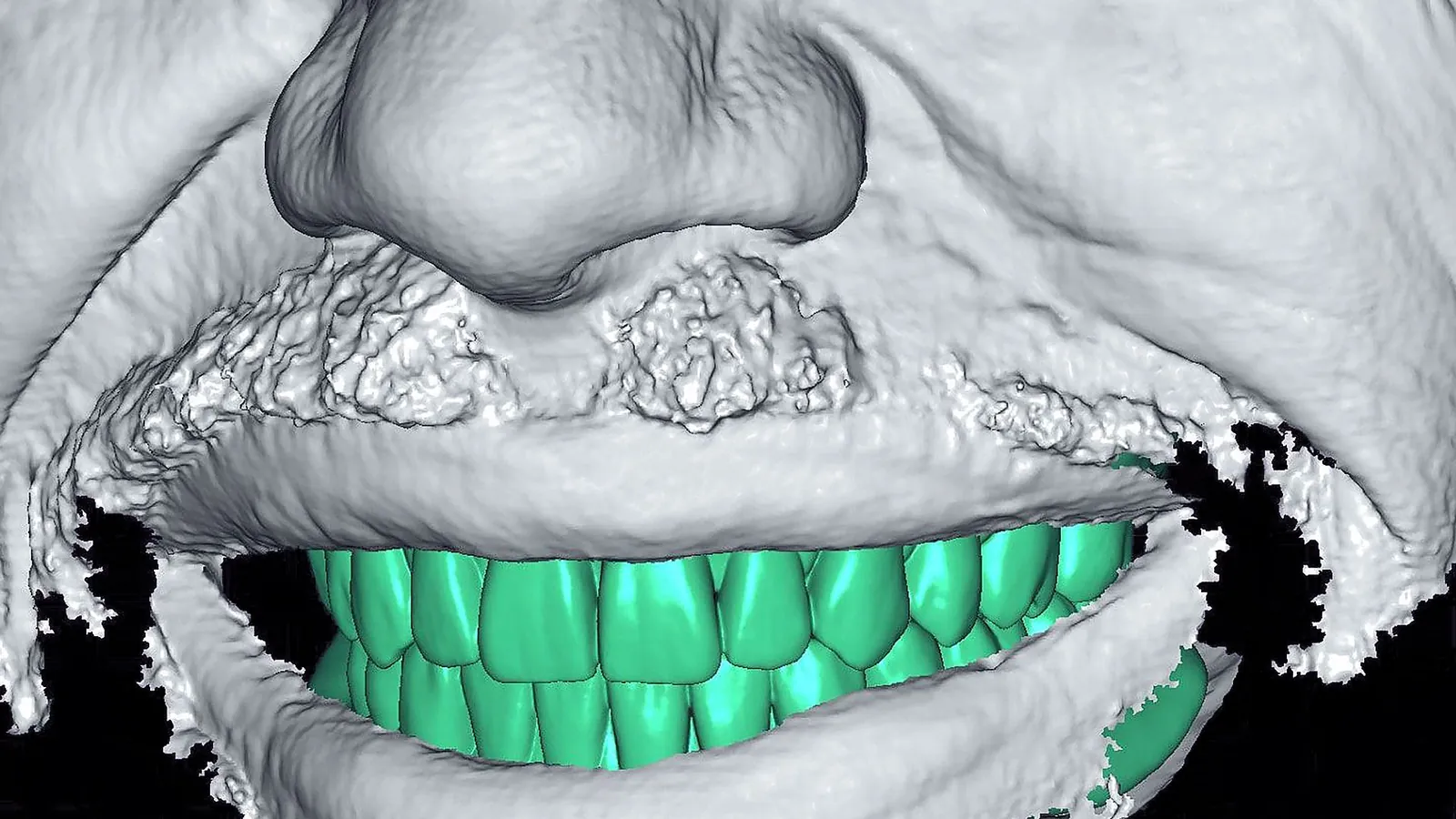
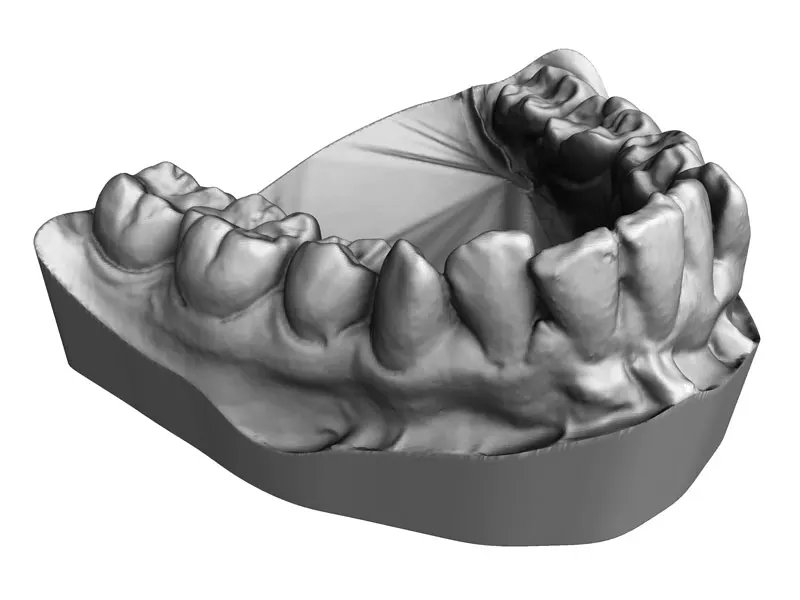
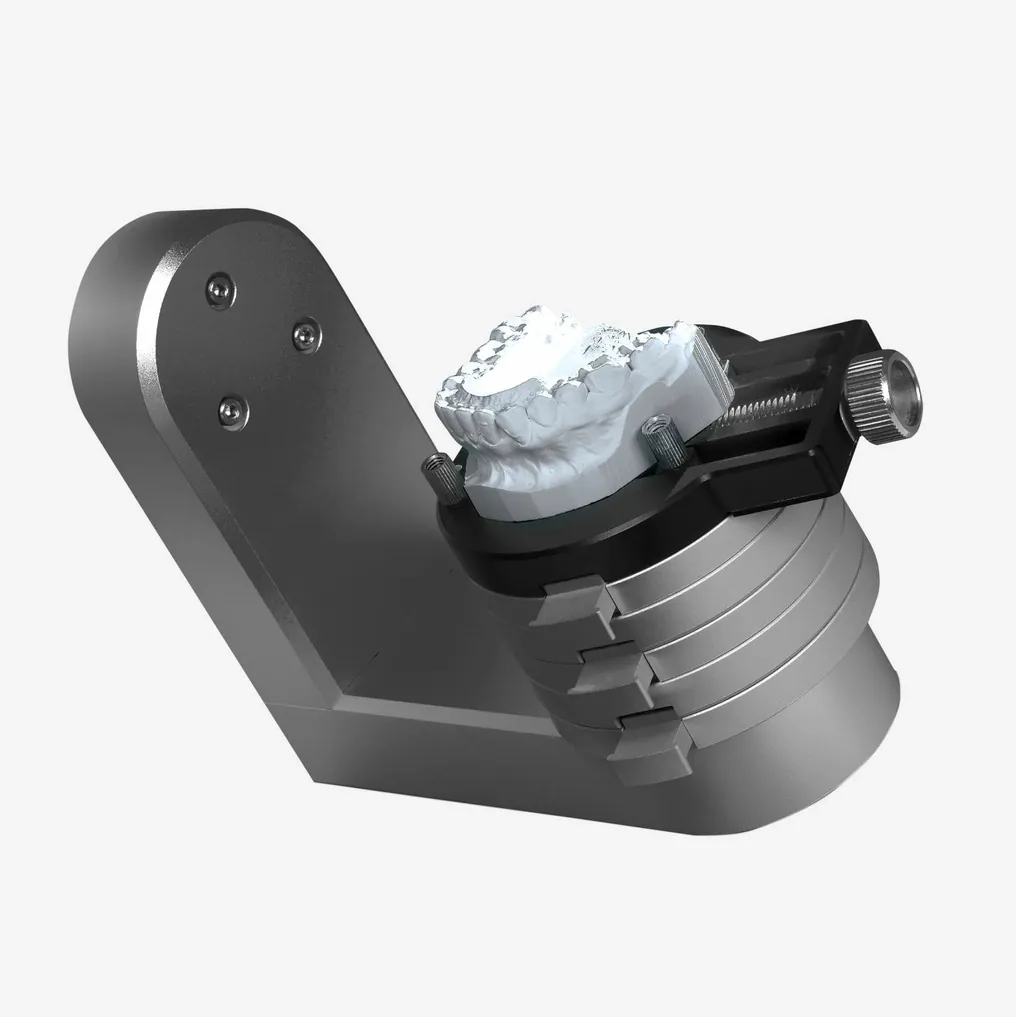 Dental and maxillofacialTeeth, casts and small implants on the Micro II desktop scanner in one click, ready for CAD/CAM or 3D printing.Read more
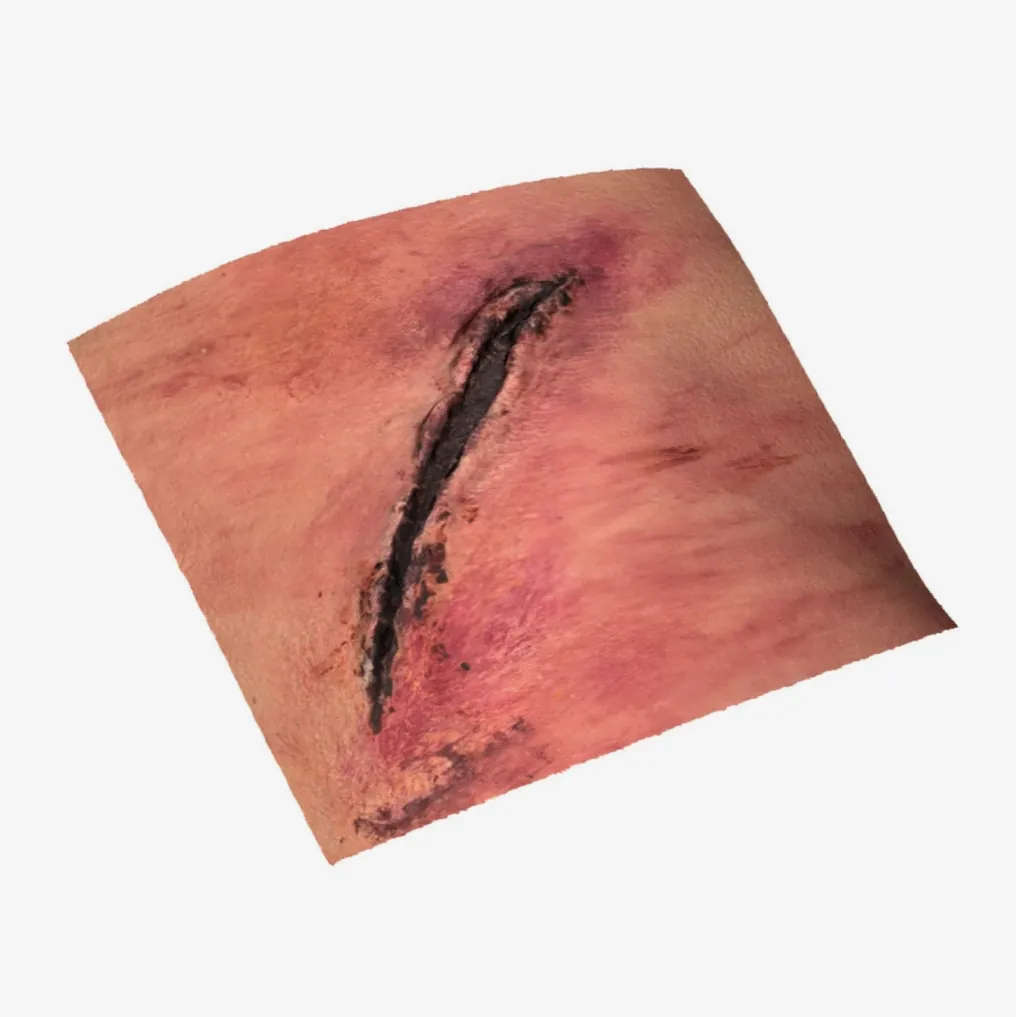 Wounds, burns and scarsFull-colour scans that track healing over time, from pressure therapy for burns to post-operative scars.
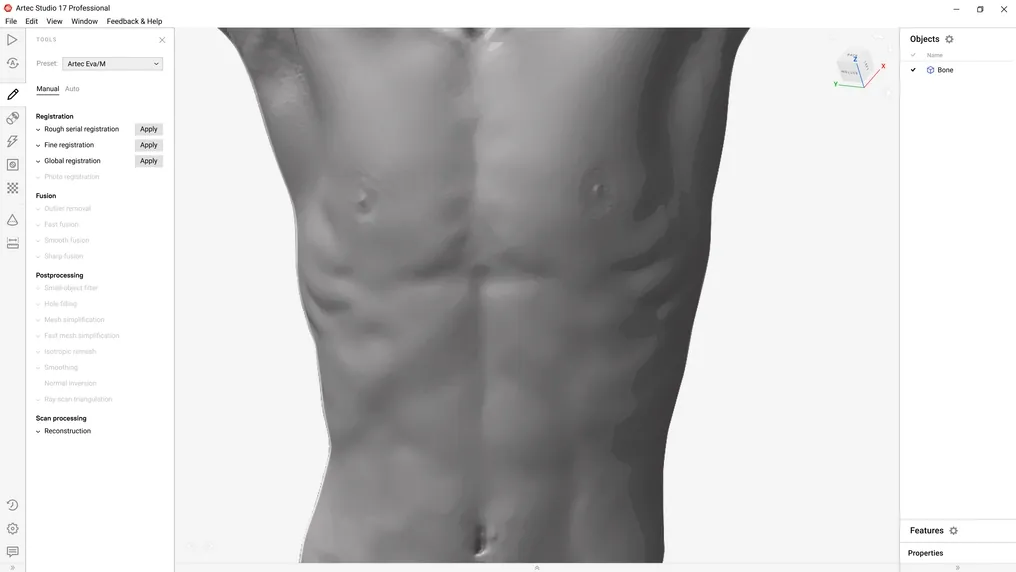 Body measurement and anthropometryWhole-body scans with no contact, for bariatric and sports treatment or for garments made to measure.Read more
 Teaching and researchAnatomy models students can turn and zoom, and scans a team can view and comment on from anywhere in Artec Cloud.Read more
Which scanner for which patient
Matched to the size of what you scan
Most clinics start with one handheld scanner. The choice comes down to the size of the anatomy and how much detail it needs.
| Artec Leo | Artec Eva | Artec Spider II | Artec Micro II | |
|---|---|---|---|---|
| Best for | The whole body, head to toe | Torso, legs, arms and hands | Ears, noses, faces and fingers | Teeth, casts, small bones and implants |
| How it works | Handheld, wireless, with its own screen | Handheld, cabled to a laptop | Handheld, cabled to a laptop | Desktop, one click |
| Point accuracy | Up to 0.1 mm | Up to 0.1 mm | Up to 0.05 mm | 5 µm |
| Colour | Yes | Yes | Yes | Yes |
| Why clinics choose it | No cables to trail round a patient | The original body scanner, and the lowest price of the four | Fine detail for surgery and implants | Scans at the desk in the clinic or lab |
Figures are Artec 3D published specifications as given on our product pages.
Recommended products
Leo for whole bodies and quick scans of children, Eva for limbs and torsos on a budget, Spider II for faces and ears, Micro II for dental work.
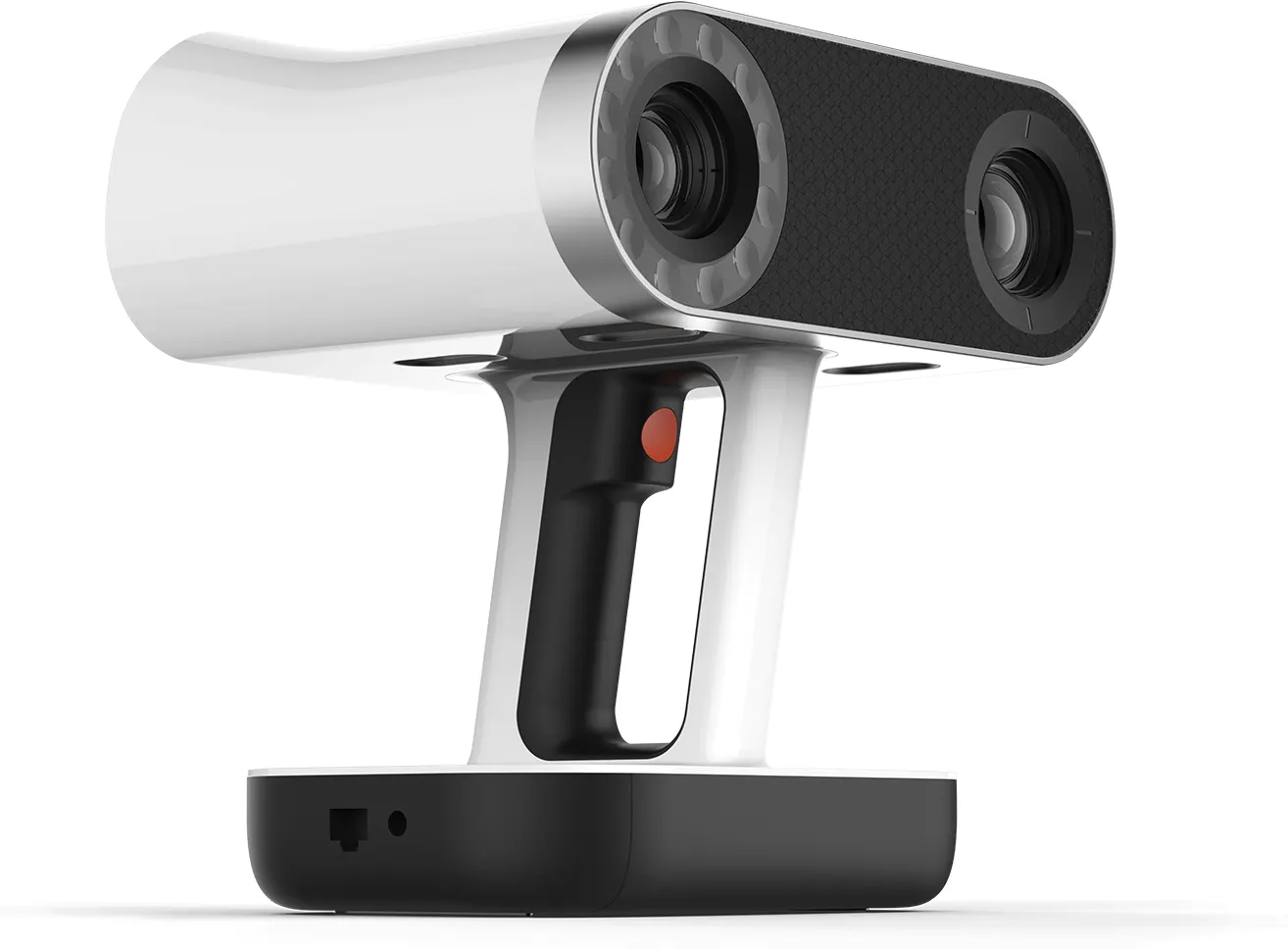
£29,650ex VAT
Find out more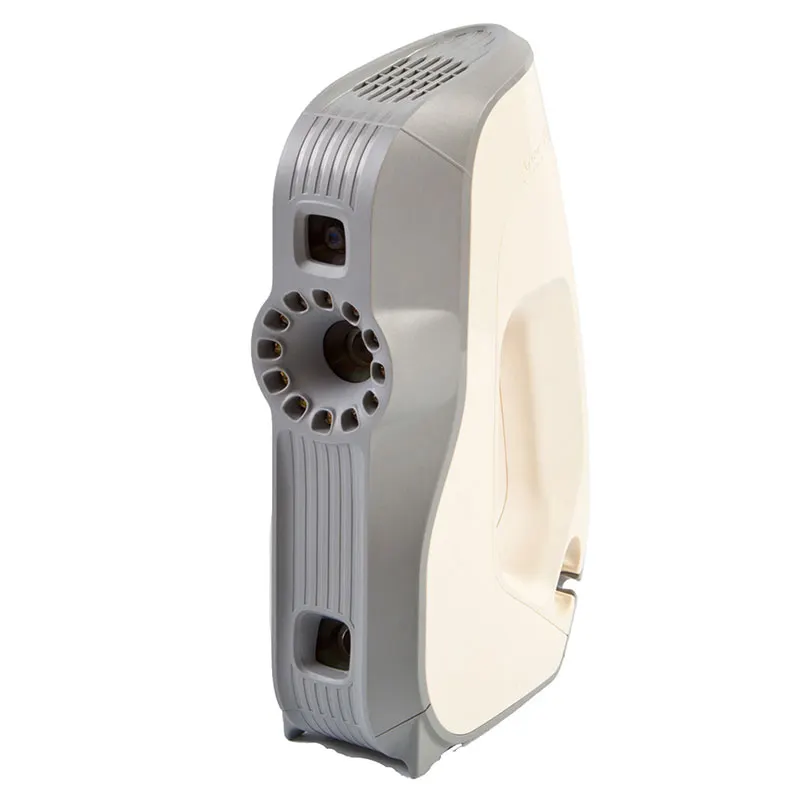
£8,500ex VAT
Find out more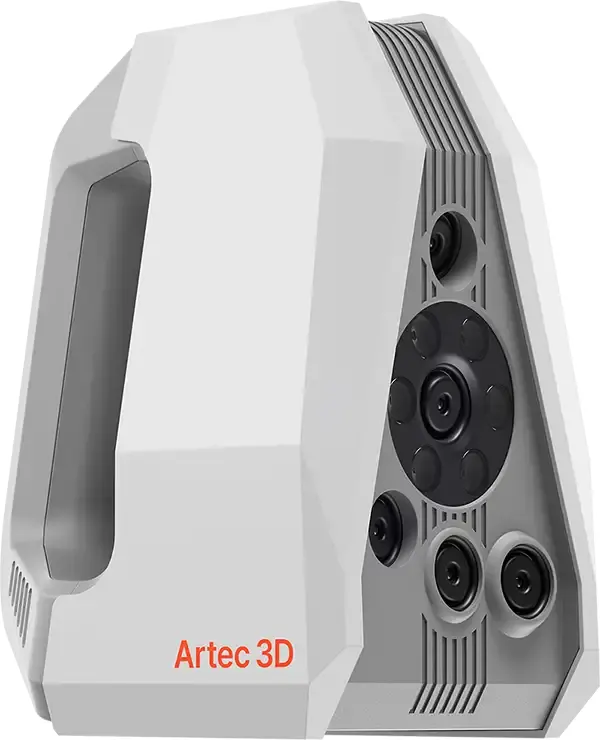
£23,000ex VAT
Find out more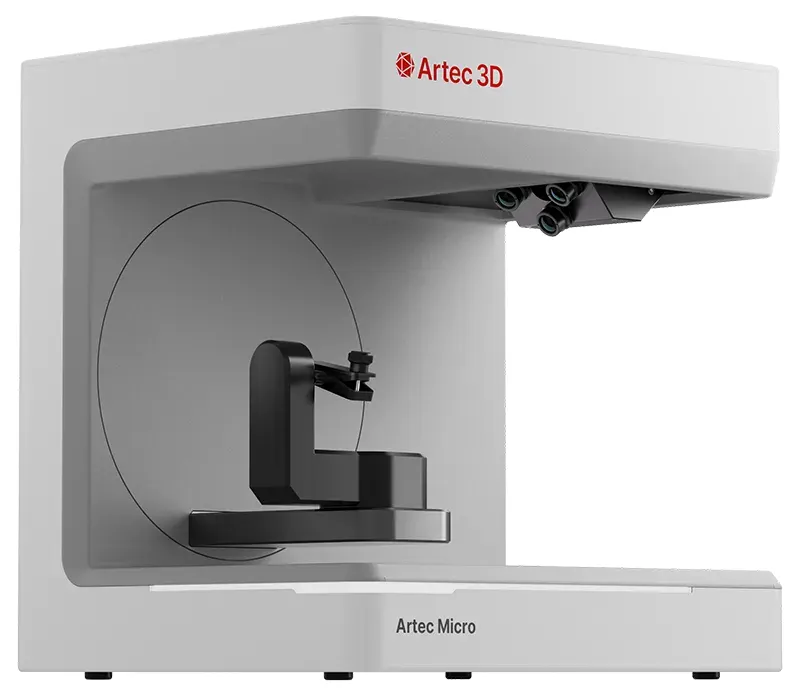
£16,925ex VAT
Find out moreSoftware
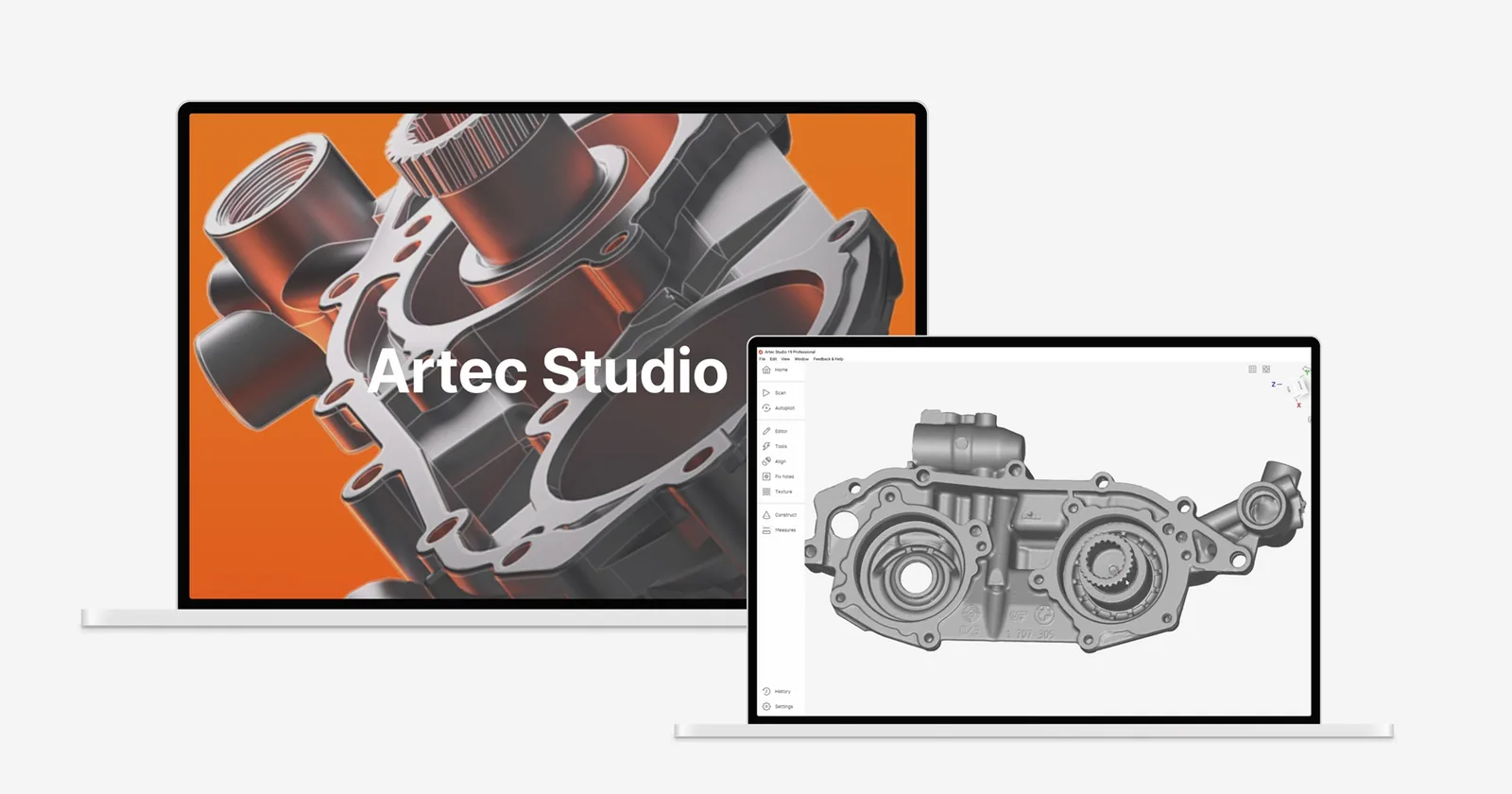
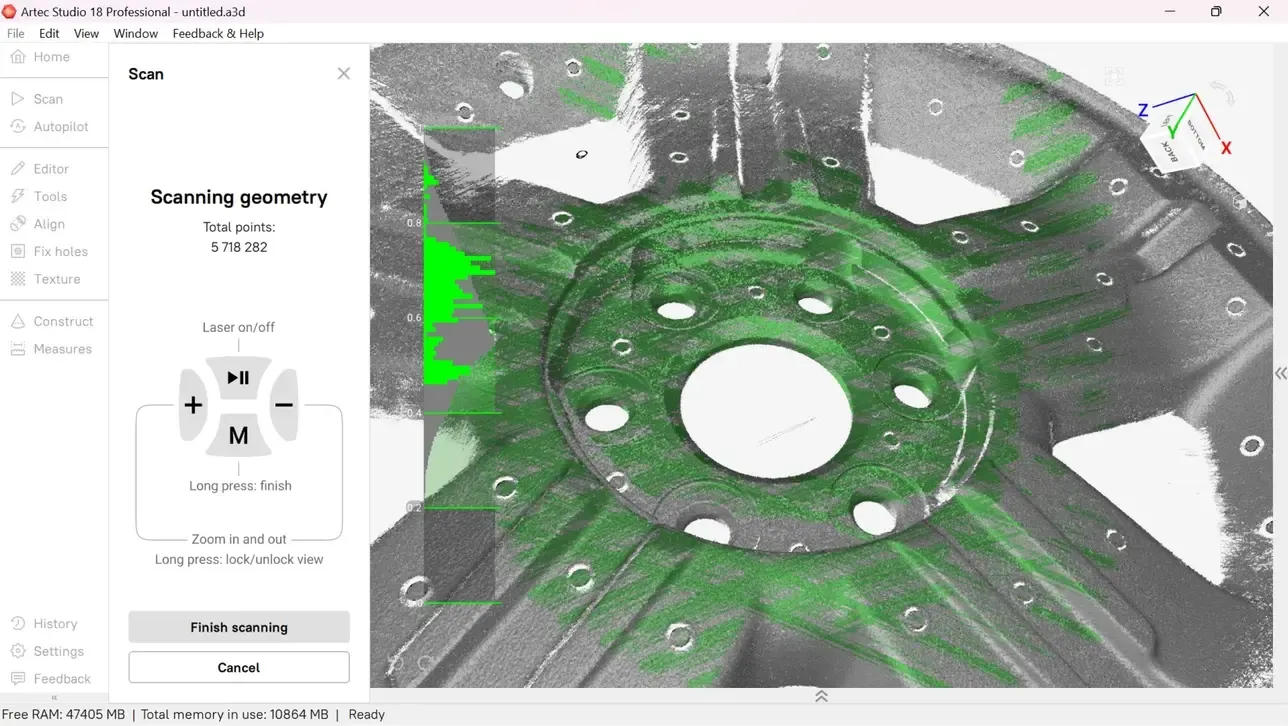
Artec Studio turns the scan into a clean, full-colour model, with Autopilot for staff who are not 3D specialists. Geomagic Wrap repairs and prepares meshes for printing or design.
- Artec Studio ProAll-in-one 3D scanning and photogrammetry software: capture, process, model, reverse engineer and inspect, then export to CAD.
£1,050from, ex VAT
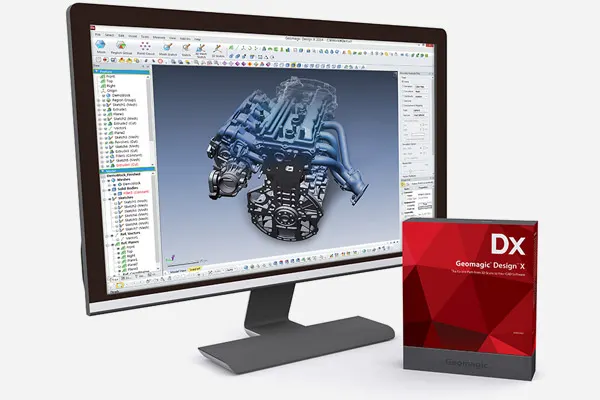
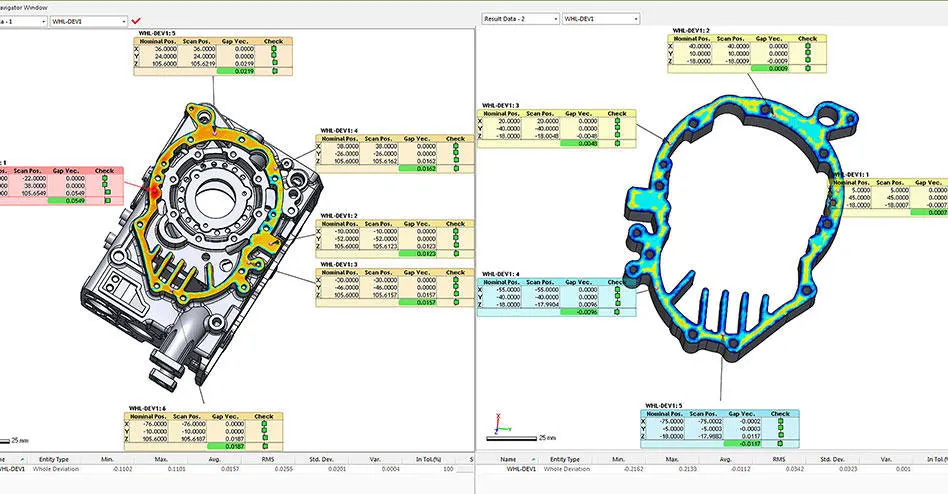
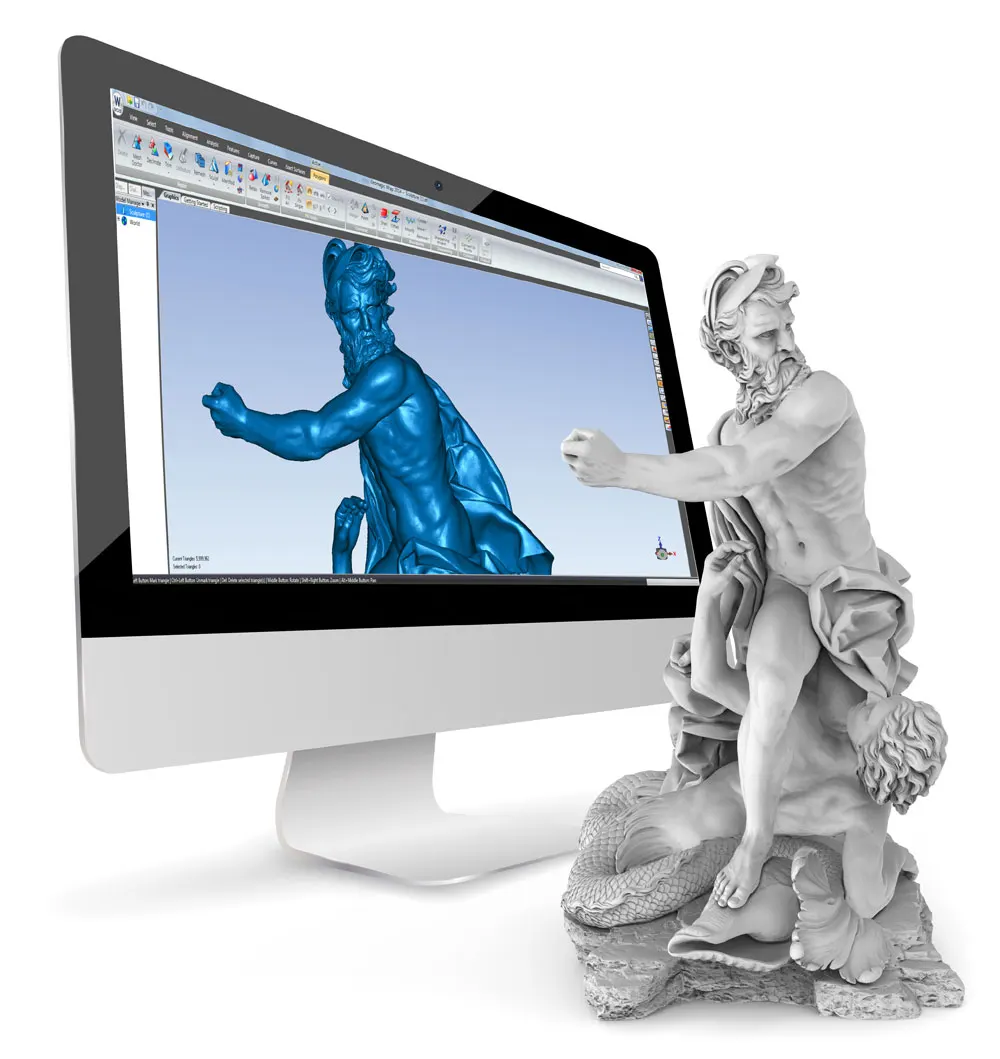
- Geomagic WrapTurns point clouds and meshes into usable surfaced geometry — the fastest route from scan to a watertight model.
£2,332from, ex VAT
Scans we have made
Jobs we did ourselves, written up with the people we did them for.
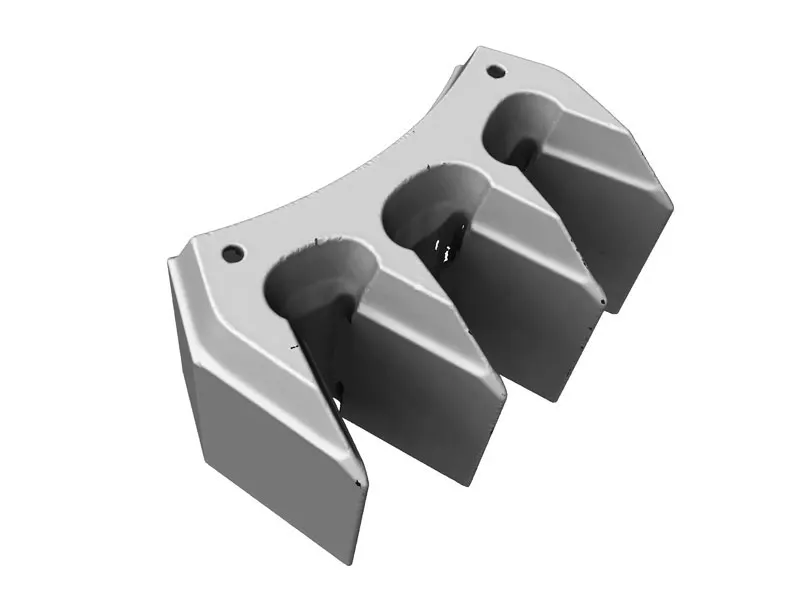
Medical and dental work we have scanned
Photographed in our own lab, with the machine that did it.
Questions we get asked
Something else? Ring 0330 229 0175 and an engineer will answer it.
Not answered here?
Ask the engineers who run the machines. We answer the same working day.
Does scanning touch the patient?
No. Artec scanners are non-contact. They project light onto the skin and nothing touches the patient.
What if the patient moves?
Artec Studio compensates for slight movement while scanning. For children, or anyone who cannot stay still for long, the Artec Leo is the quickest to capture.
How long does it take staff to learn?
Artec say less than two hours before a professional is ready to scan. We demonstrate, train and support in the UK, and an Artec Studio course can be added to any scanner.
Which scanner should a prosthetics or orthotics service buy?
The Leo if you scan whole limbs and bodies and want no cables. The Eva if budget matters most. Add the Spider II if you also make facial or ear prostheses.
Can we try a scanner on our own patients first?
Yes. Book a demonstration, or hire a Leo, Eva or Spider before you buy.
Can you print the device as well?
Yes. 3D Printworx, in the same building, prints orthotics and other devices in PA11 nylon from the design.
See it scan one of your patients
Tell us what you scan and what the scan is for. We will bring the right scanner to your clinic, or show you it in Whitchurch, before anyone talks money.