.svg)
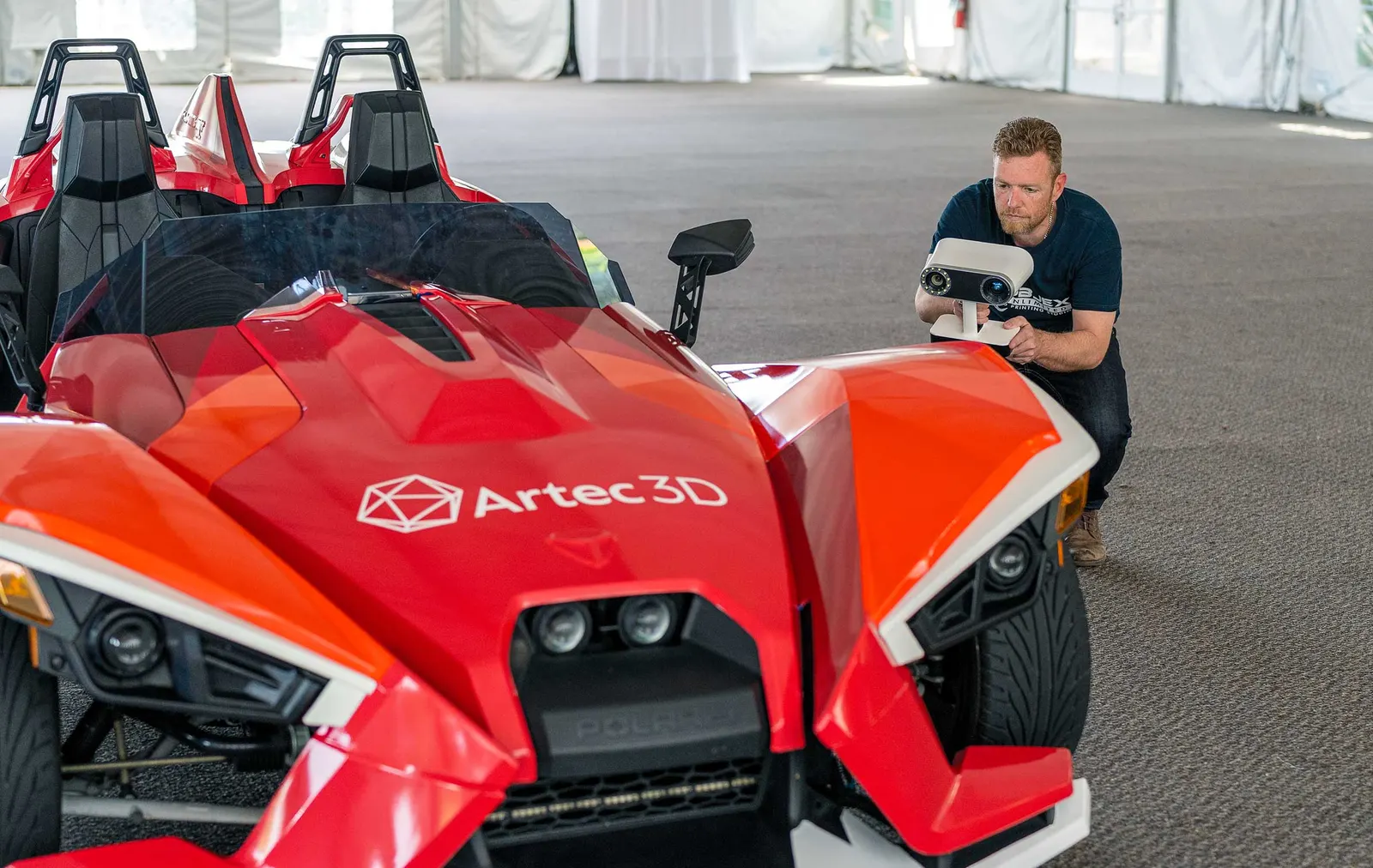
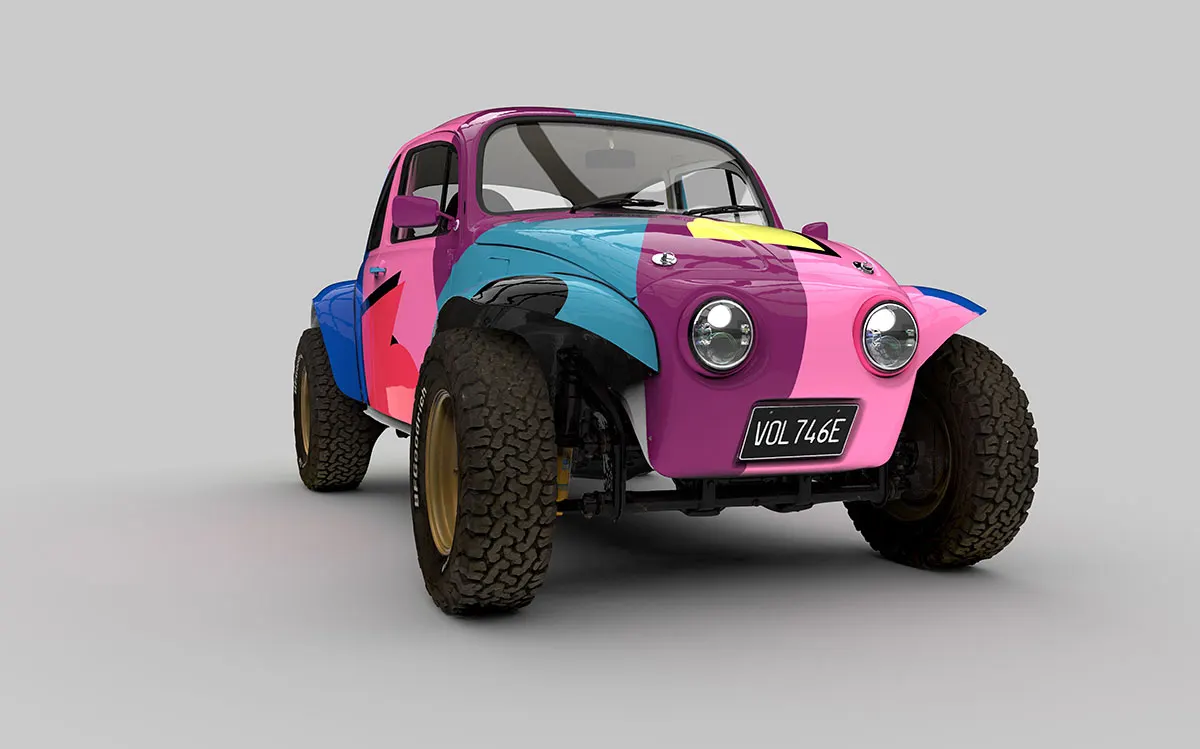
Vehicle wraps have traditionally been templated by hand, from tape measures, manufacturer drawings or paper templates. On a unique or modified vehicle that brings errors, longer fitting times and wasted vinyl.
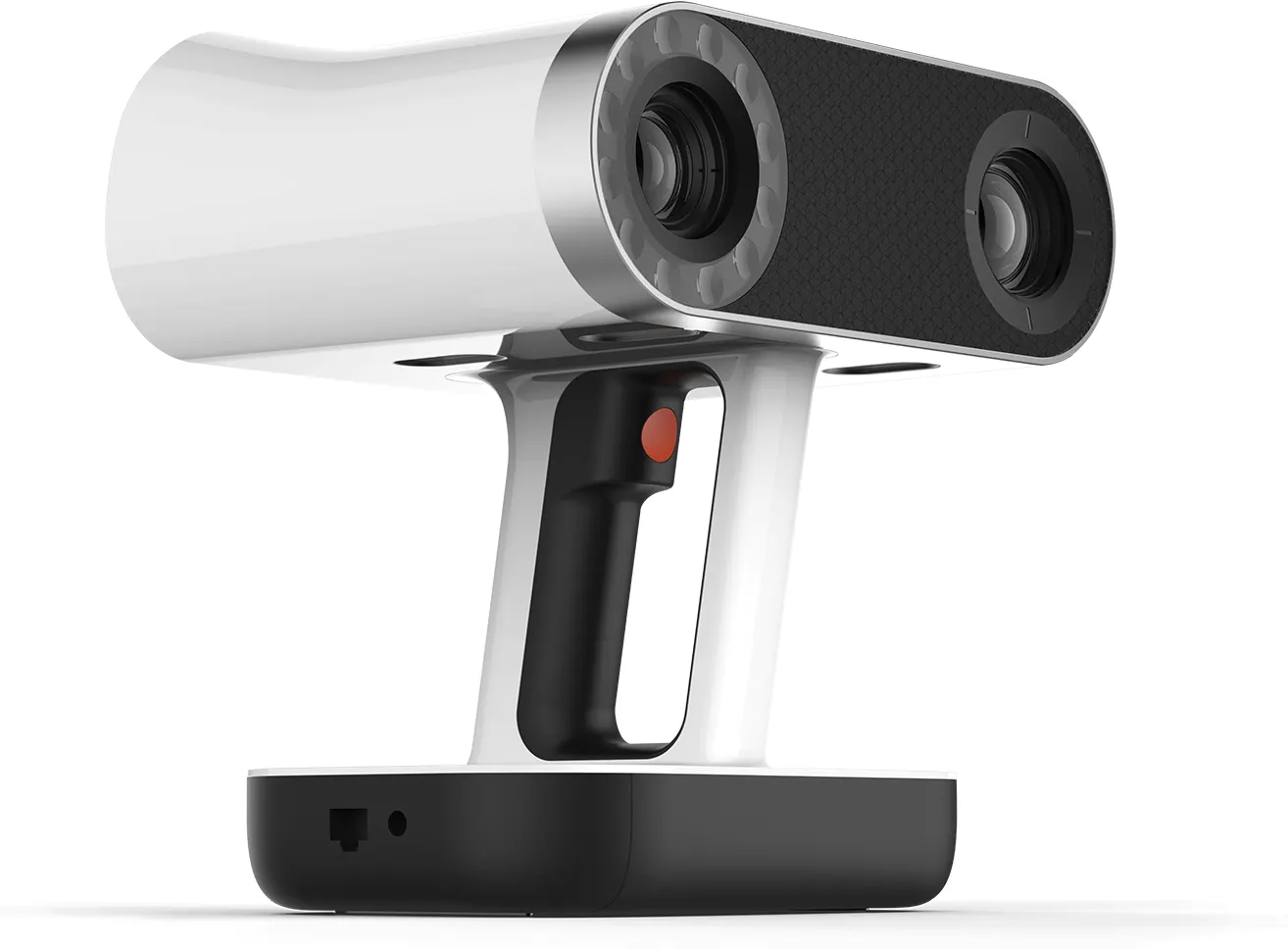
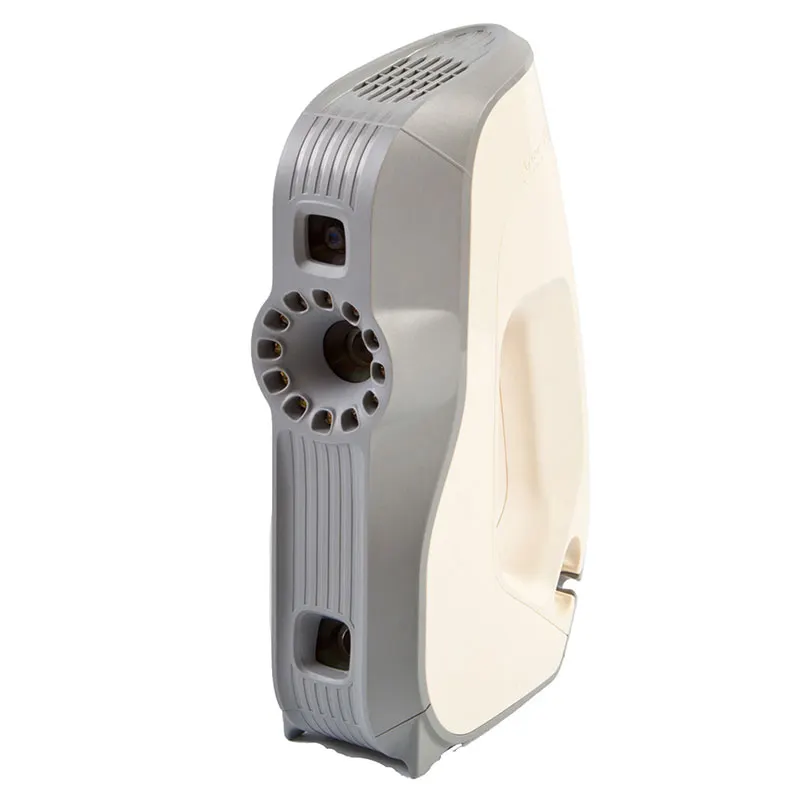
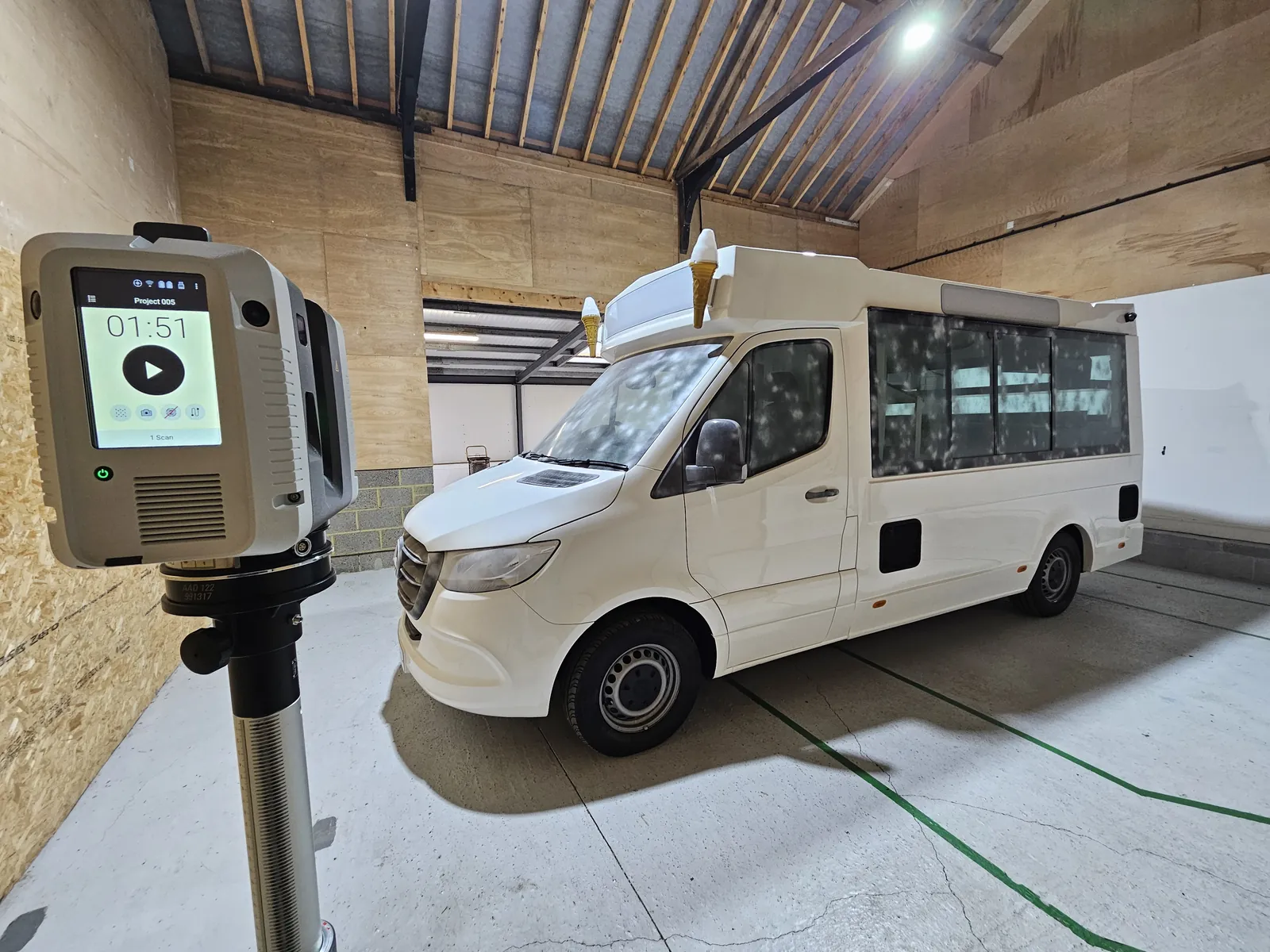
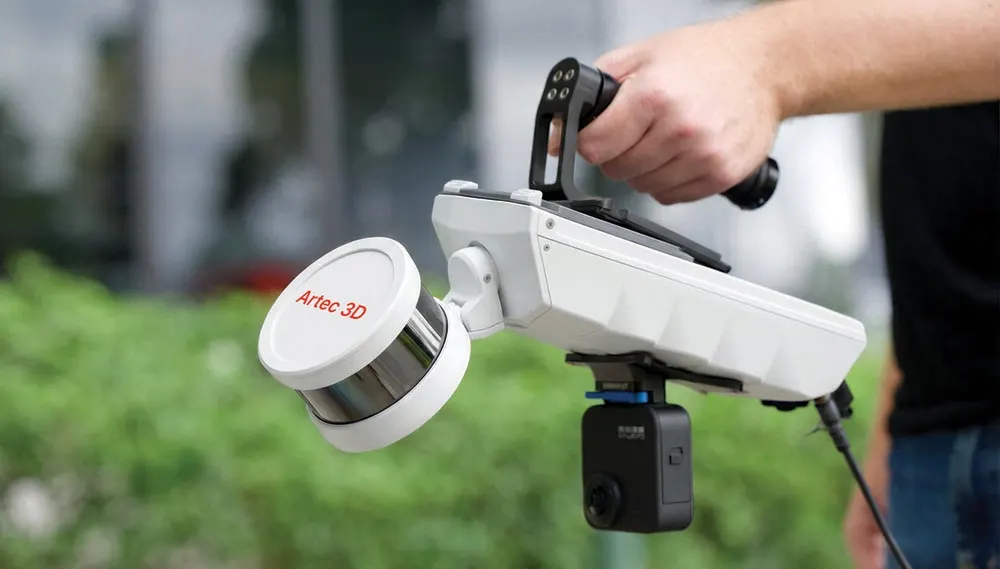
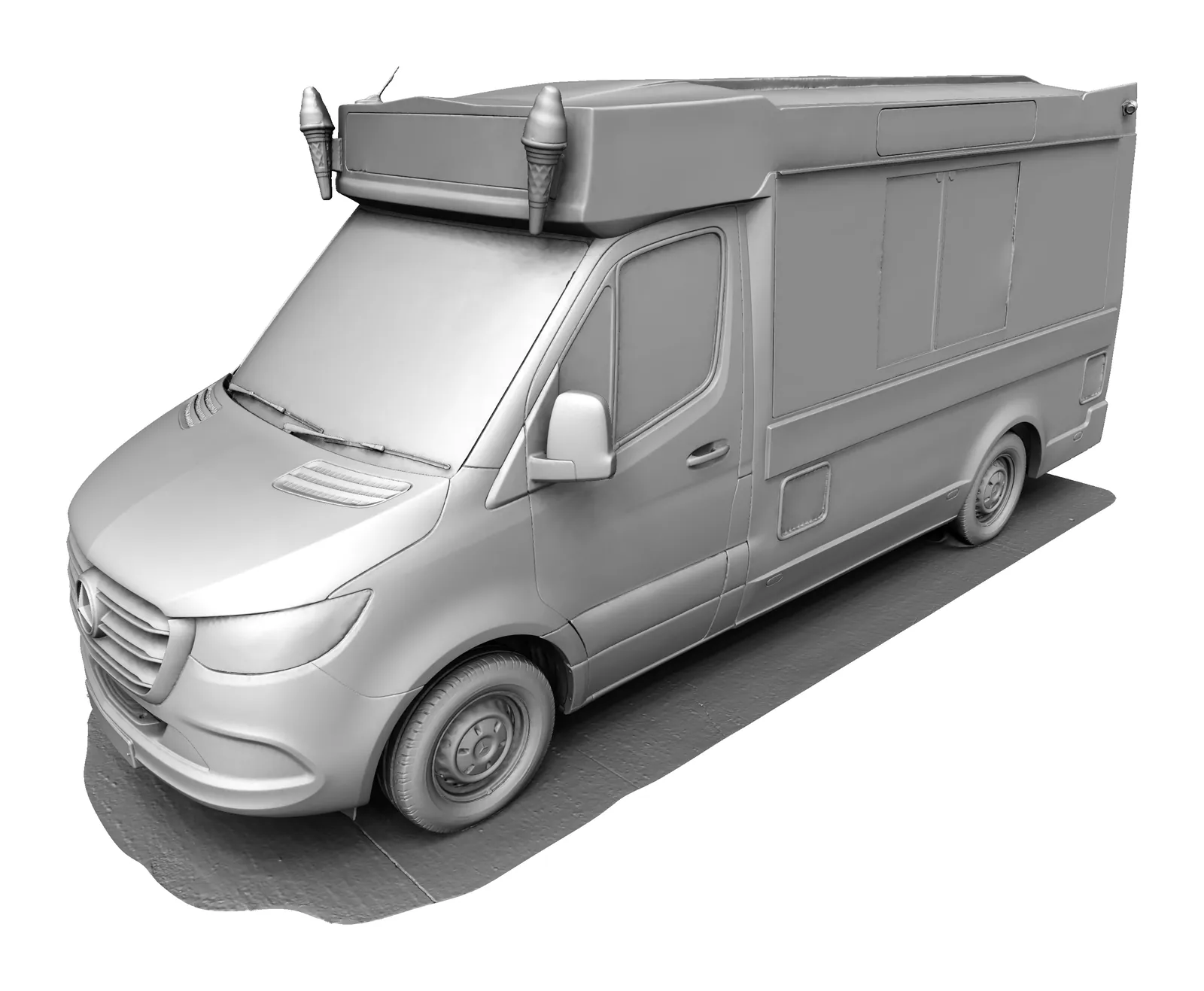
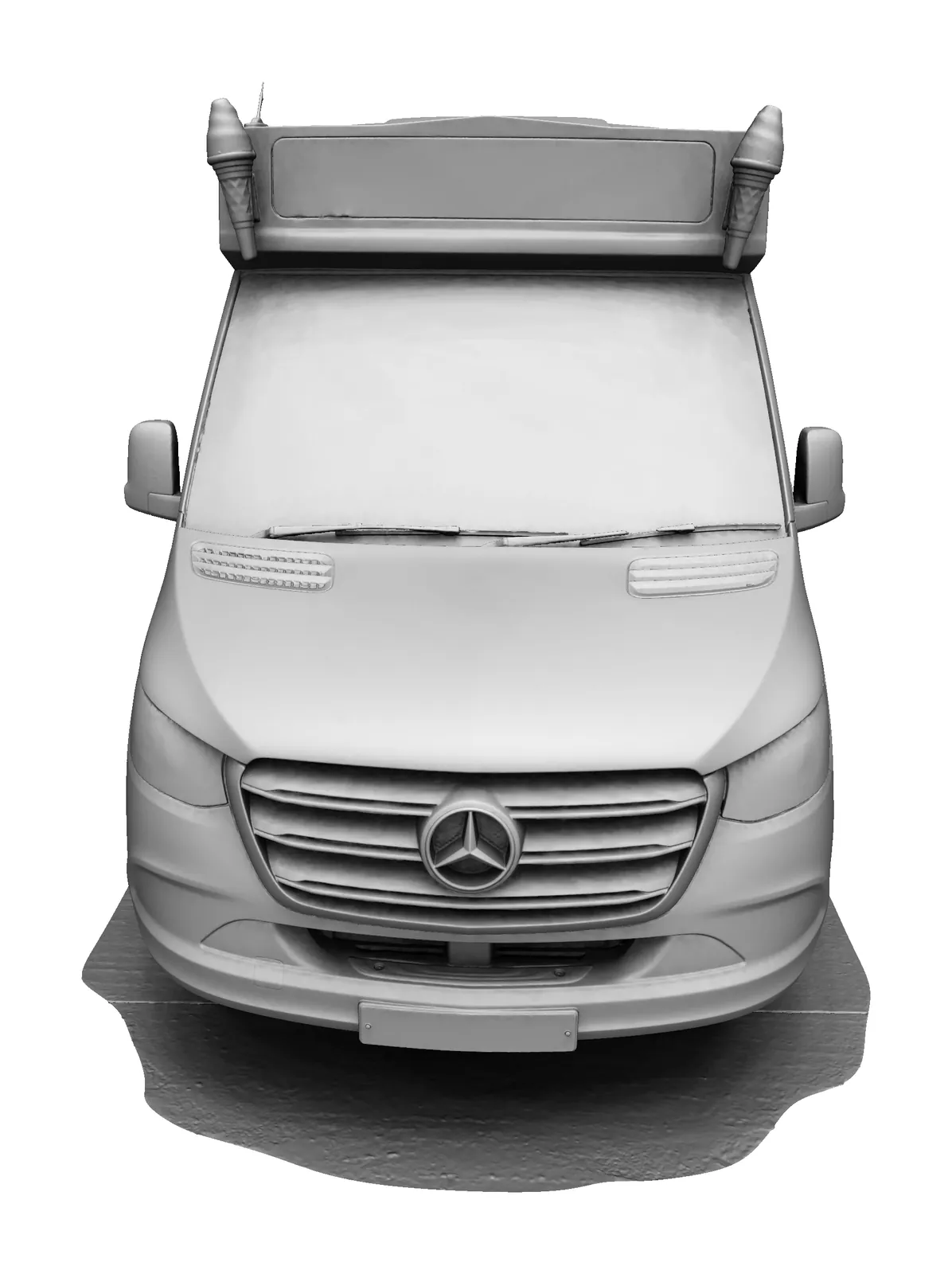
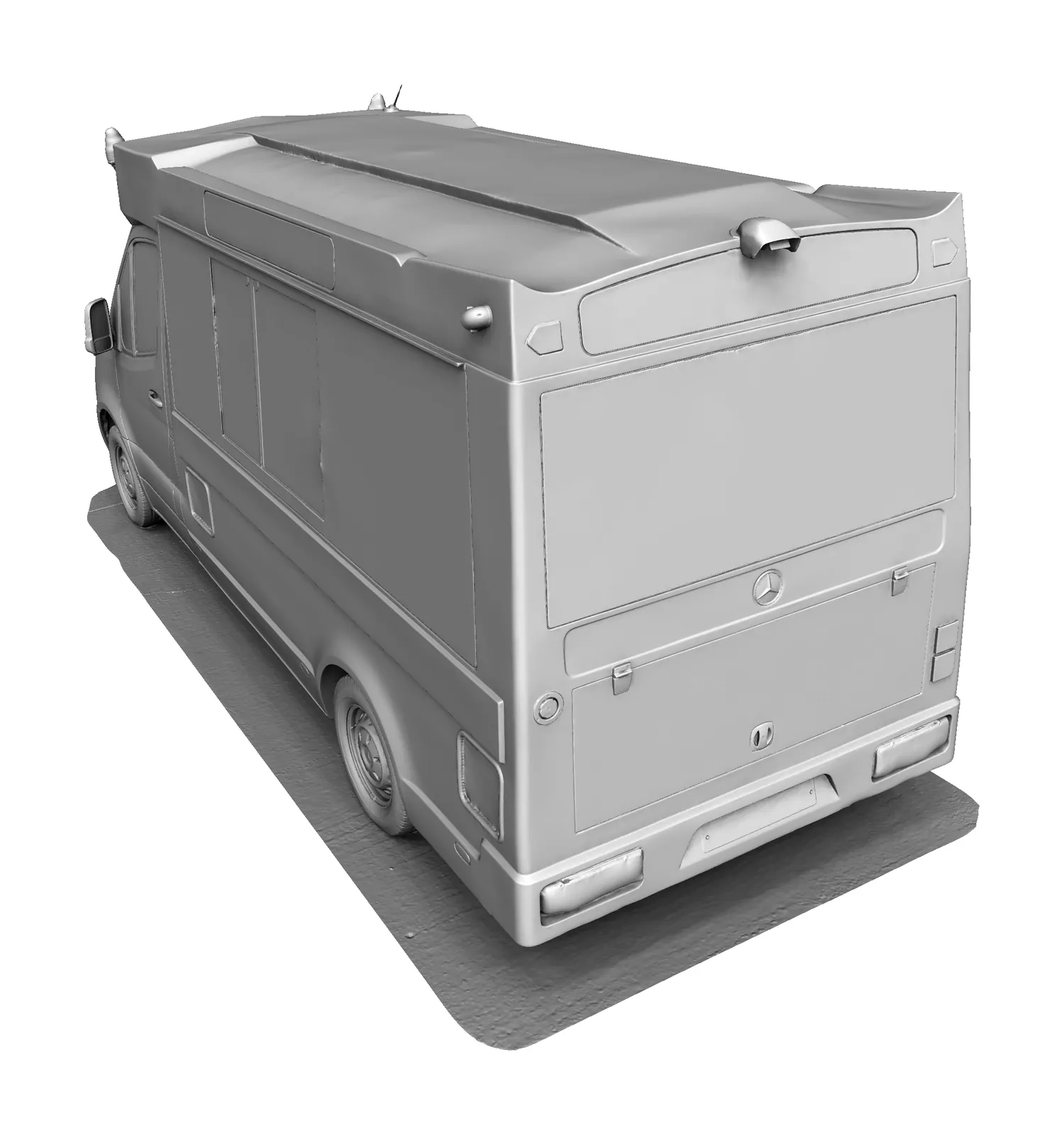
To show a better way, we captured a complete digital twin of an ice cream van with the Artec Ray II long-range laser scanner and the Artec Leo handheld scanner. We processed the data in Artec Studio, then used WrapStyler to turn the 3D model into modular vinyl cut patterns ready for printing and fitting.
What we set out to do
Capture the complete geometry of the van accurately.
Record both the large body panels and the small details that affect where graphics sit.
Produce a clean 3D model to import into WrapStyler.
Generate flat vinyl templates for graphic placement, cutting and fitting.
Show a repeatable workflow that is faster and more accurate than measuring by hand, with no physical templates to keep.
Two scanners, one model
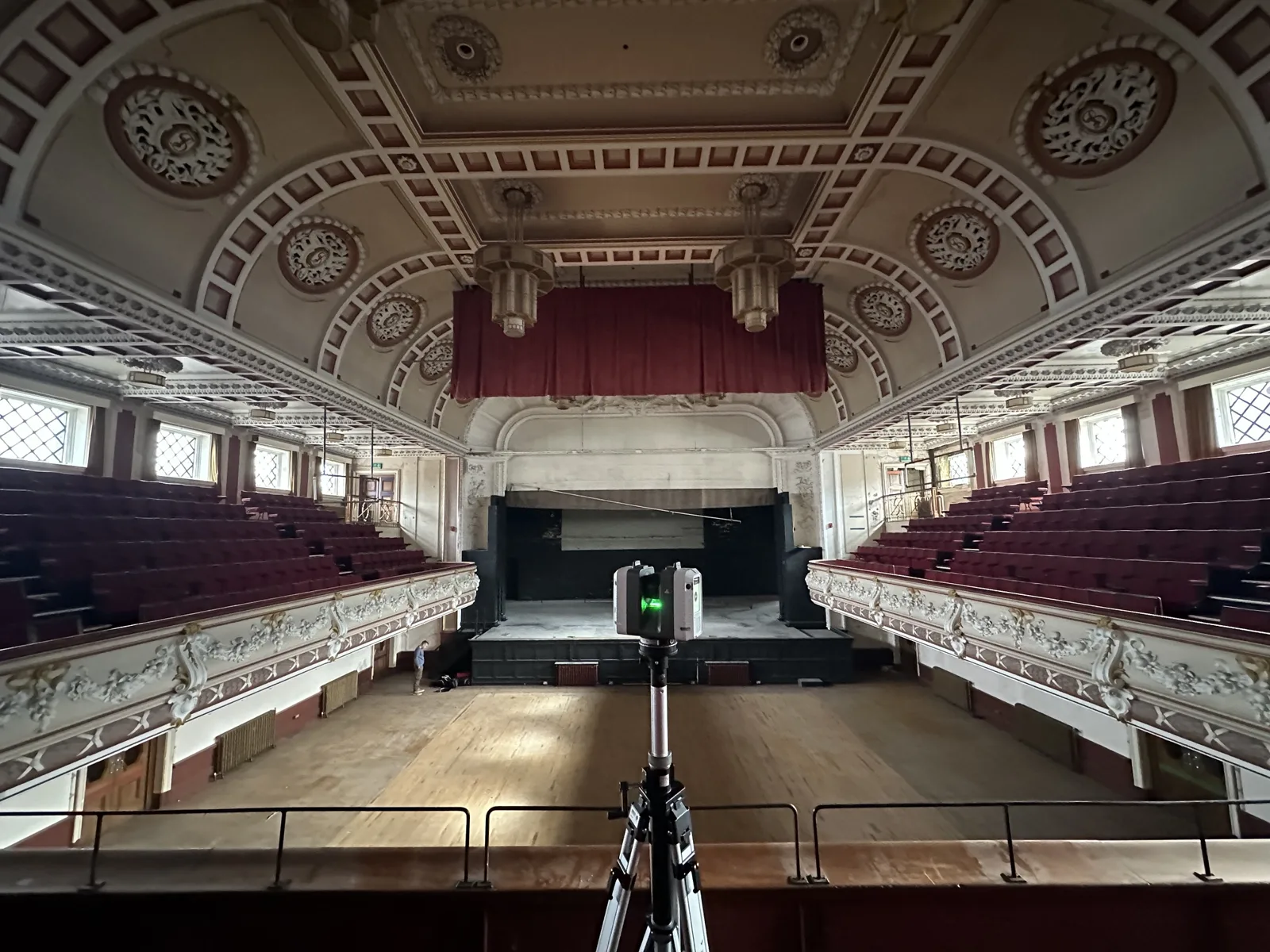
The Artec Ray II captured the overall shape of the van from positions all the way round it. Its long-range LiDAR collects a whole exterior quickly and holds its accuracy over distance, so it gave us the reference model for the whole project, with the proportions and dimensions right.
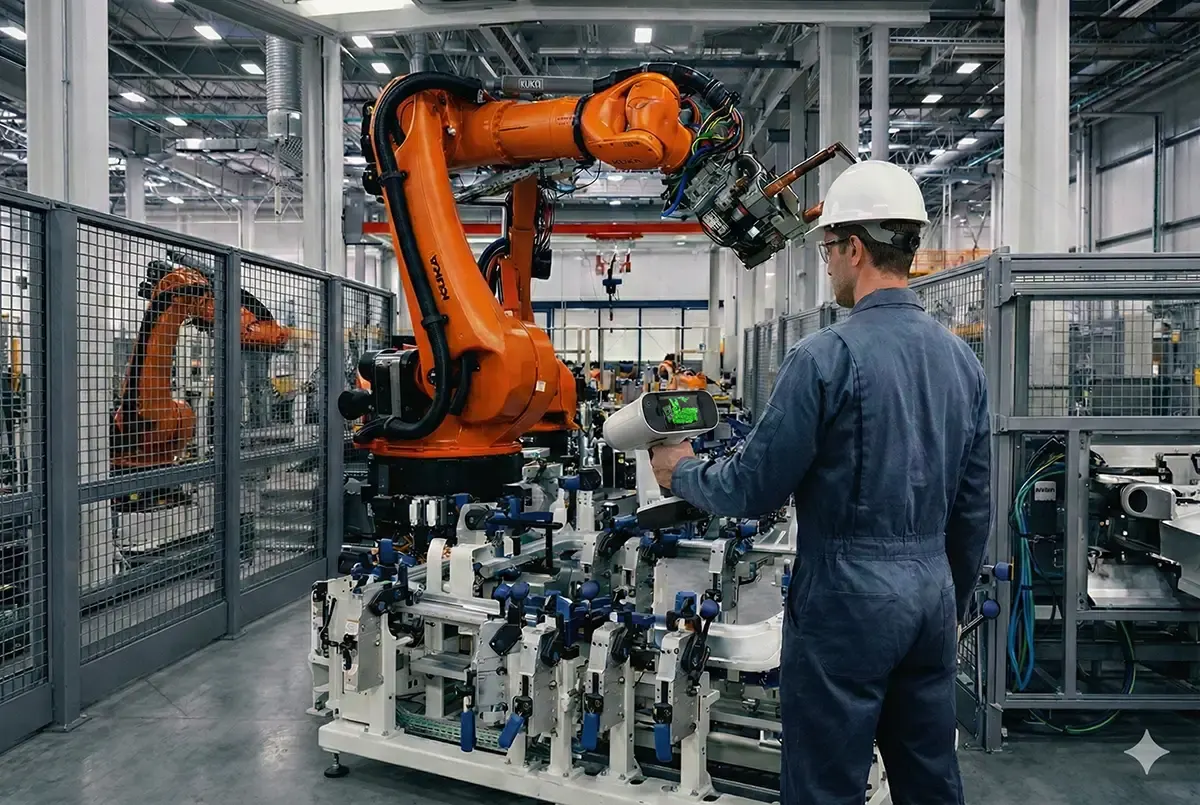
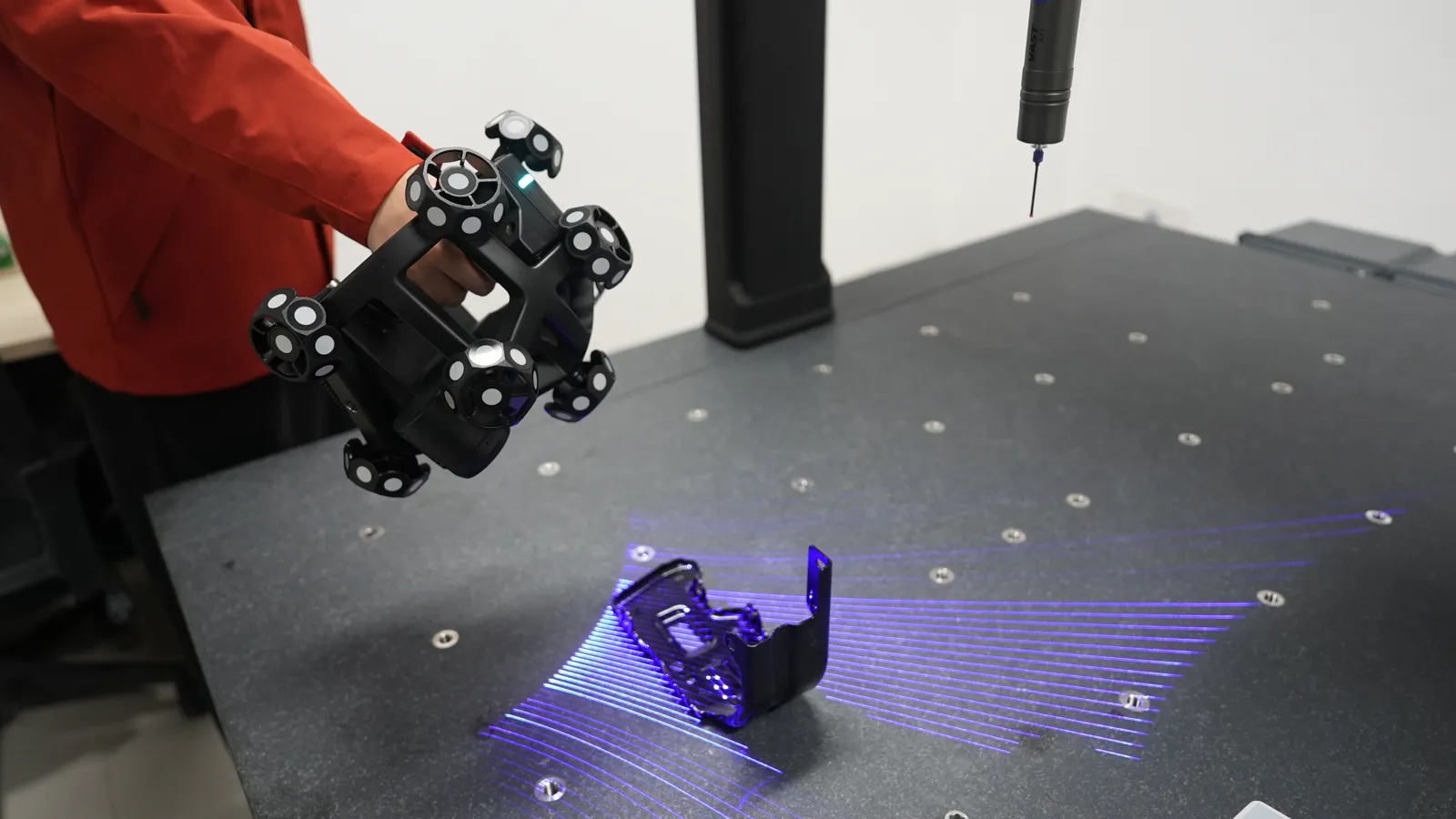
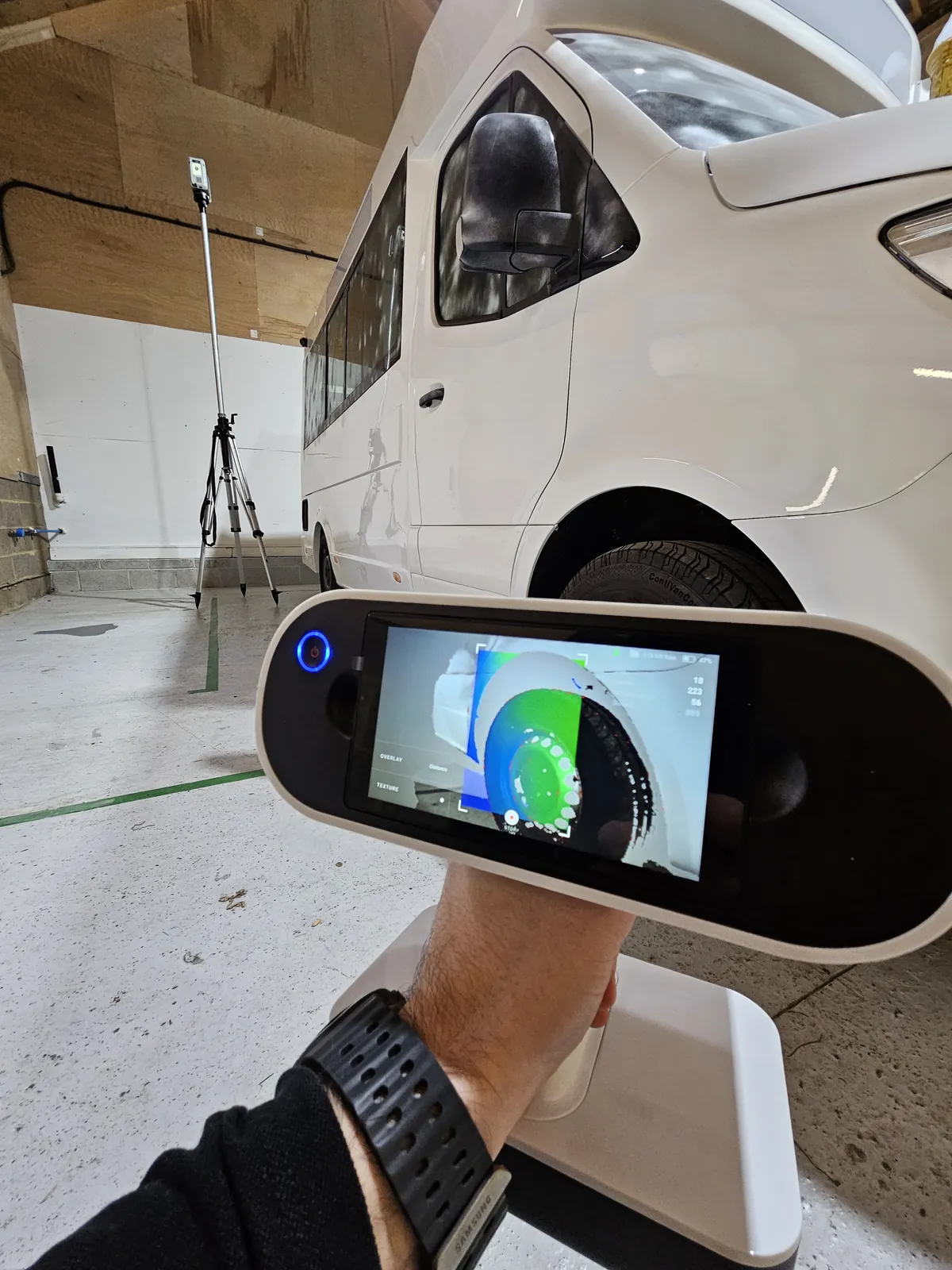
Some areas need more detail than that. With sub-millimetre accuracy, the Artec Leo captured the wing mirrors, door handles, lights, wheel arches, front grille, trim and curved body transitions: everything that changes how the vinyl fits. Leo processes in real time on the scanner, so we could check the detail as we went and avoid a second visit.
Preparing the van
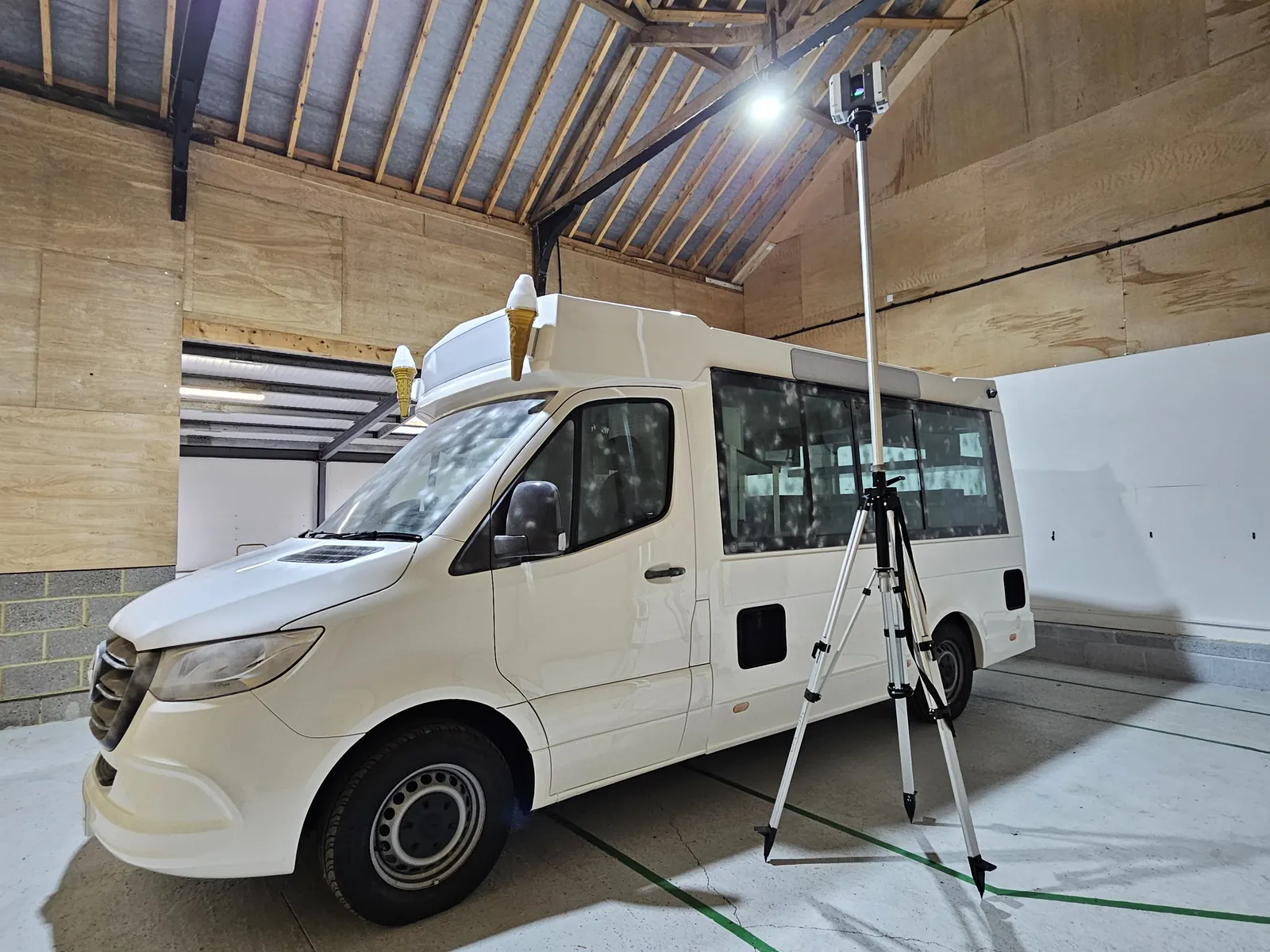
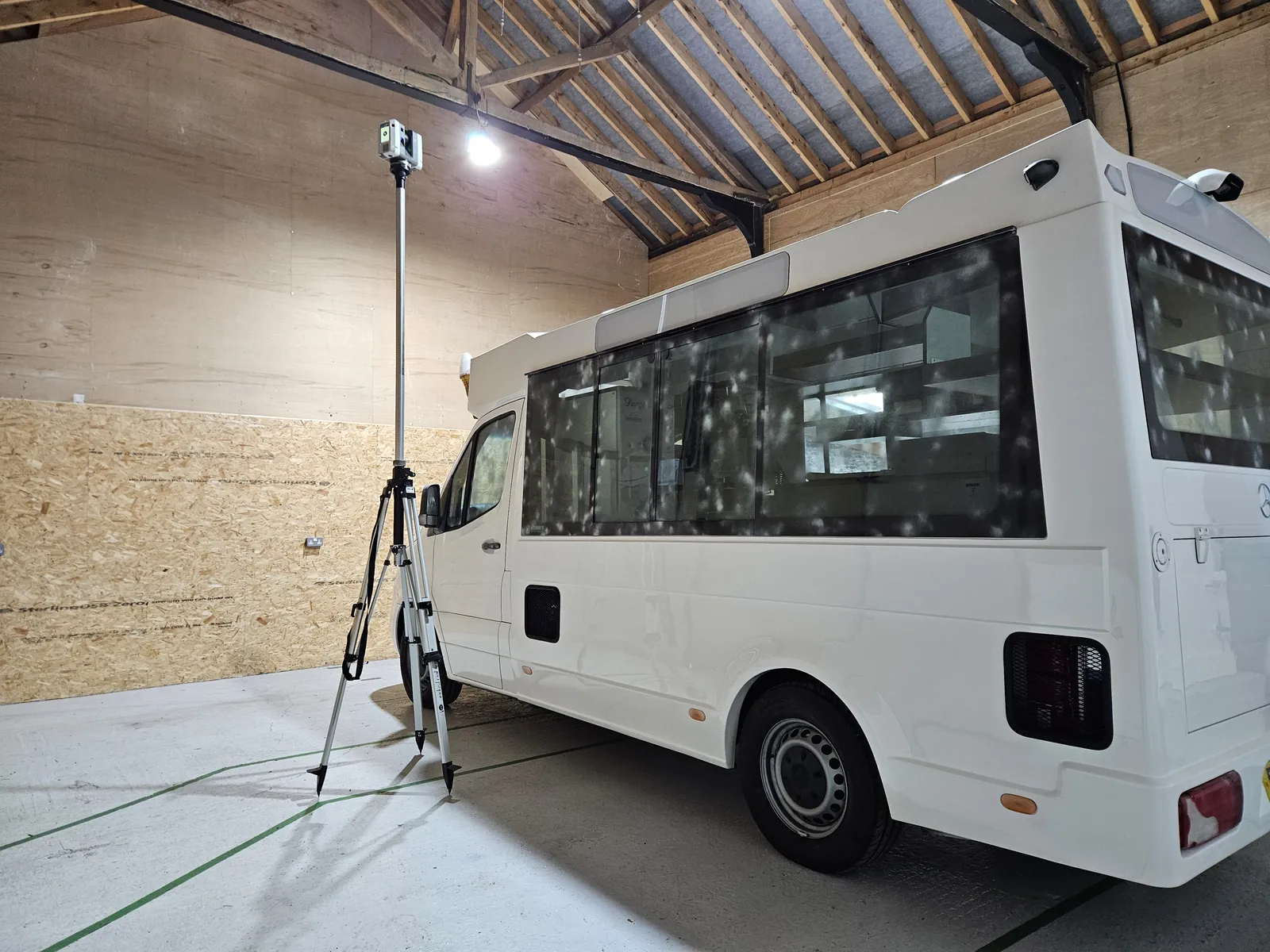
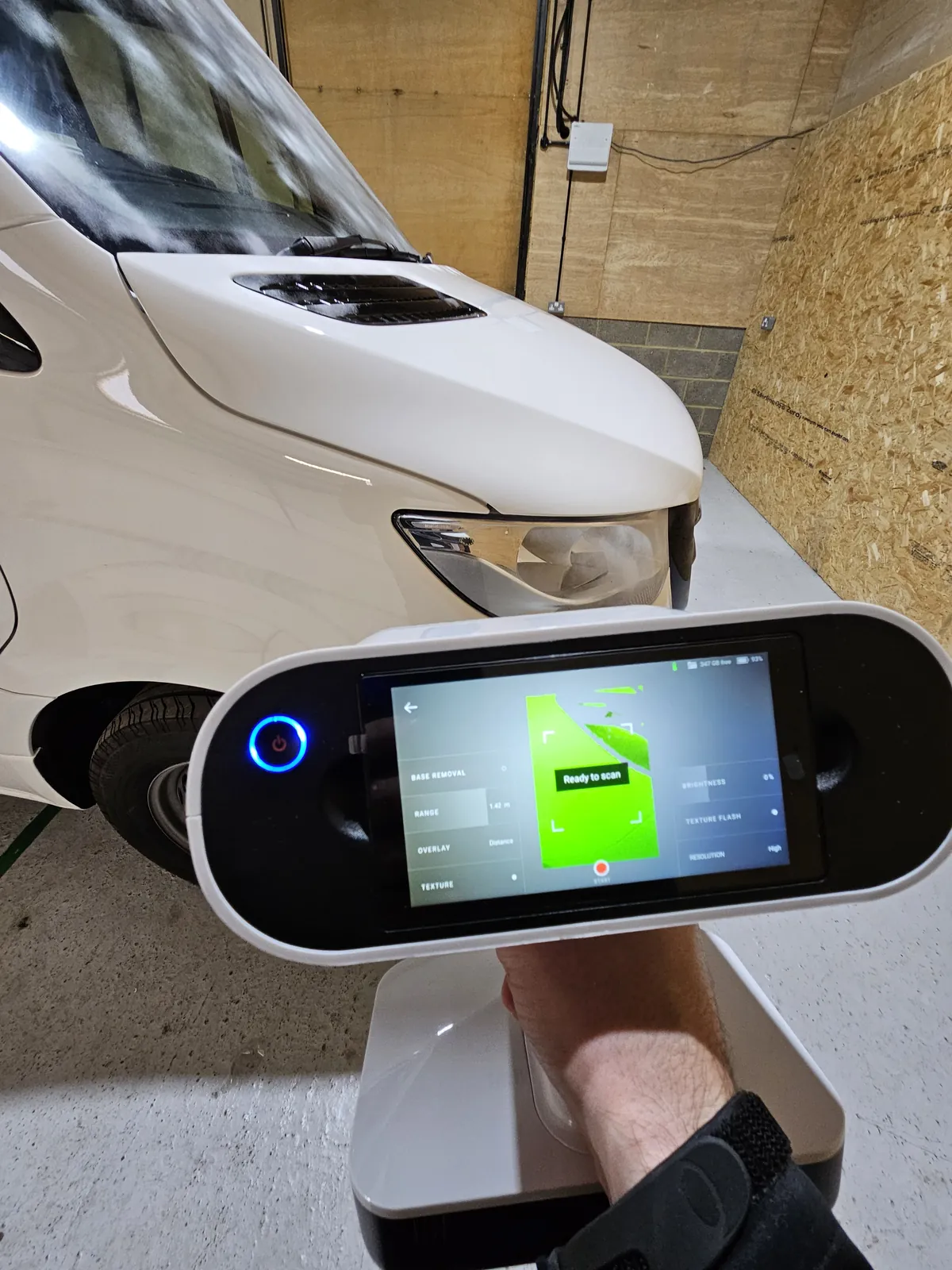
We parked the van in an enclosed bay with room to walk all the way round it. Before scanning we looked for highly reflective and transparent surfaces, deep recesses and areas that needed denser data. The glossy paint and the windows were dulled with scanning spray so both scanners read them as solid surfaces. Planning this first meant full coverage without collecting data we did not need.
The outline: Artec Ray II
The Ray II sits on a tripod. We moved it to ten stations round the van, each scan overlapping the last for complete coverage, better registration and consistent quality. Each scan records millions of points, and the whole exterior was done in about 30 minutes.
The detail: Artec Leo
With the overall shape captured and checked, we scanned only the areas that needed more detail with the Leo: complex curves, trim, surface transitions and recesses. These are slow to measure by hand, yet they decide whether graphics fit round them.
Using the Ray II scan as the reference, each Leo scan aligned straight into the existing data, adding detail only where it was needed instead of scanning the whole van by hand. All the Leo scanning took about two hours.
Processing in Artec Studio
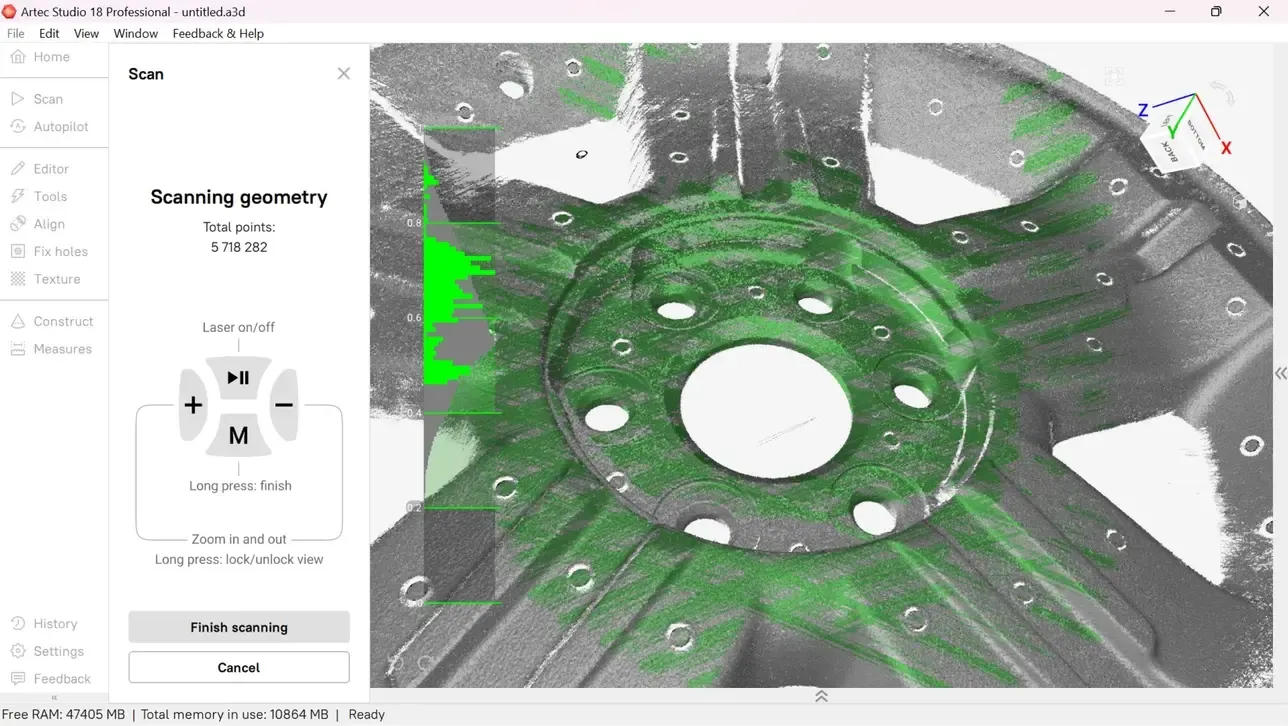
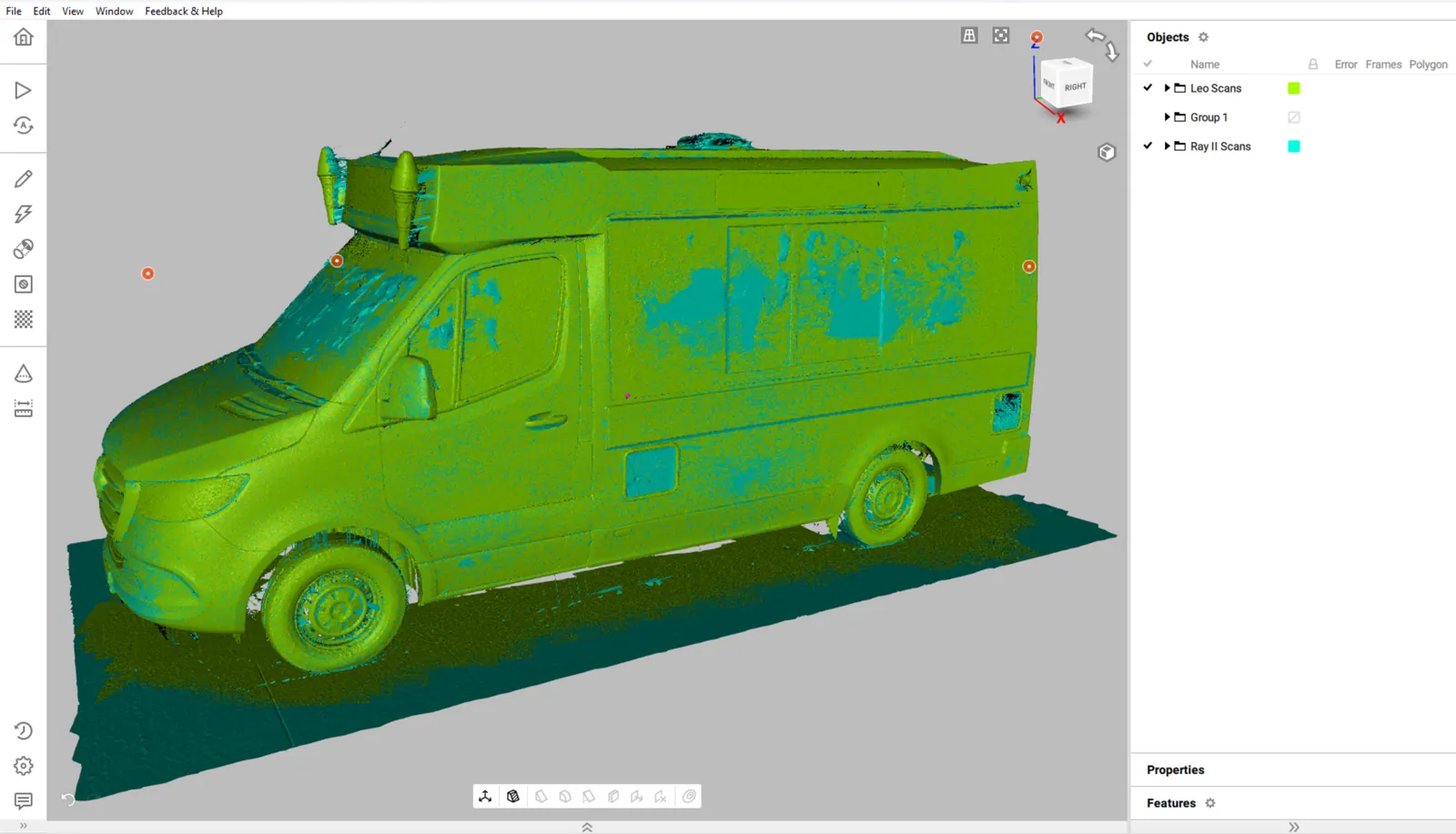
All the data from both scanners went into Artec Studio, in four stages:
Alignment. Scans from both devices were brought into one coordinate system using their overlapping geometry.
Registration. A global optimisation refined the alignment across every scan, reducing cumulative error and keeping the dimensions consistent.
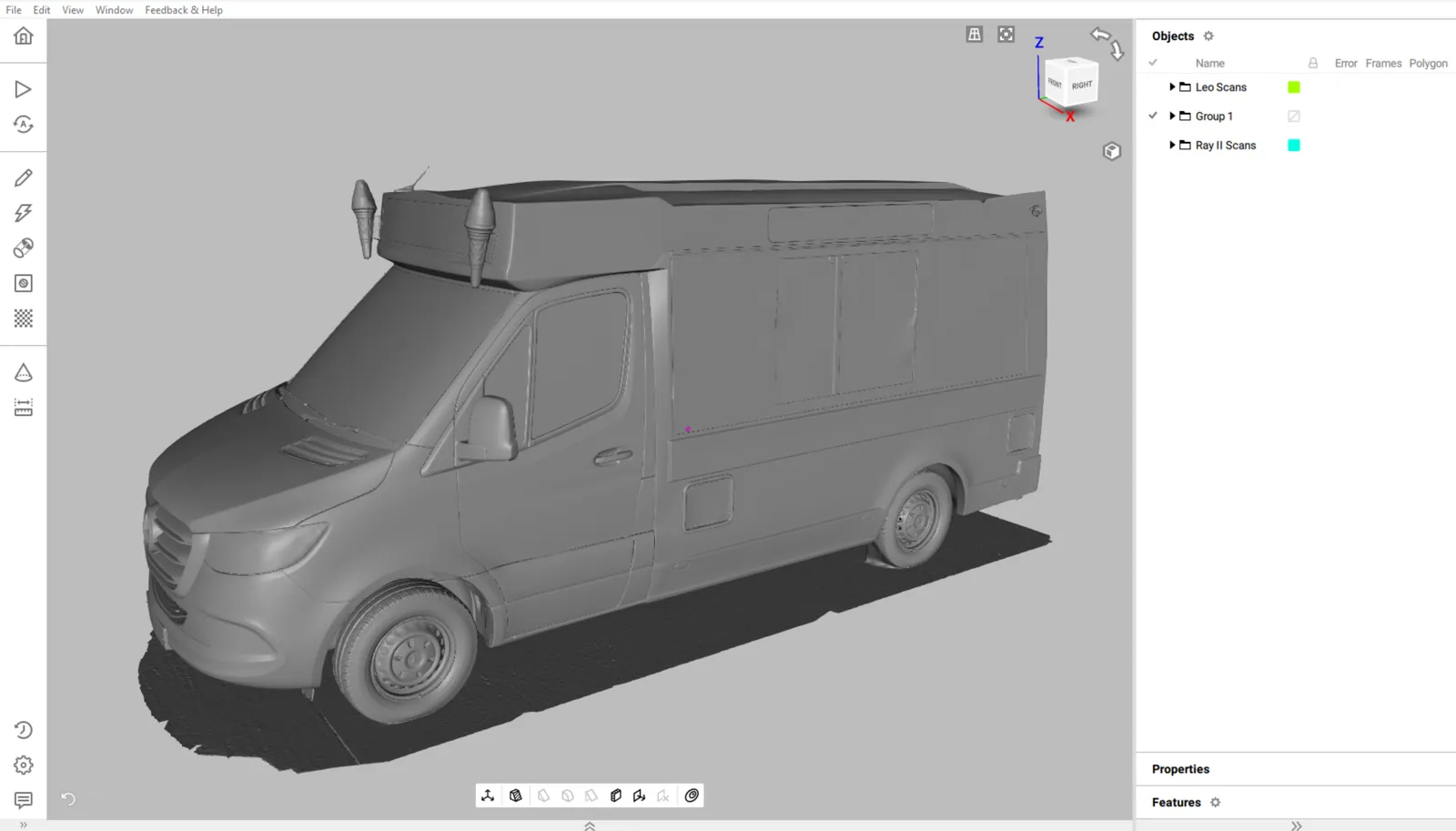
Fusion. Artec Studio converted the registered scans into one high-resolution mesh, removing the overlaps and keeping the details the wrap design needs.
Mesh cleaning. We removed the surroundings and noise, repaired small holes, simplified geometry that did not matter, kept the design features and split the van into manageable sections.
Processing the data from the two scanners into a finished mesh took a couple of hours.
Into WrapStyler
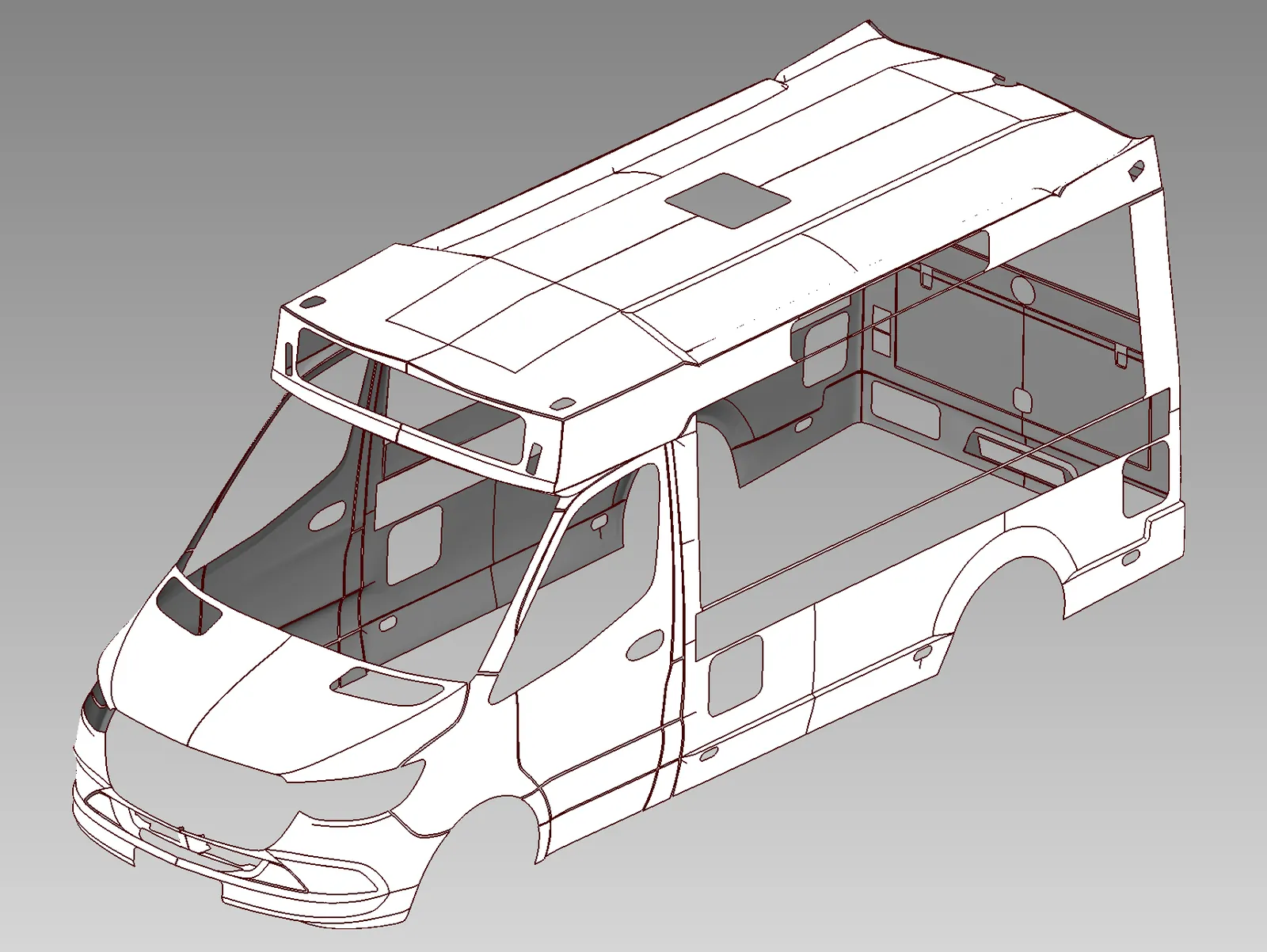
The finished mesh went into WrapStyler as the foundation for the graphics design. Rather than working from estimated templates, the design follows the real van: body contours, panel edges, door gaps, curved transitions and window openings.
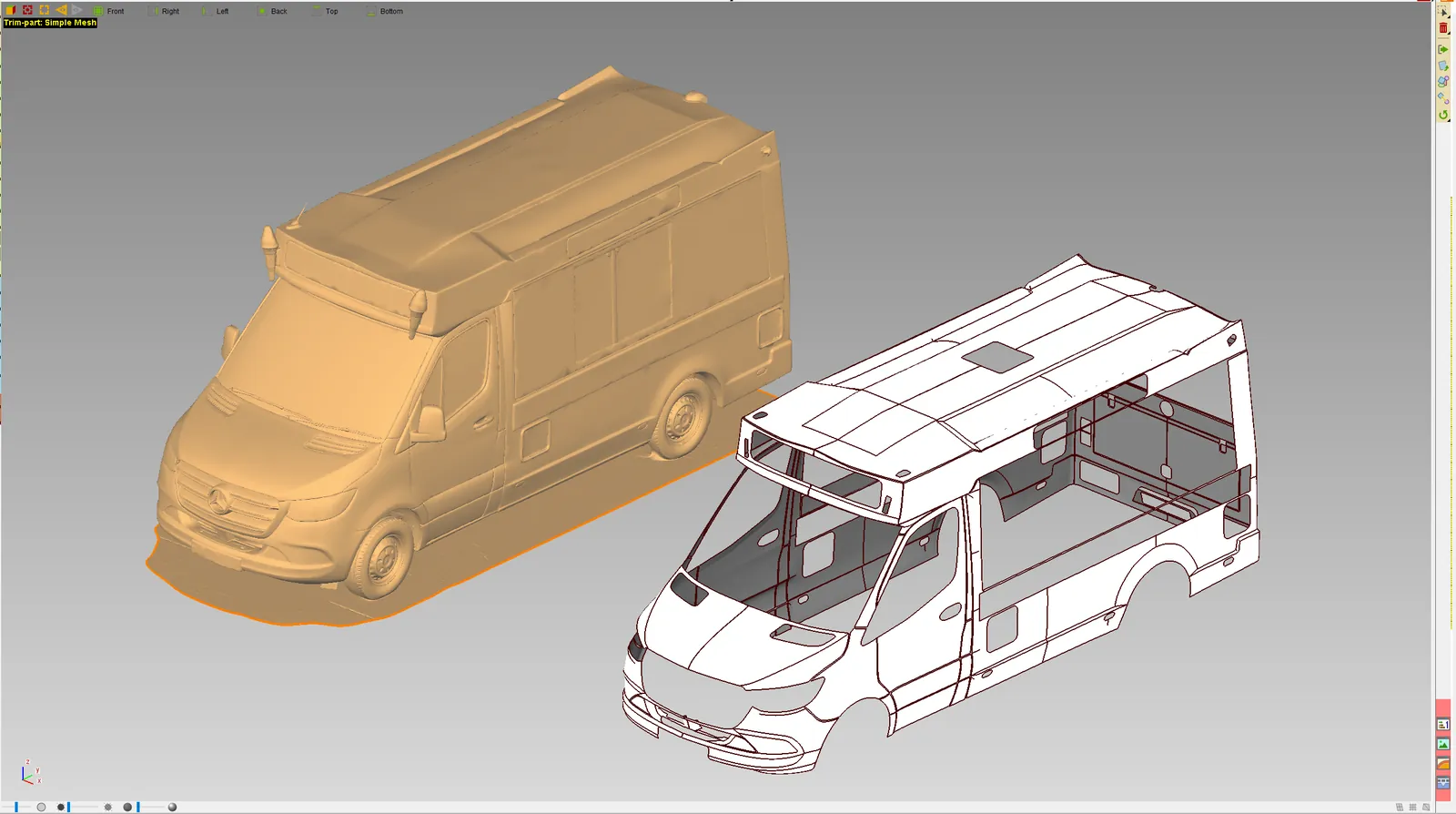
Flat vinyl templates
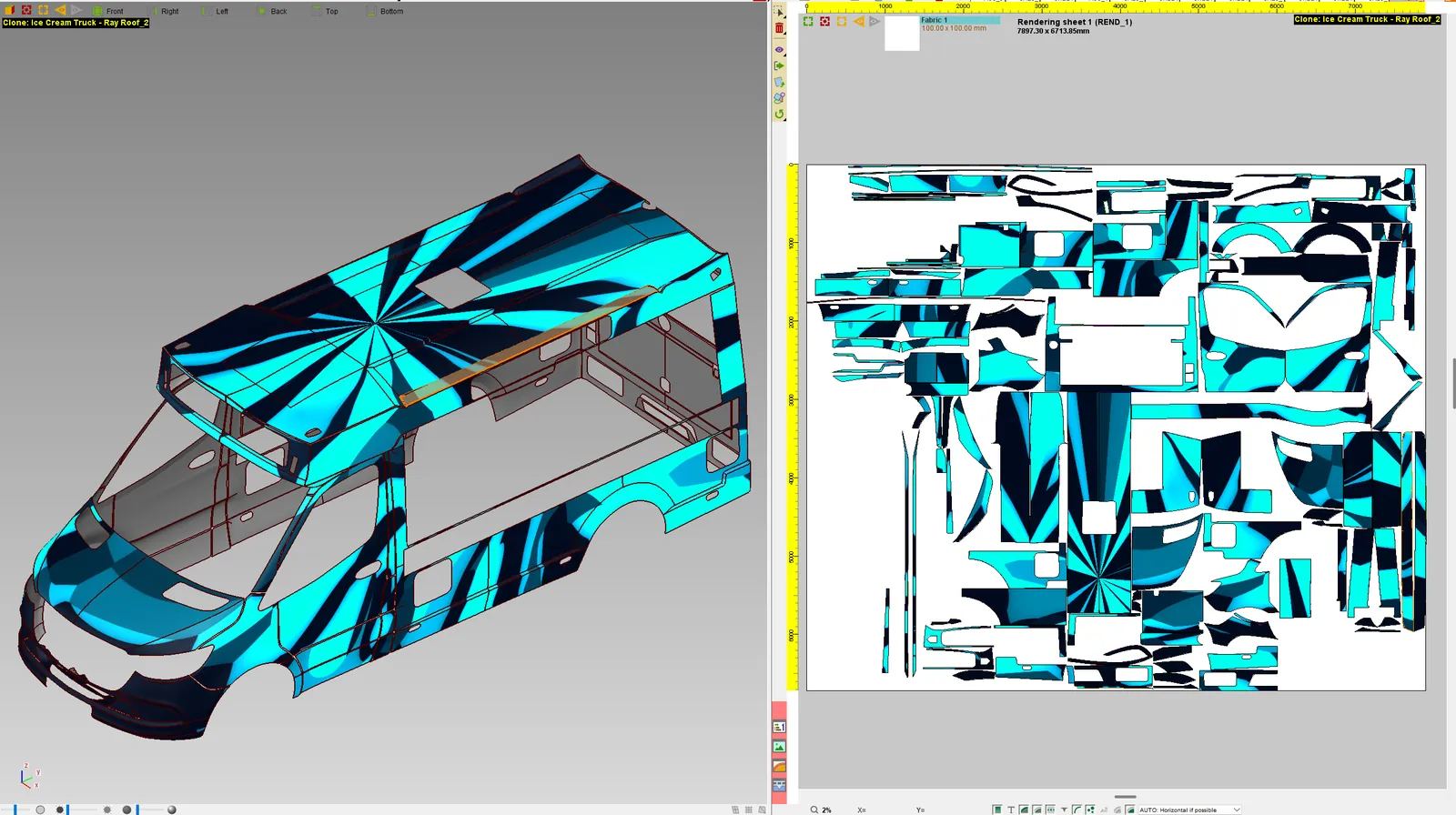
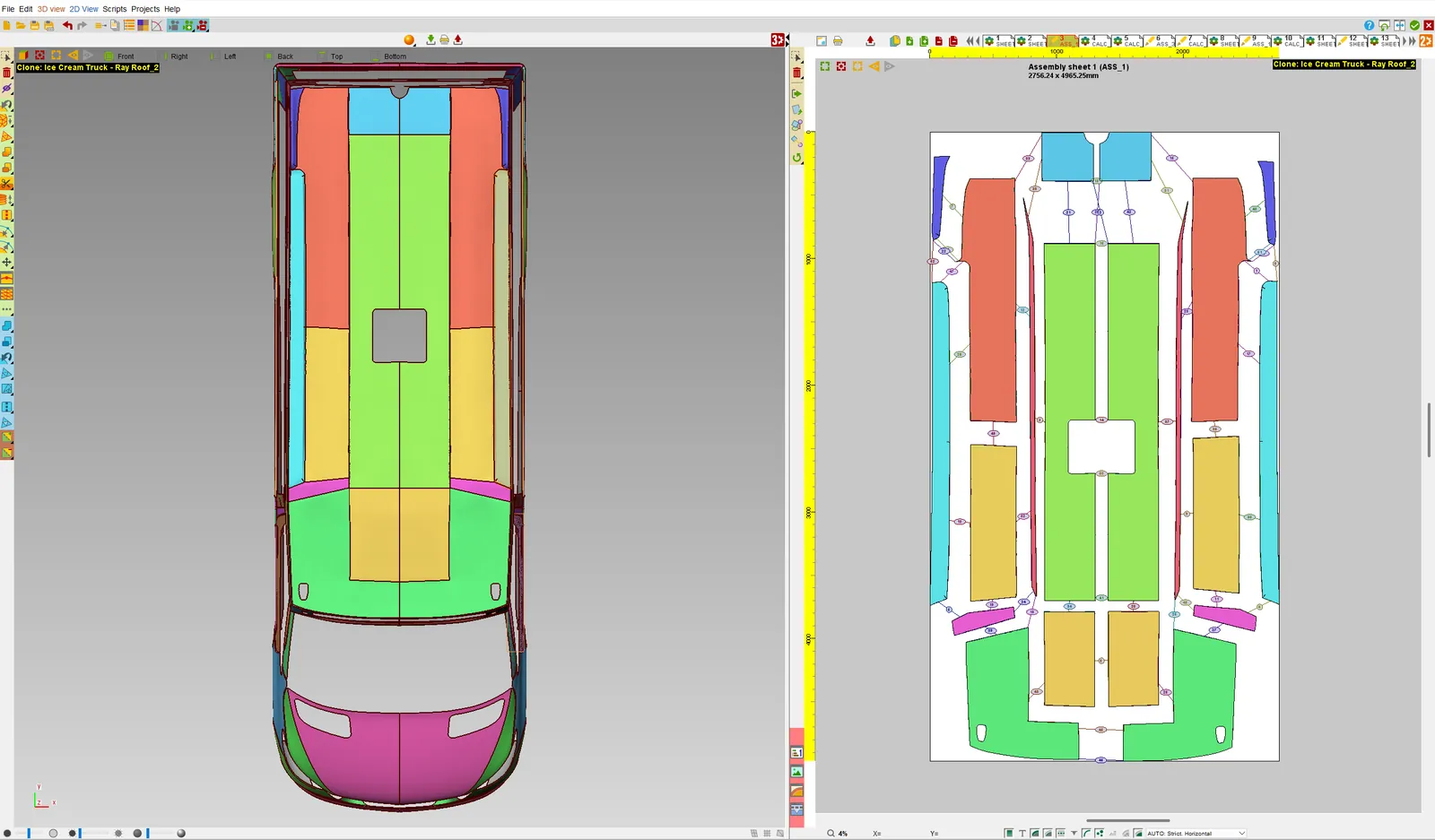
This is where scanning and WrapStyler together pay off: complex 3D surfaces become accurate 2D production templates. WrapStyler works from the van's own geometry to produce flat panel layouts for vinyl cutting, print production, installation planning and graphic positioning.
Because the templates match the real van, there is less stretching, trimming and adjusting on the day of fitting.
What it means for a wrap business
Faster. An accurate digital twin of a vehicle is captured quickly, without lengthy measuring or templating, which cuts human error and saves production time.
Less waste. Designers work from the real geometry, so graphics line up round complex shapes with less guesswork, fewer reprints and recuts, and less vinyl thrown away.
Repeatable. Once a vehicle is scanned, the model can be reused for rebrands, fleet graphics and design changes without going back to the vehicle.
Modular repairs. If one area of the vehicle is damaged, only those panels of the wrap need replacing, not the whole wrap.
Why this matters
As vehicles get more complex, hand templating struggles to keep up with modern wrap production. The Artec Ray II, Artec Leo and WrapStyler together make a fully digital workflow, with better accuracy, better efficiency and more predictable fitting.
It works the same for commercial fleets, emergency vehicles, motorsport, specialist conversions and promotional vehicles like this ice cream van: a faster, more reliable route from the vehicle to the finished graphics.
Want to do the same?
Whether you are a vehicle graphics company, print provider, design agency or fleet operator, we can show you the whole workflow, scan vehicles and make the templates for you through our vehicle wrap templating service, train your team, and supply the Artec scanners, Artec Studio and WrapStyler to fit your work. Email sales@europac3d.com or get in touch.