.svg)
Queen's Theatre stands across the market square from the statue of Motörhead's Lemmy Kilmister in Burslem, Stoke-on-Trent, the town he was born in. It has been closed for over a decade. A community project now plans to bring it back as a home for live music, recording and education.
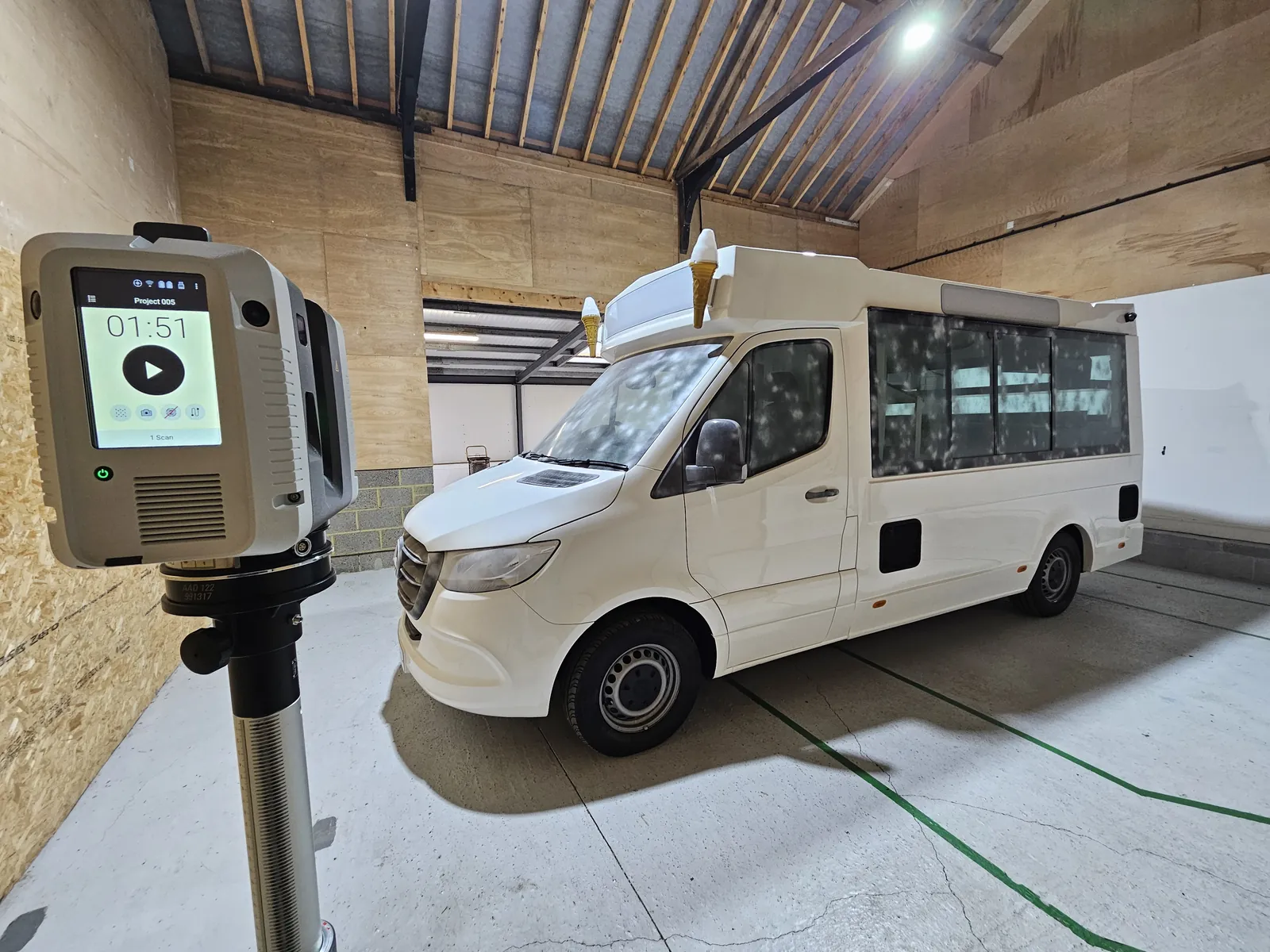
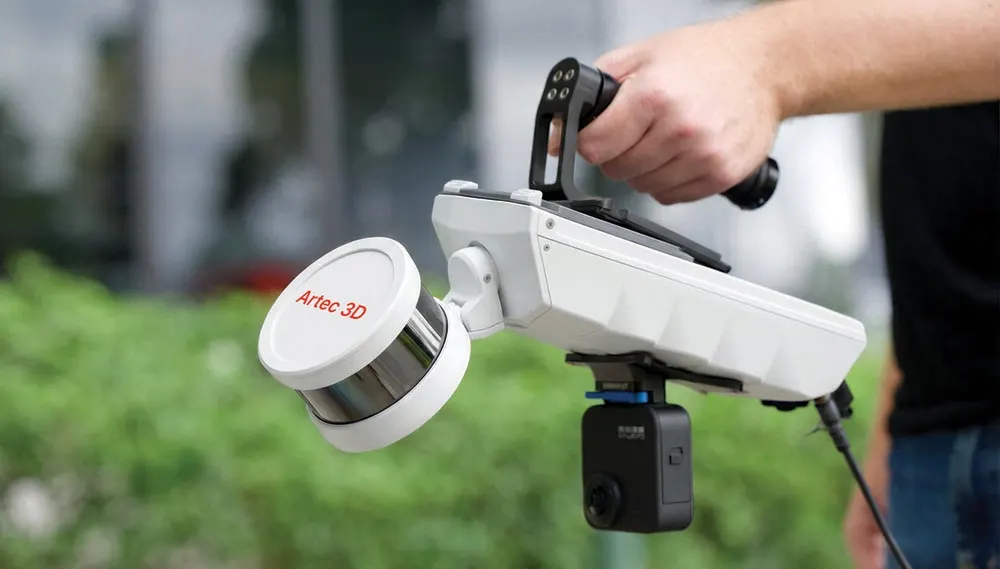
The original drawings are missing, so the restoration needed as-built data before anyone could plan it. We scanned the whole building with an Artec Ray II and turned it into one full-colour digital twin. The architects, the acoustic engineers and the people raising the money all now work from it.
Explore the theatre in 3D
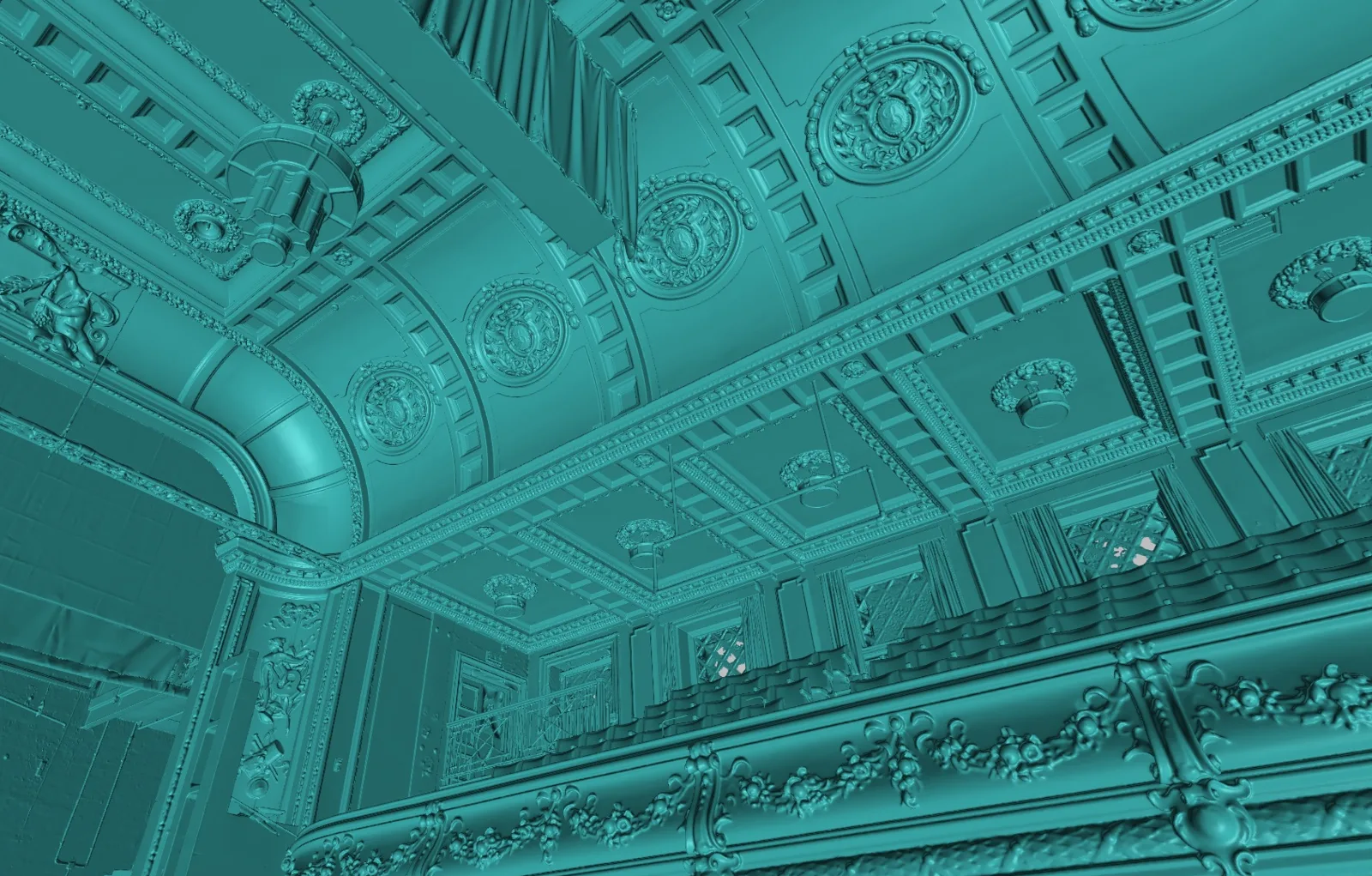
This is the finished model. Walk round the auditorium, look up at the ceiling or lean over the balcony fascia, all from the scan data.
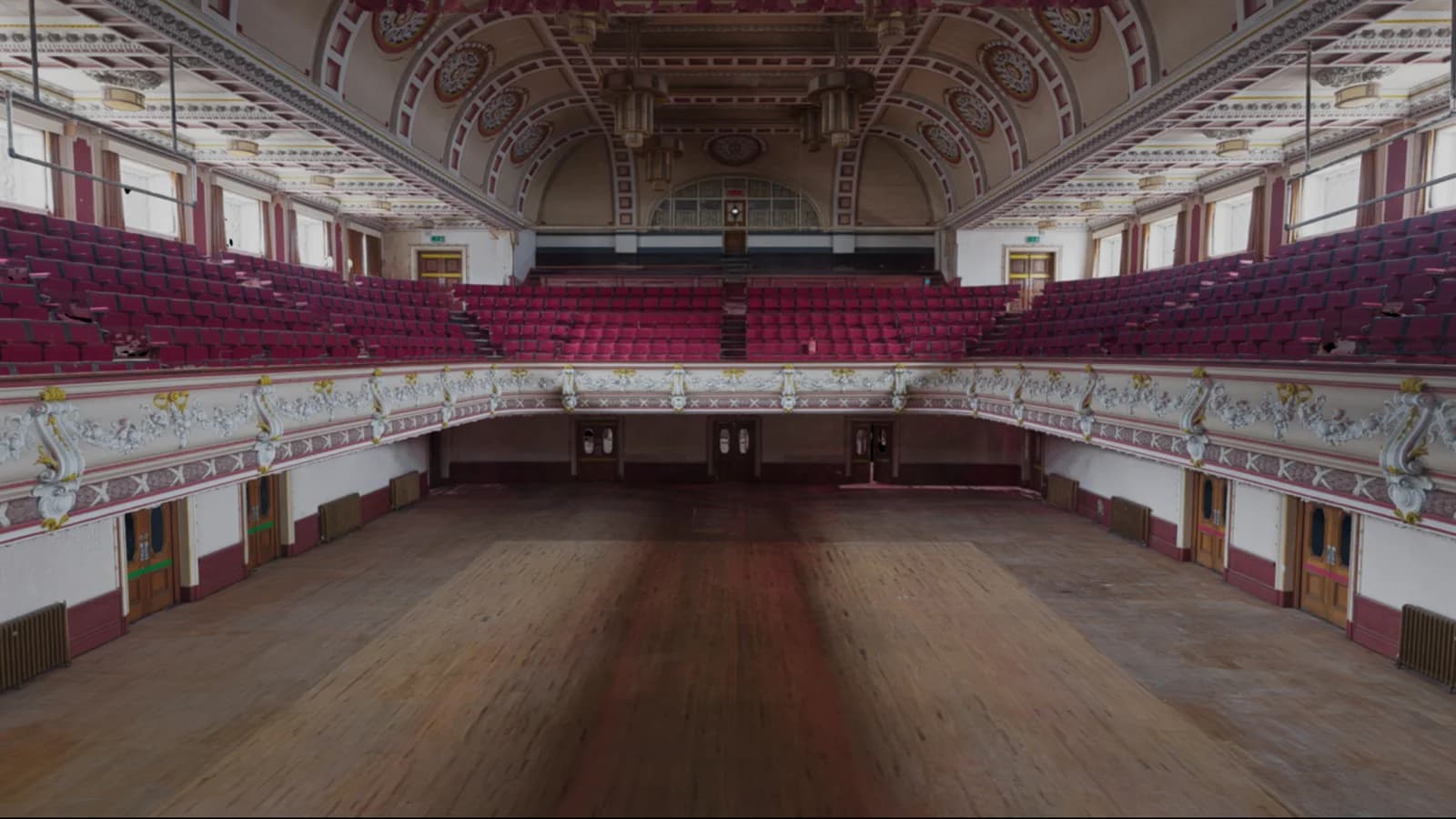
A theatre with no drawings
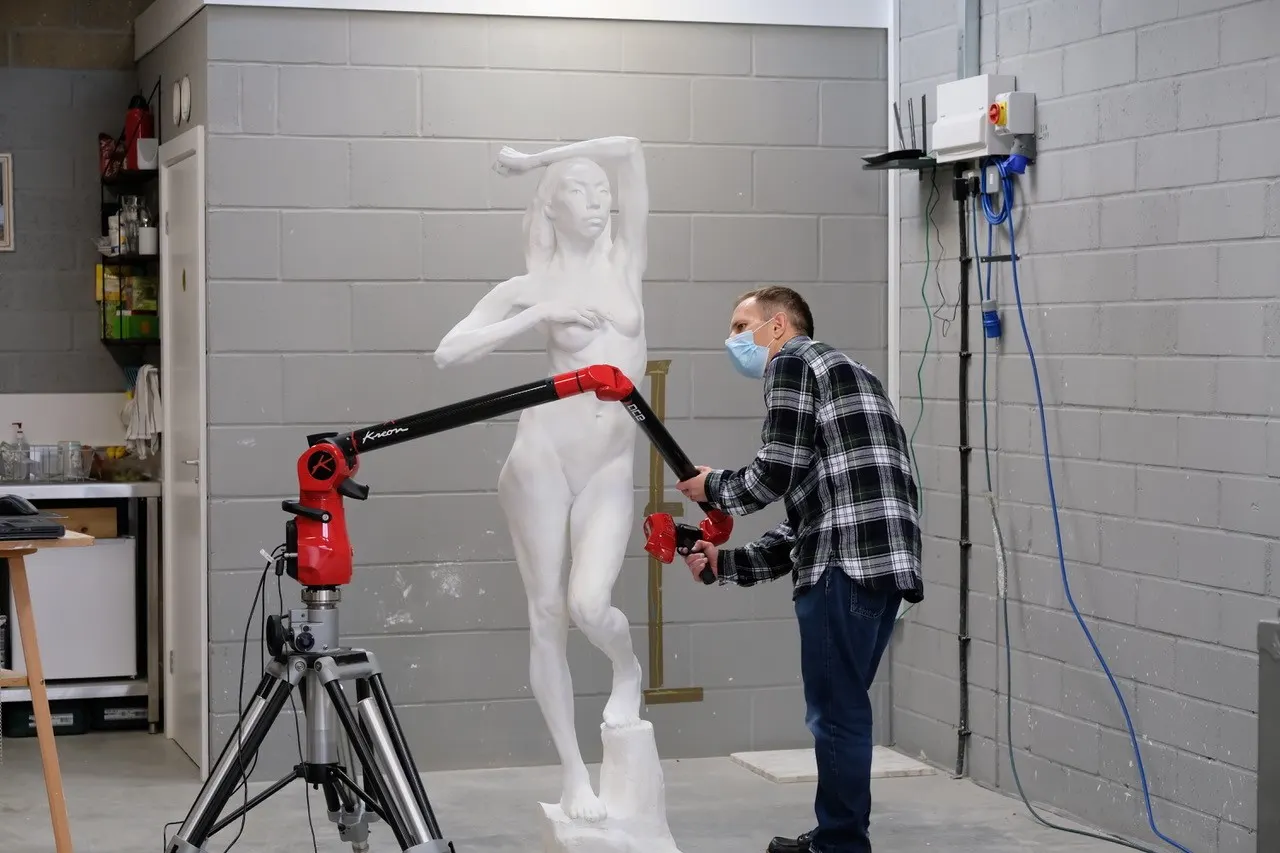
The building started life over a century ago as Burslem's town hall. The auditorium came later. The plan is a £19 million restoration into a music venue with its own recording studio, led by the sculptor Andy Edwards, who made the Lemmy statue. We have worked with Andy for years, scanning his maquettes to scale up and his bronzes to scale down.
Architects, acoustic consultants and audio specialists all needed the same thing first: accurate geometry of the building as it stands today. Measuring it by hand would have taken months.
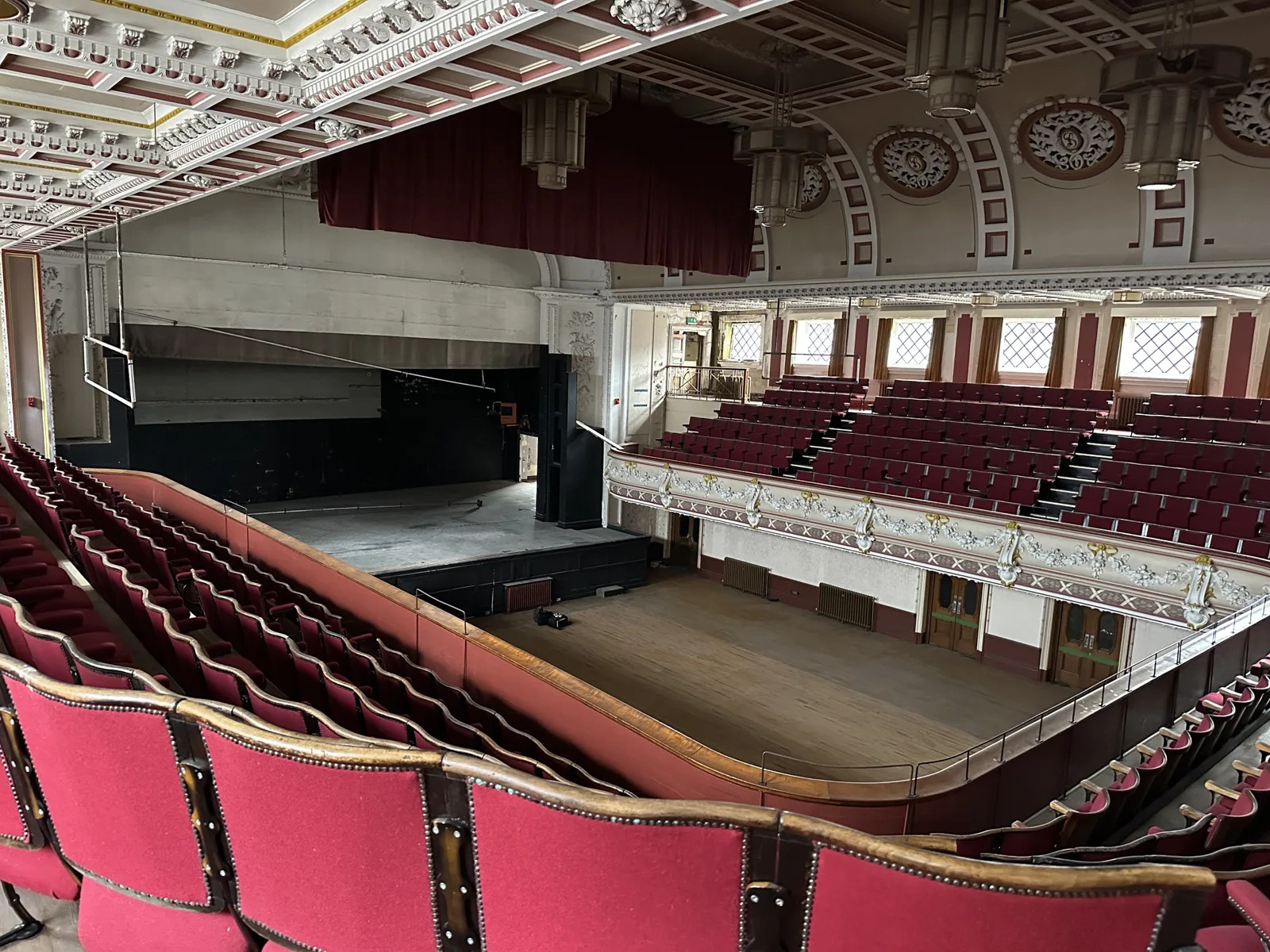
Why the Artec Ray II
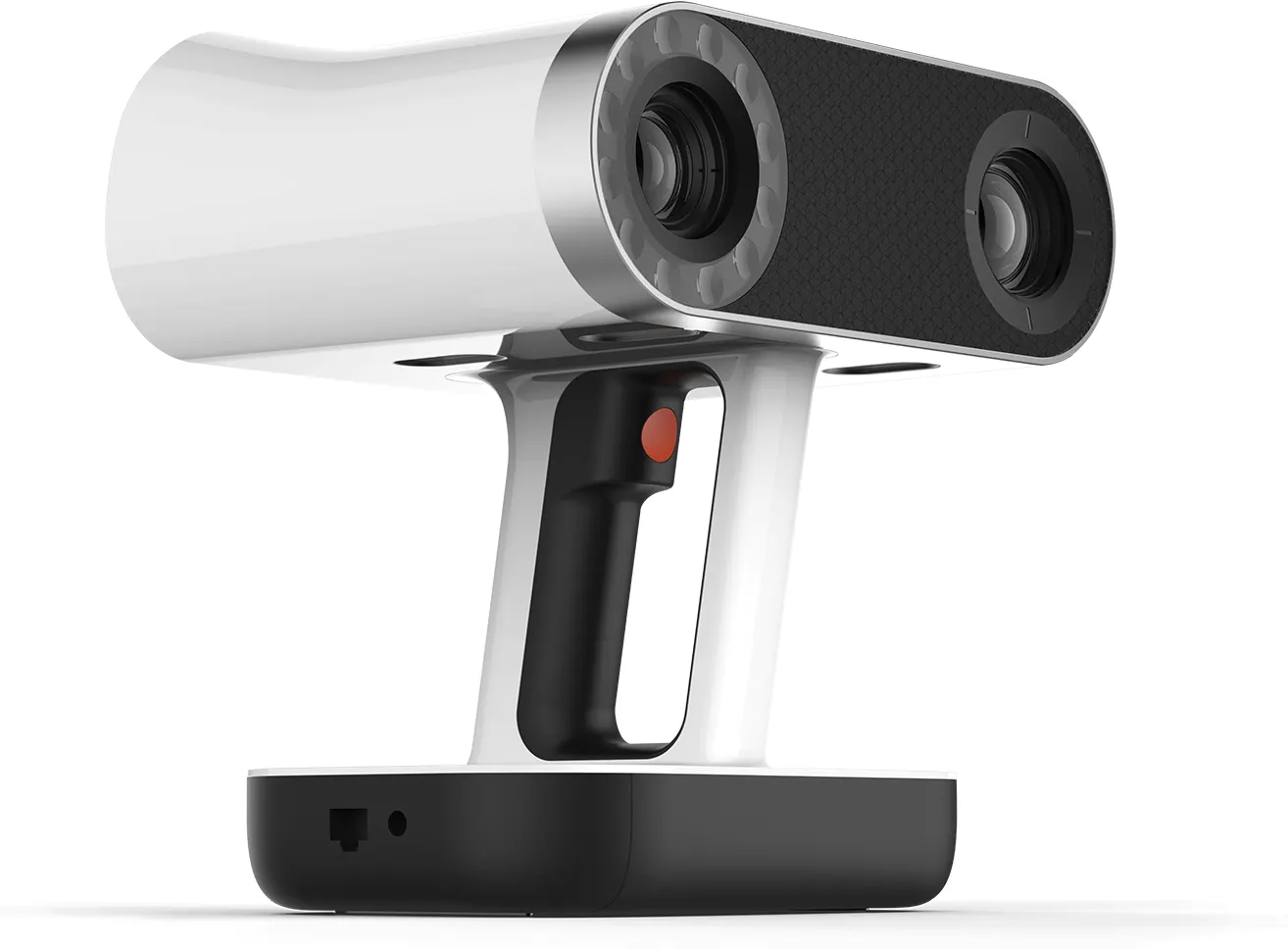
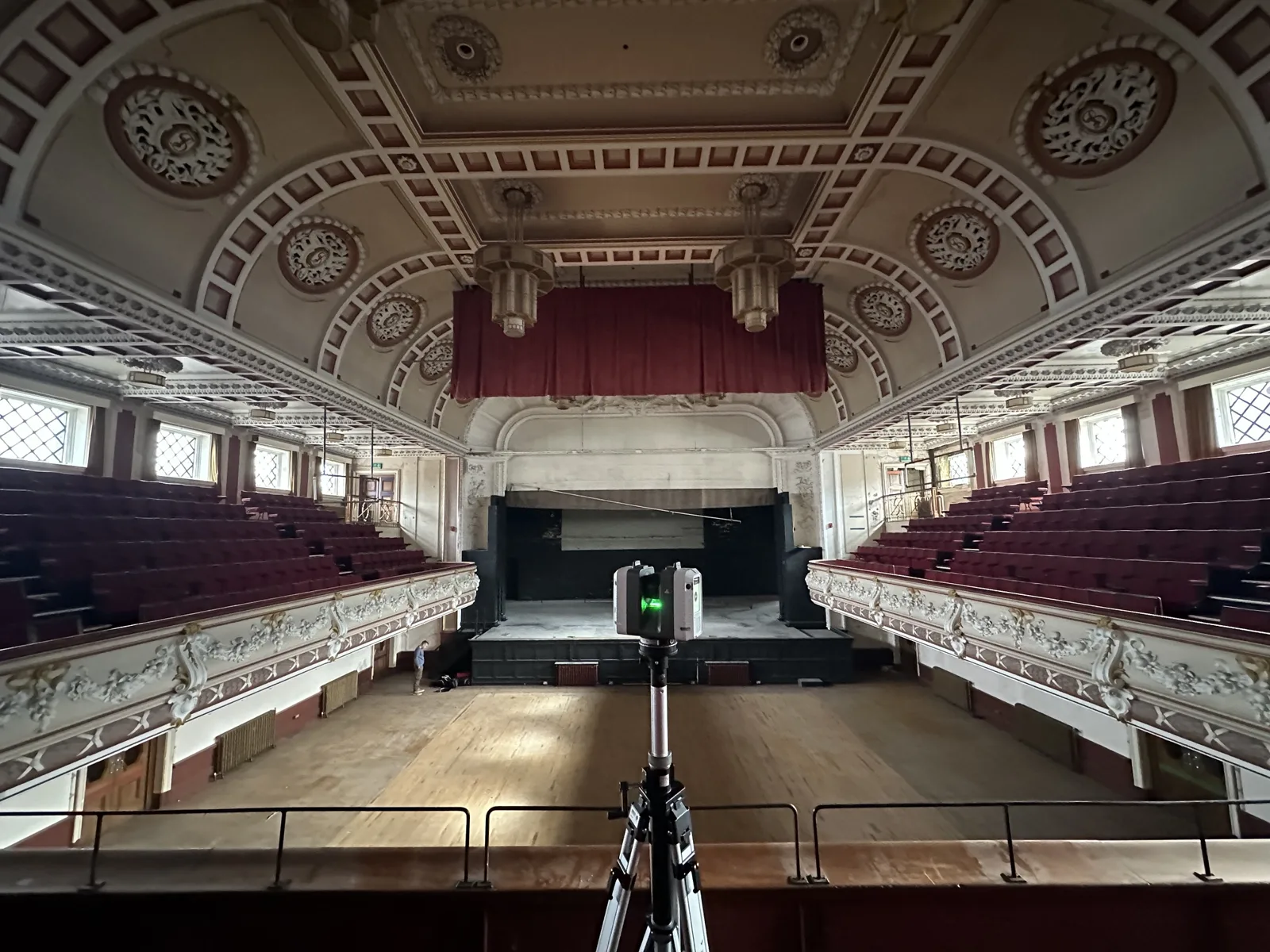
The theatre has several levels, staircases, balconies and corridors, with a ceiling 20 to 30 metres from the floor. The Ray II's long range captures that height from a tripod. Up close it still picks up fine detail such as the ornate plasterwork on the balcony fascia.
Mark Beckett scanned the auditorium, stage, lobby and balconies from 40 overlapping positions in five hours.
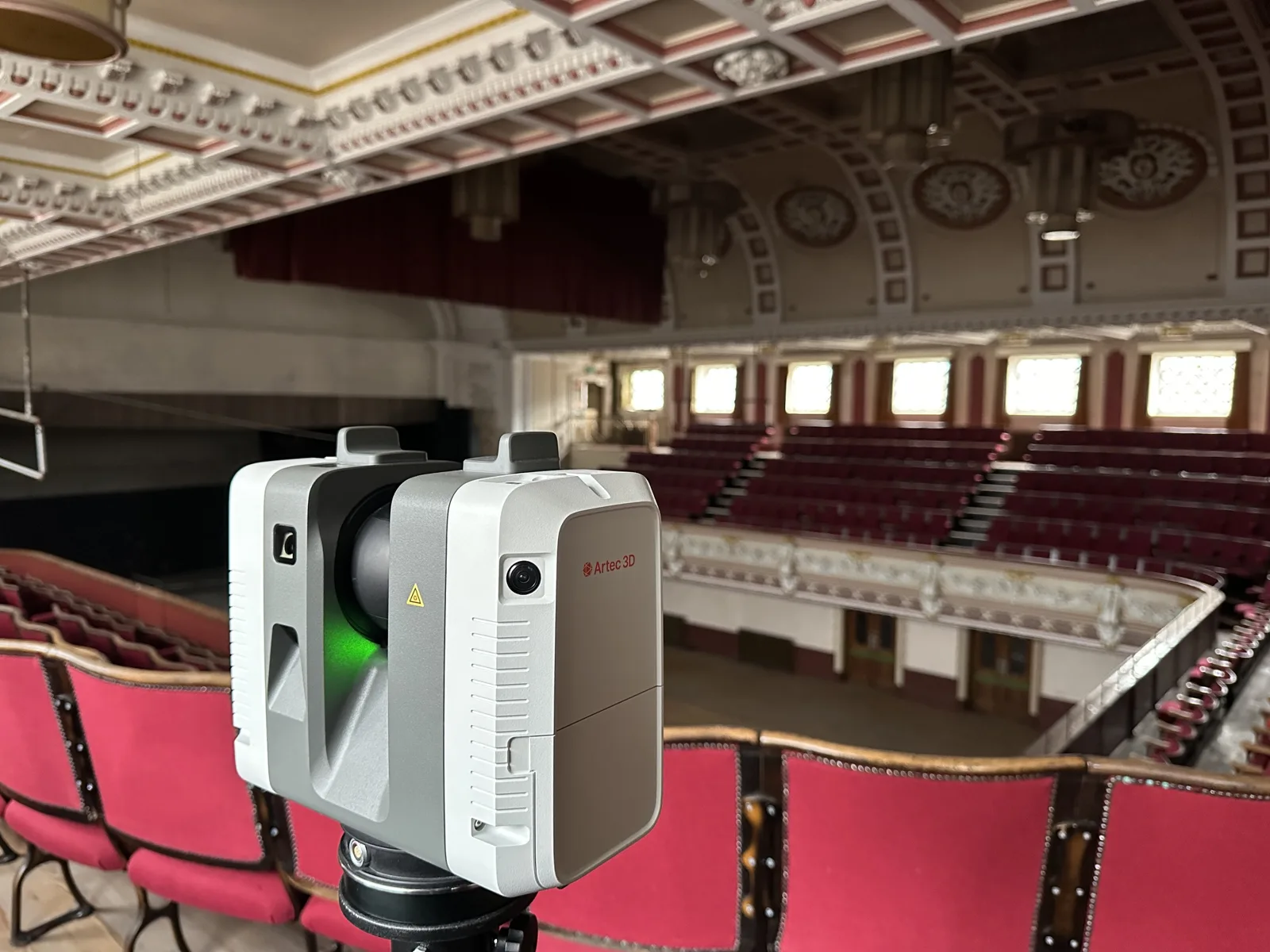
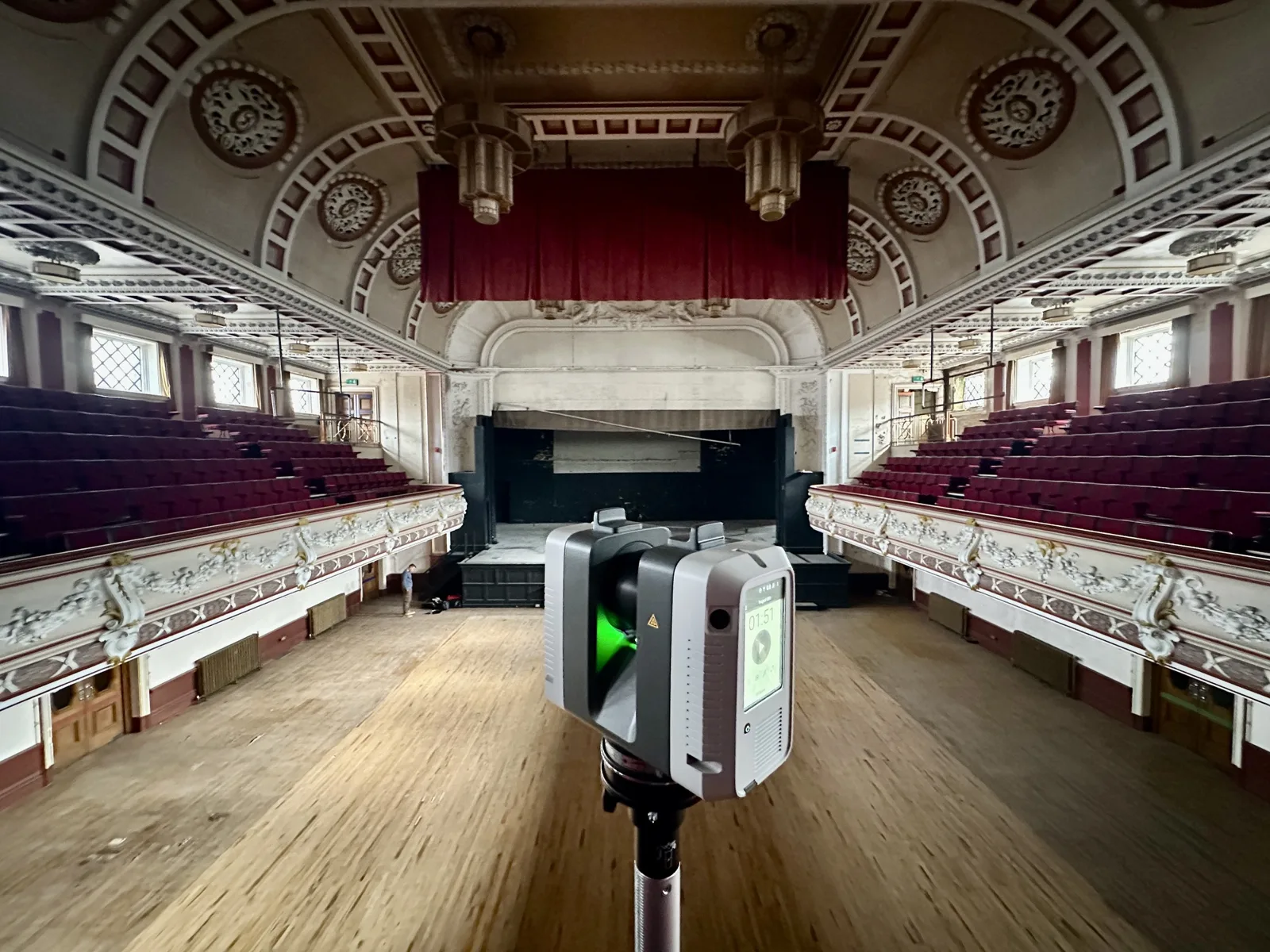
What I find particularly impressive about Artec Ray II is the detail it captures when it’s positioned close to a surface. It recorded the ornate bas-relief on the balcony fascia exceptionally well, while also capturing the intricate ceiling from 20 to 30 metres away.
From 40 scans to one model
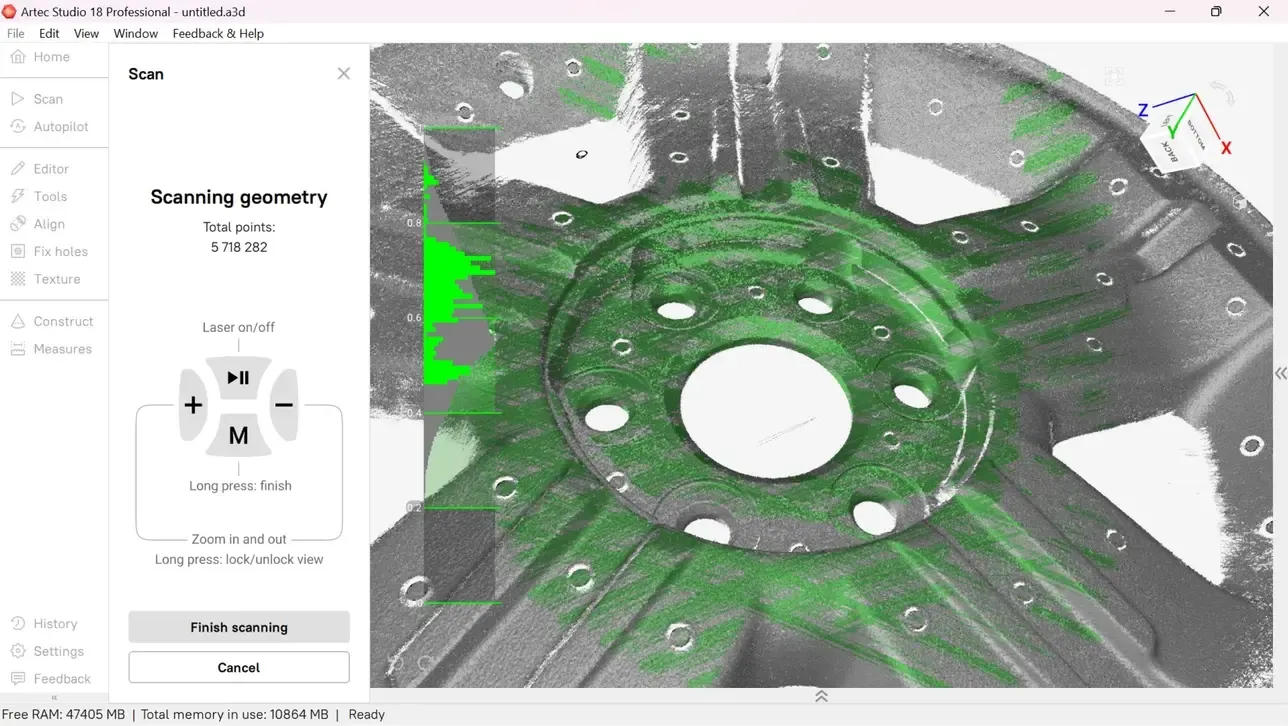
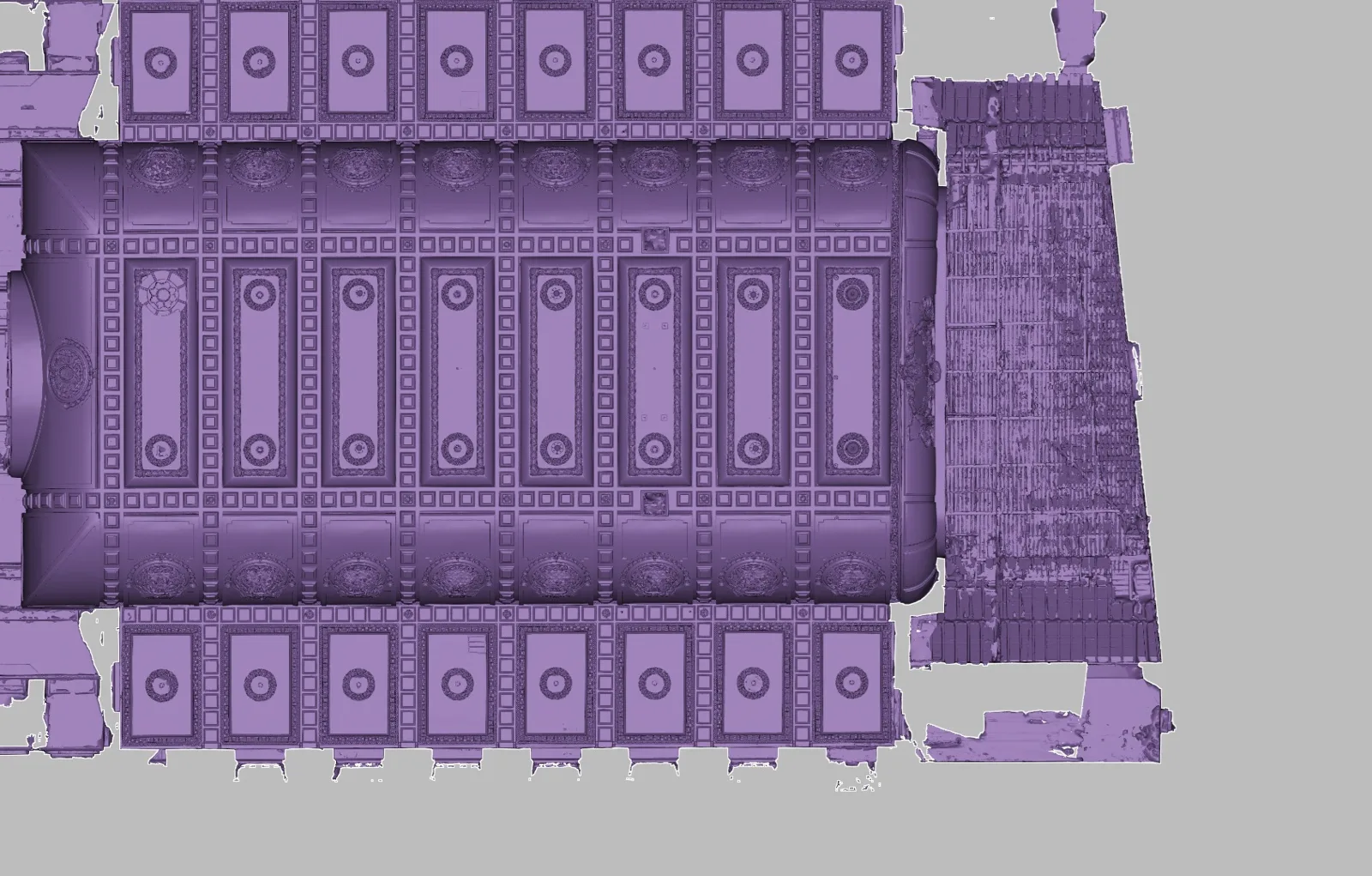
Back in the office, Mark checked and refined the registration in Artec Studio, removed unwanted data and merged the scans into one consistent dataset. From that came a registered point cloud for the engineers. A full-colour mesh of 39.8 million polygons followed for everyone else.

Who uses the data
Architects. A team in London built the renovation's building model in Autodesk Revit from the point cloud.
Acoustic engineers. The consultants tune the auditorium in simulation, testing how panel shapes change the sound before anything is fitted.
Fundraisers. The model went into Twinmotion as a VR tour. Visitors at the opening of the Lemmy Bar, local MPs and radio presenters among them, toured the theatre in a headset.
The council and Historic England. The scans helped secure the lease on the building.
The scans have already paid their way. A drone scan of the roof found water getting in that would have caused around £30,000 of damage within three months. The pictures posted online also caught the eye of the producers of the Peaky Blinders sequel series, who went on to film in and around the theatre.
You can put a VR headset on, sit wherever you like in the theatre, and an audio engineer will tell you how the audio is in a particular seat.
Inside the theatre
One of our team flew a drone through the auditorium during the survey.
Where it started: Lemmy's statue
The theatre was not our first job in Burslem. Andy's statue of Lemmy drew such a crowd at its unveiling that a limited run of miniatures for fans followed. We scanned the statue with an Artec Leo, scaled the model down and printed the statuettes in nylon on HP Multi Jet Fusion. They are painted by hand to match the bronze. Sales through the local business IFK Legacy help fund the theatre.
Next time: Ray II with Jet
With hindsight, Mark would pair the Ray II with an Artec Jet. The Ray II is ideal for the auditorium. The Jet maps on the move, so it is quicker in the tight corridors and stairwells where a tripod has little line of sight. Together they give a faster, more complete dataset.
Got a building to capture?
We scan buildings, plant and sites for restoration, scan to BIM and acoustic or VR work. See our laser scanning and reality capture service or how we make a digital twin for you. Want to build twins in-house? Artec Twins is the software for merging and exploring site-scale scans.