.svg)



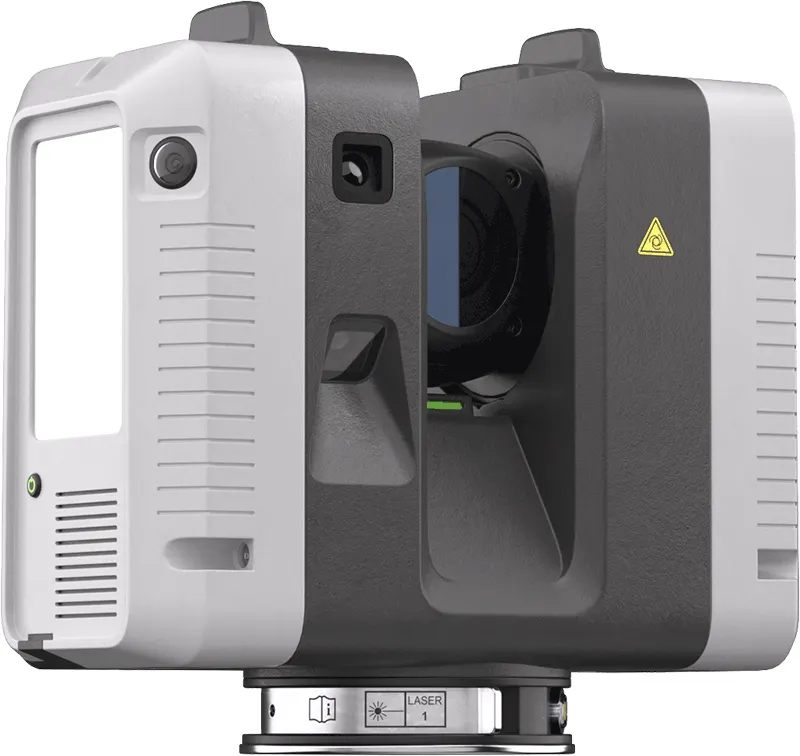


The latest 3D technologies have been used to unlock the secrets of the 1000 year old London Stone that’s currently on display at the Museum of London Archaeology (MOLA). The name “London Stone” or “Londenstane” was first recorded in around the year 1100, although the date and original purpose of the Stone remain a mystery it is often referred to as a ‘the protector of London’.
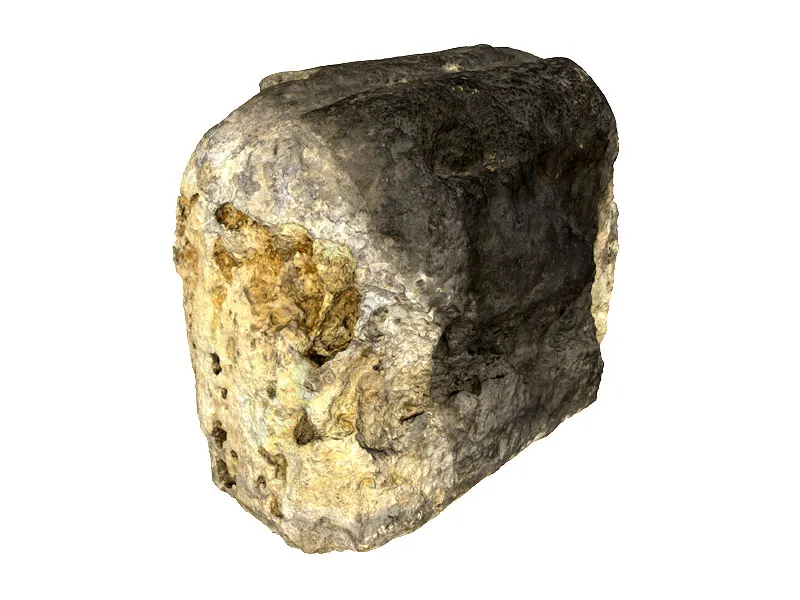
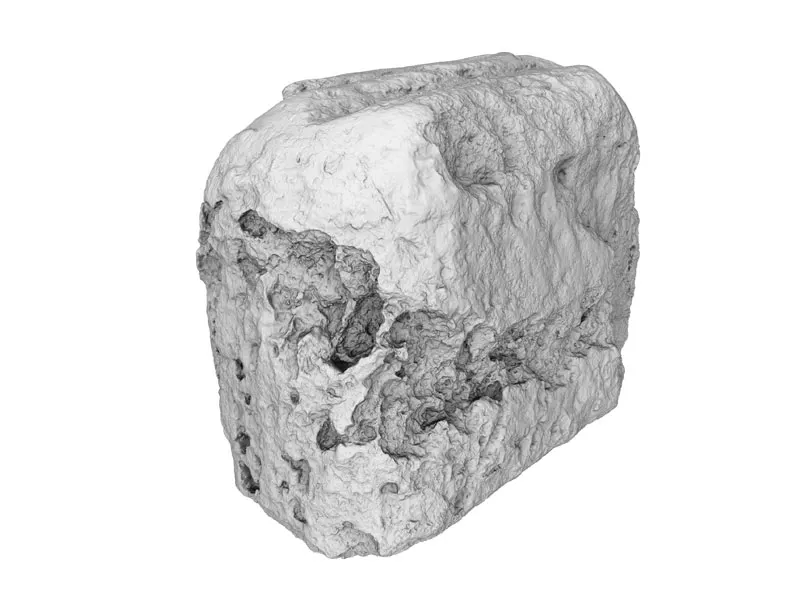
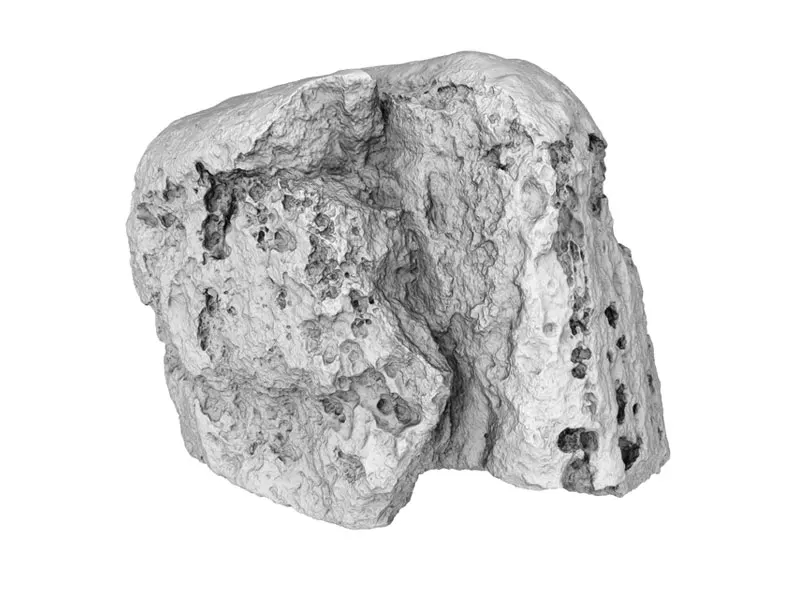
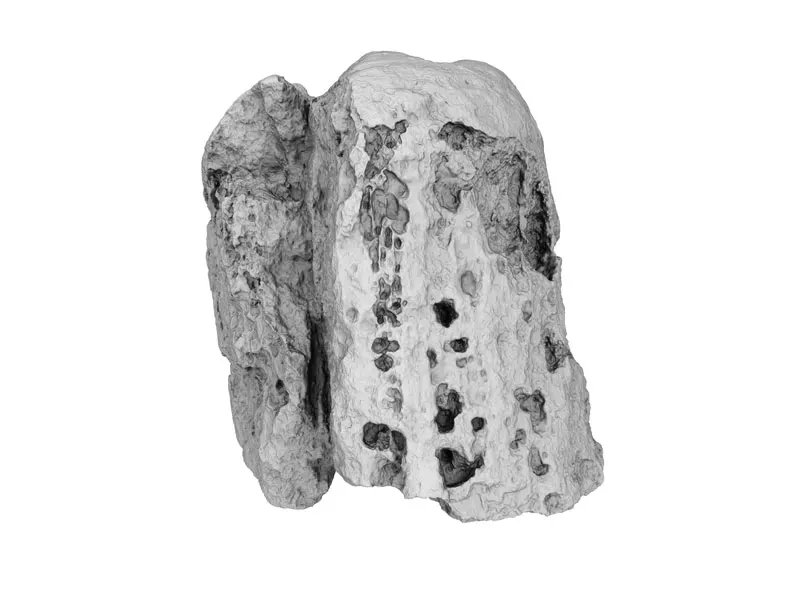
The stone is believed to be of Roman origin however it has been surrounded by interest and speculation about it since at least the 16th century. To help answer questions, Europac 3D, was approached to create a full 3D scan of the famous stone as part of the Museum of London Archaeology (MOLA) 20-month exhibition.
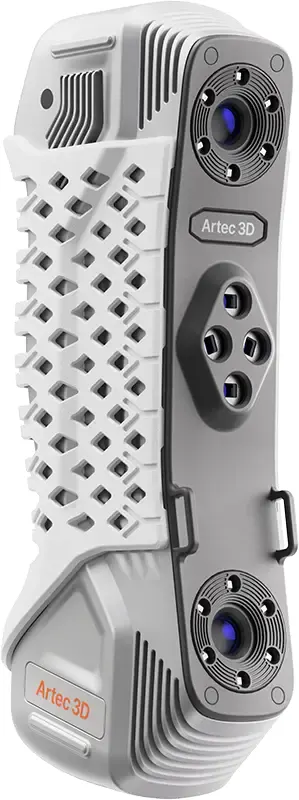
Artec Space Spider
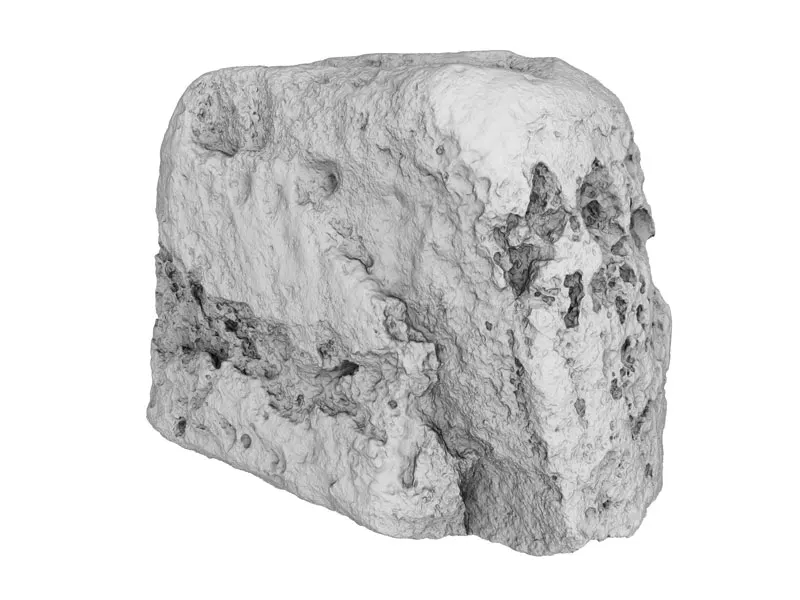
The detailed scan was made using the Artec Space Spider which is a remarkably portable device, perfect for getting deep into the deep dark vaults of the MOLA museum. The Space spider was also particularly adept for the task in hand, as it can capture tiny points as little as 0.1mm while at the same time capturing in full glorious colour. The scan of the stone revealed several man-made carvings, one of which is believed to have been made when Jack Cade entered London ahead of a rebellion against King Henry VI, he symbolically struck the Stone with his sword to claim lordship of the City.
The scan of the stone, which was able to pick up detailed markings of less than the width of a human hair exposed a range of markings and textures that the stone had accumulated over the years due to weathering and events in time. The scan was captured using Artec Studio software whereby multiple ‘chunks of data’ were collected and then registered together using a ‘best fit’ algorithm which could then be used to create the full, detailed 3D image of the precious London Stone.
Digital Archiving
The 3D scan of the stone has also helped ensure that there is always a ‘digital backup’ that could be turned into a full-size, exact 3D replica of the stone if needed. Miniature versions of the stone have also been 3D printed as part of the exhibition so that everyone can feel protected by the stone in the future in the same way the stone has protected London for years.
Mark Beckett, Technical Director at Europac 3D, comments: “It’s exciting to be using the very latest technologies to investigate the origins and purposes of the historic London Stone. Having recorded the details, archeologists are now able to closely examine the details and markings on the stone to better understand its history. It has also allowed the exact measurements and details to be recorded for future reference and prosperity.”
The London Stone was resting in Cannon Street, London before its removal for examination. The stone is believed to be only the upper portion of a once much larger object. The surviving portion is a block of clipsham limestone is approximately 53 cm wide, 43 cm high, and 30 cm front to back as is believed to have originated in Rutland before being transported to London for building purposes.