.svg)
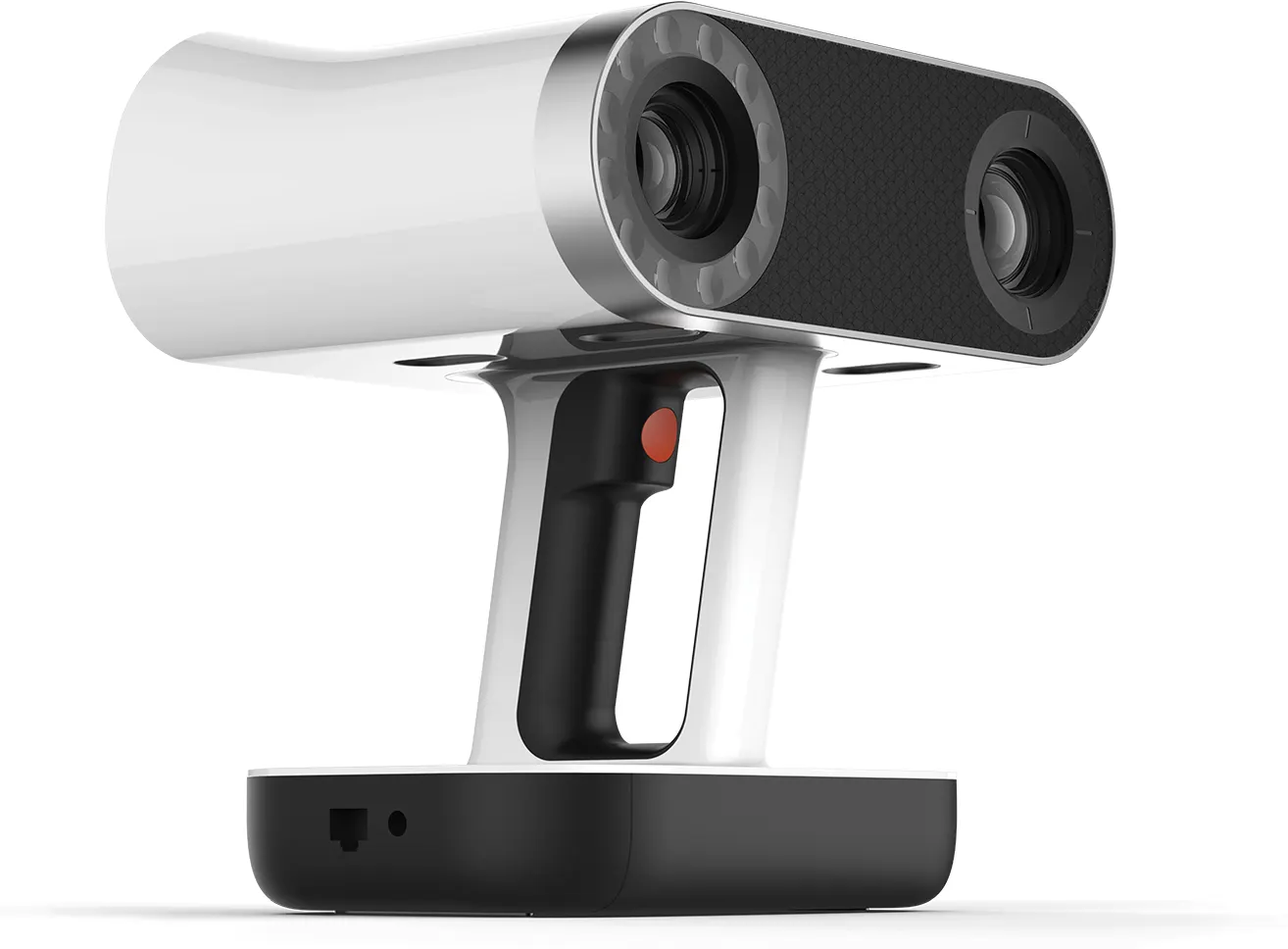
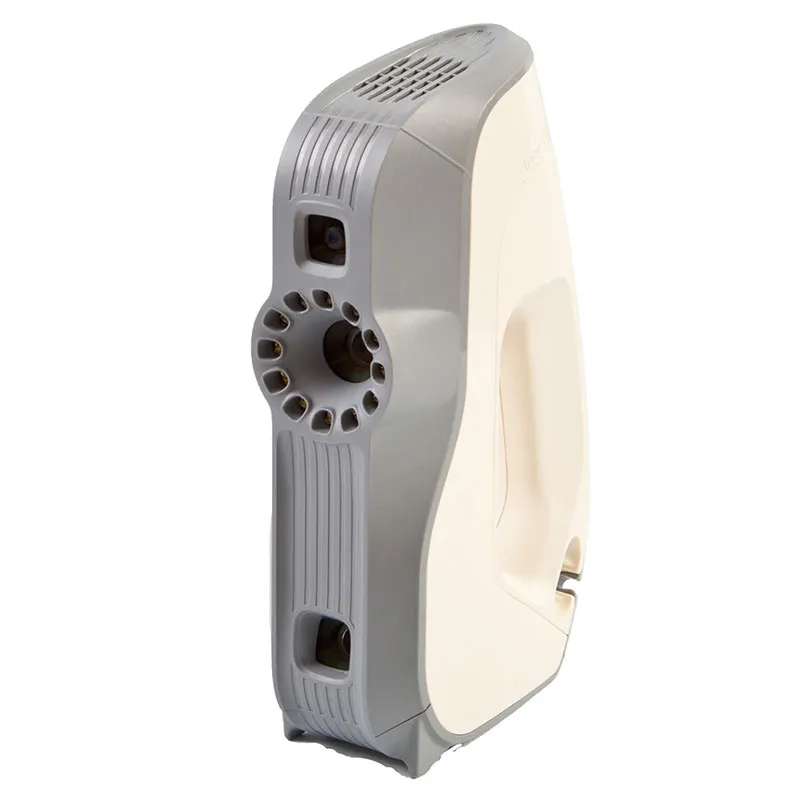
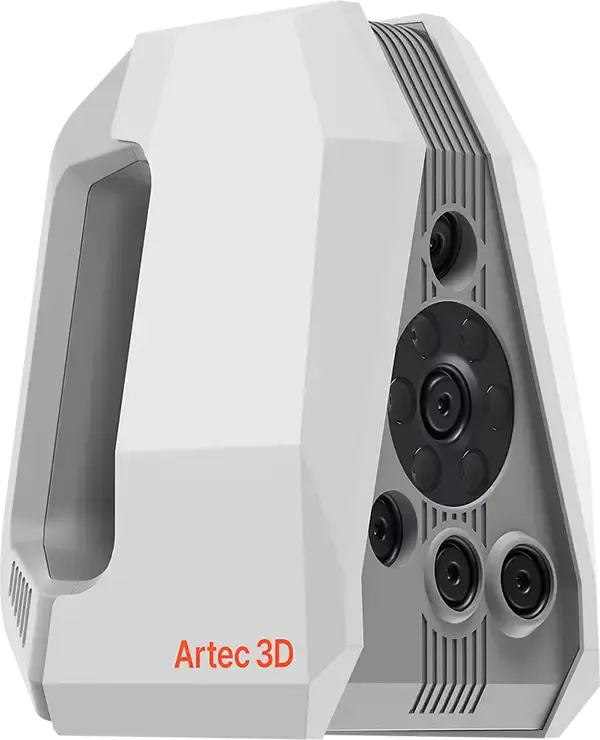
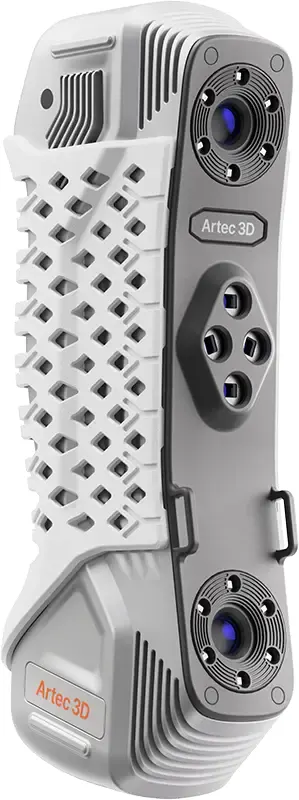
A digital twin starts with capture. We scan the asset — a machine, a line, a whole facility — and deliver the geometry your twin platform builds on, at the accuracy the use case actually needs.
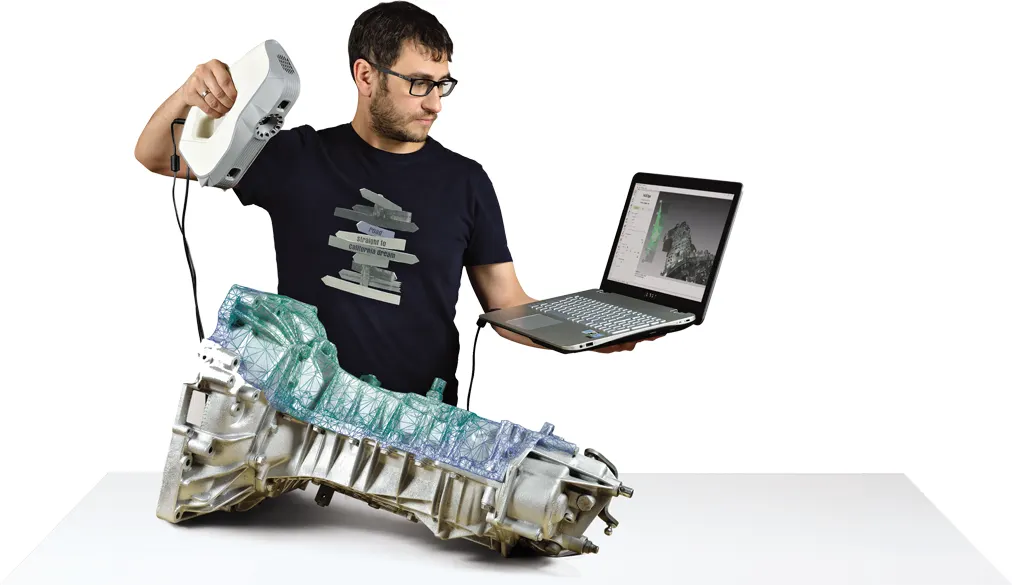
Equipment and line capture with Leo
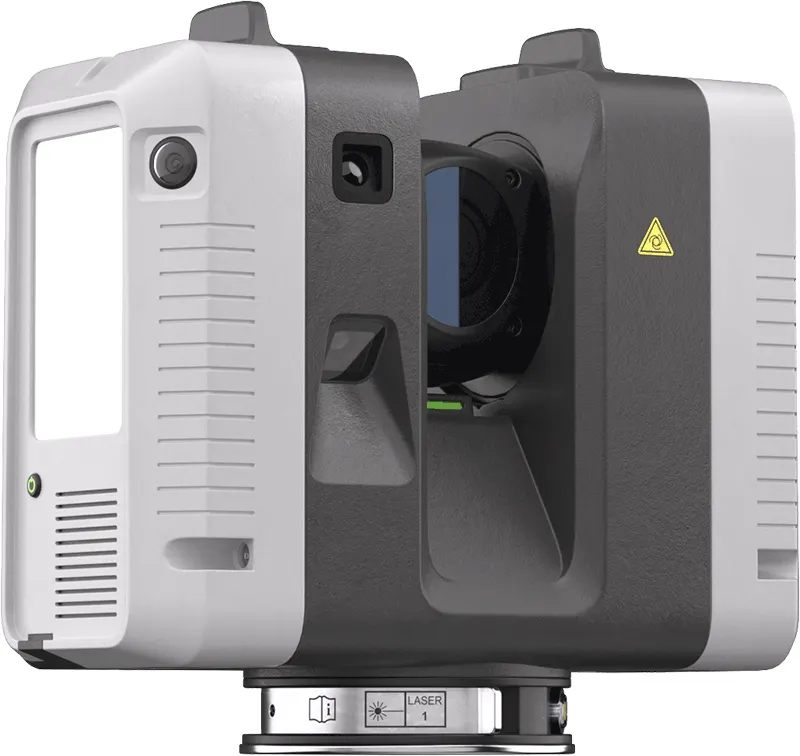
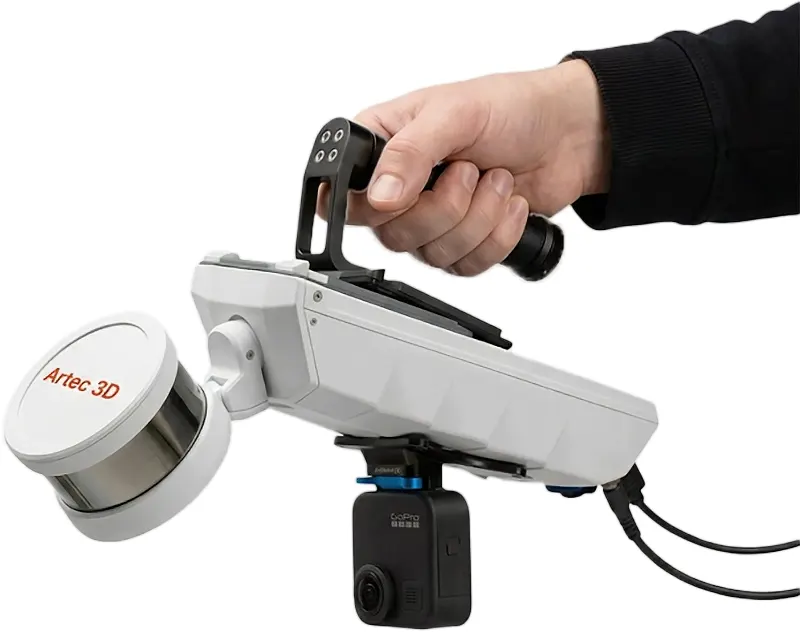
Facility context with Ray II and Jet
Meshed, decimated, simulation-ready outputs
Tell us what the twin is for — monitoring, simulation, training — and we will spec the capture to match.
Where the capture fits
A twin is only as good as its geometry, and geometry is the part most projects underestimate. Drawings are wrong, the plant has been modified twice since, and nobody kept the changes. Scanning gives the twin a measured starting point instead of an assumed one.
What we hand over
Registered point clouds in E57, LAS or RCP, georeferenced against your control where you have it
Meshes decimated to a target polygon count, so the platform can actually load them
Equipment captured separately from its surroundings, so a machine can be moved in the model
How the machine gets chosen
Artec Leo for equipment and lines, where you want detail and colour and you are walking round the asset. Artec Ray II for the room the equipment is in — long range, survey-grade, from a tripod. Artec Jet where the site is too big to stand still in and mobile capture at walking pace is the only way to finish in a shift. Most projects use two of the three.
Tell us what the twin is for — condition monitoring, simulation, operator training, clash-checking a retrofit — and we will spec the capture to match, because a twin built for training does not need the accuracy one built for simulation does, and paying for it anyway is the usual way these projects overrun.