.svg)
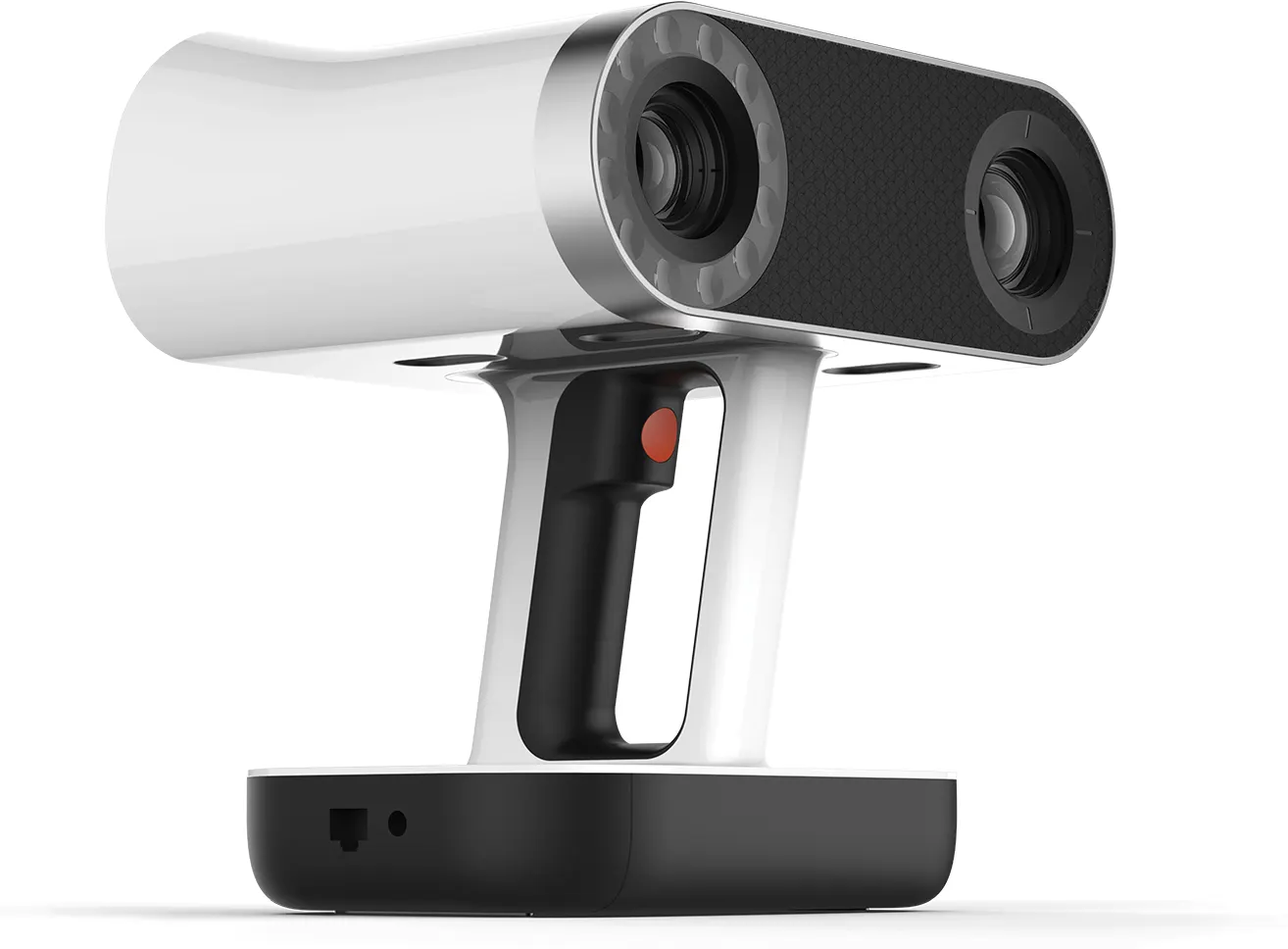
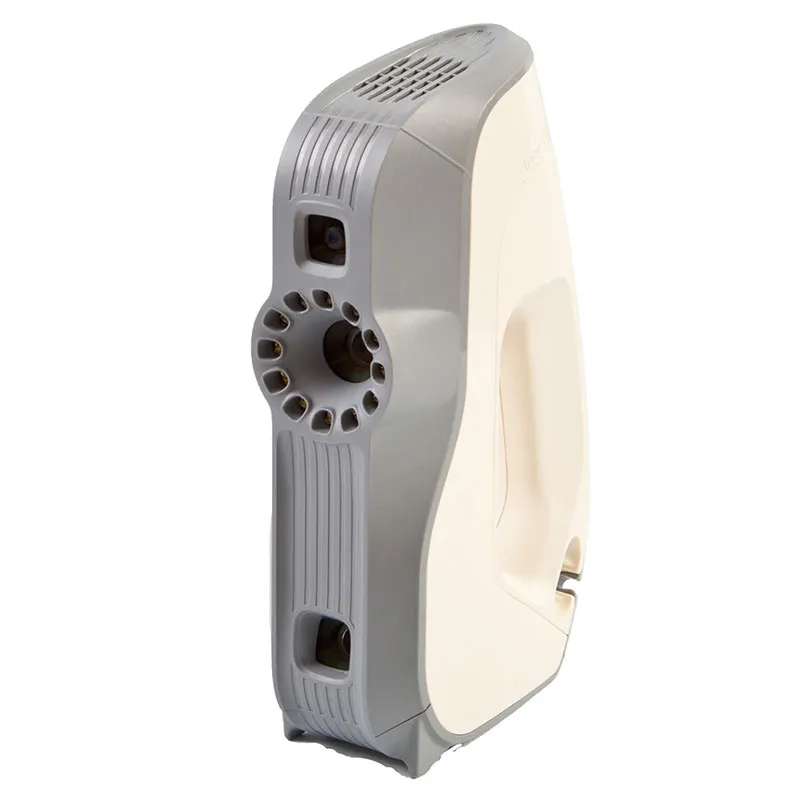
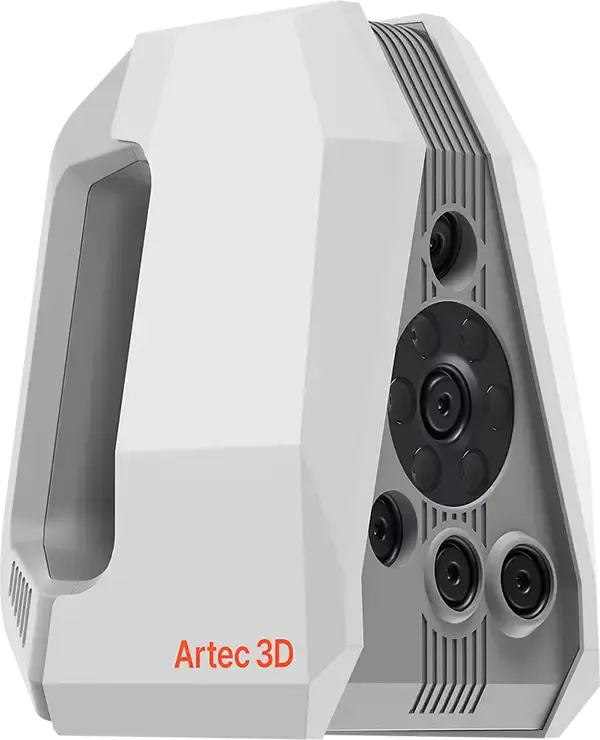
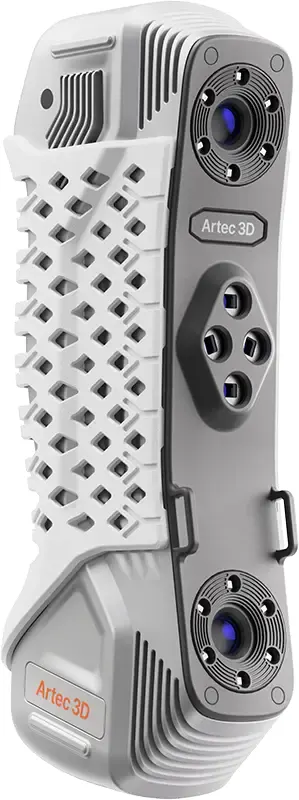
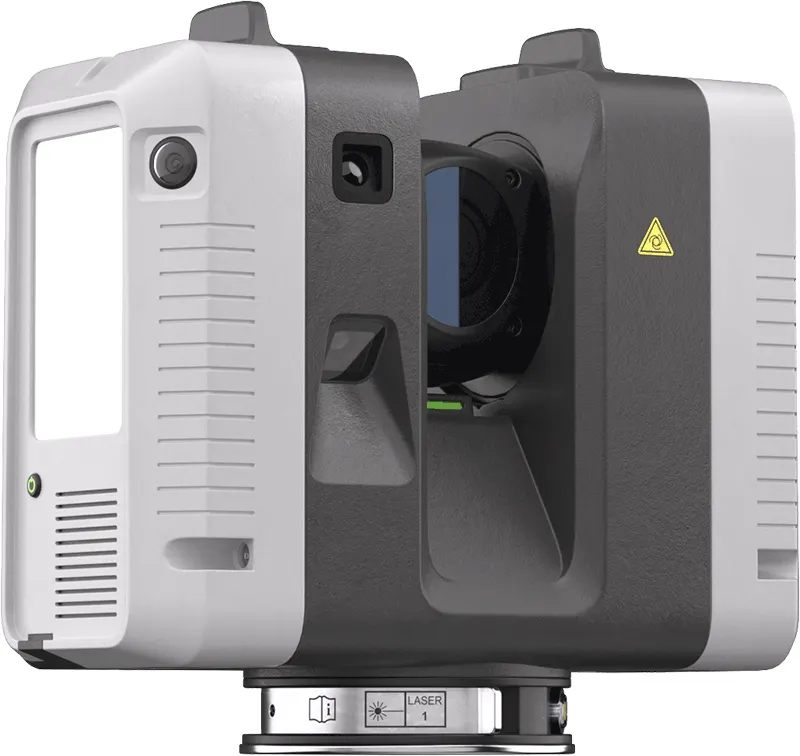
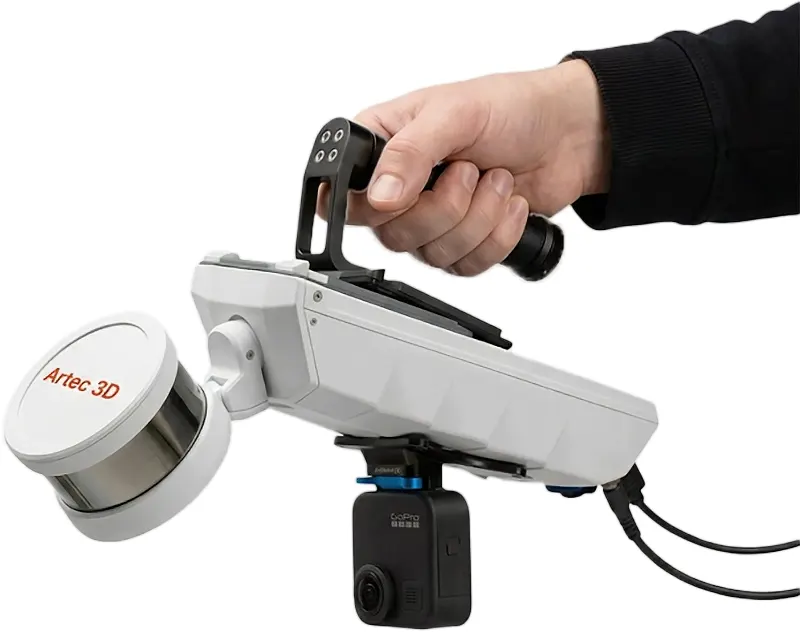
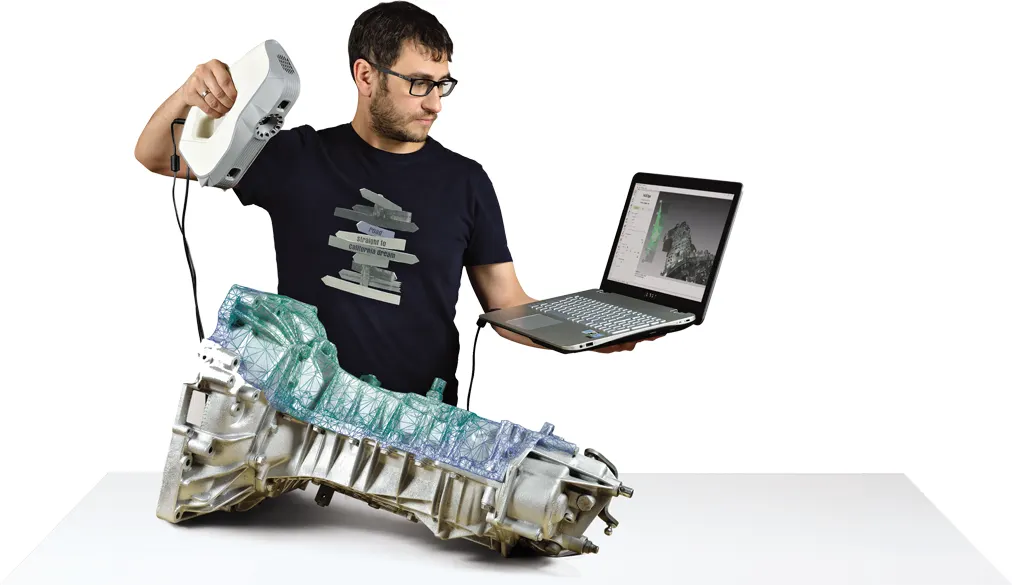
Some jobs end in 2D: a wrap panel, an upholstery pattern, a template. Flattening software turns captured 3D surfaces into accurate 2D patterns, with the distortion controlled instead of discovered at the cutter.
Our pick here is WrapStyler — it does this one job properly, on data from any of the Artec scanners.
Vehicle wrap templates, panel by panel
Upholstery, covers and canopies from real shapes
Templating for fabrication and signage
Ask for a demonstration with one of your own parts.
What flattening actually does
A 3D surface is not developable — you cannot lay a car bonnet flat without it tearing or bunching, any more than you can flatten an orange peel. Flattening software works out where to put the relief and how to distribute the distortion so the printed pattern still fits the object it came from. Do it by eye and the panel is a centimetre out at the edge; do it properly and it goes on first time.
What you get out
DXF and AI patterns, scaled 1:1 and ready to cut
Seam and dart placement you control rather than accept
A distortion map, so you can see where the compromise landed before you cut material
Where it pays for itself
The maths is the same in every trade that wraps a flat material round a curved thing. Vehicle wrapping is the obvious one, but the same job turns up in upholstery, marine canopies, signage, protective covers and composite lay-up — anywhere somebody is currently making a paper template by hand and throwing away the first two attempts.
It runs on data from any of the Artec scanners, so the capture side is whatever you already have. If you do not have a scanner, we can capture the object for you and hand back the patterns.