.svg)
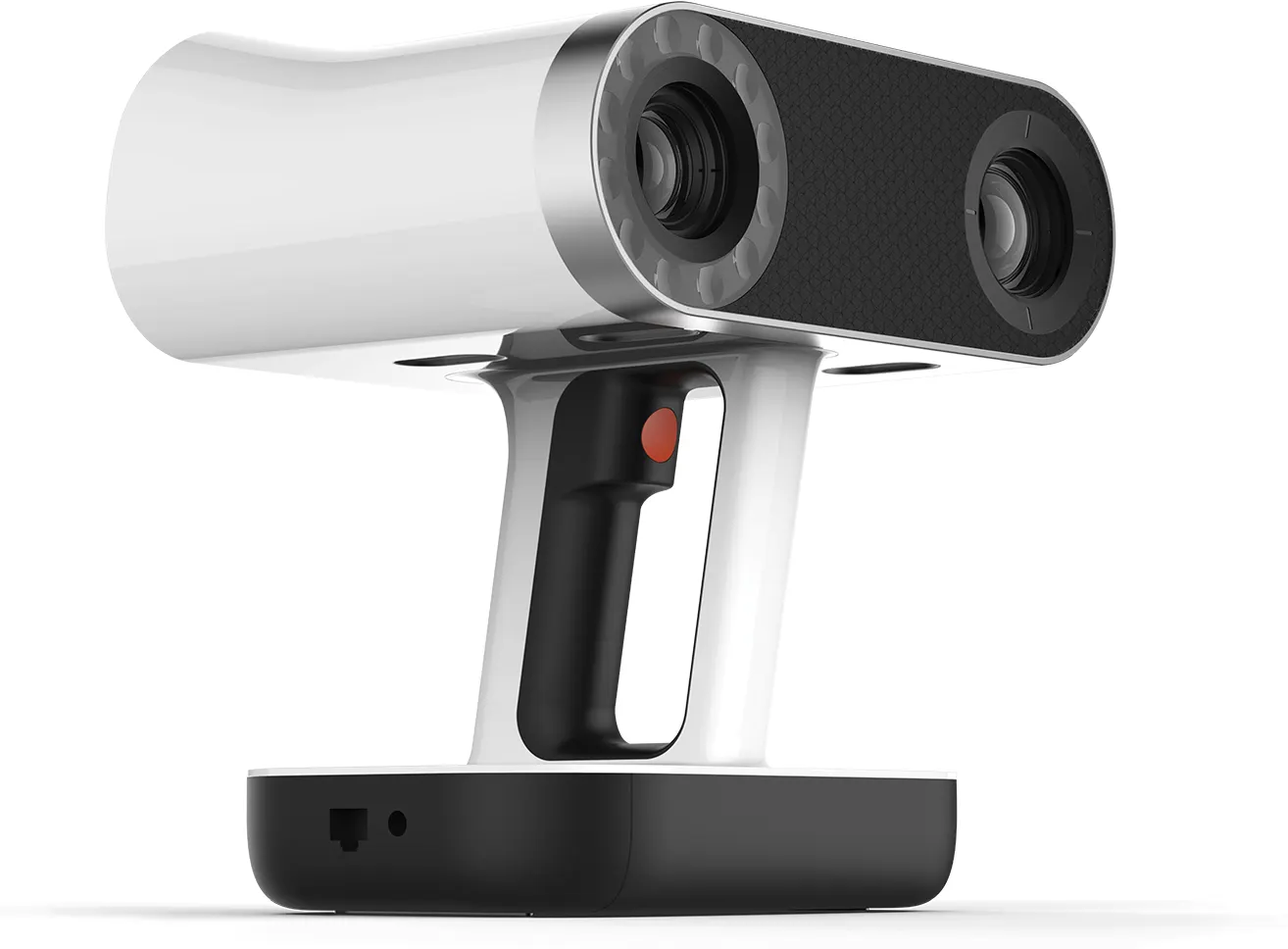
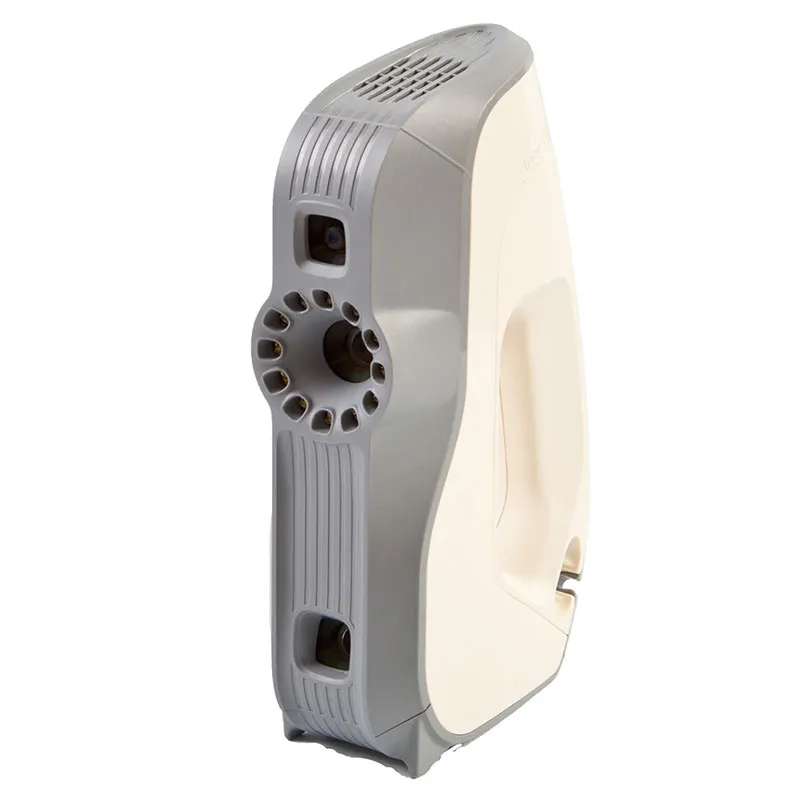
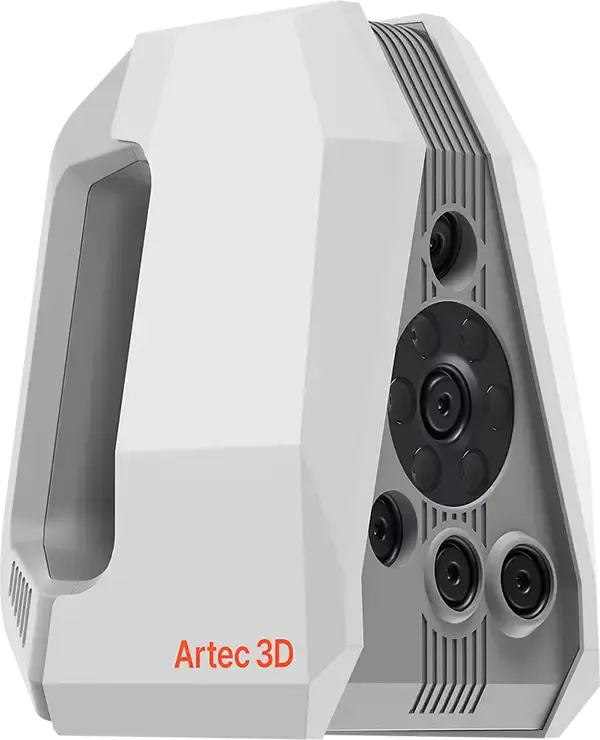
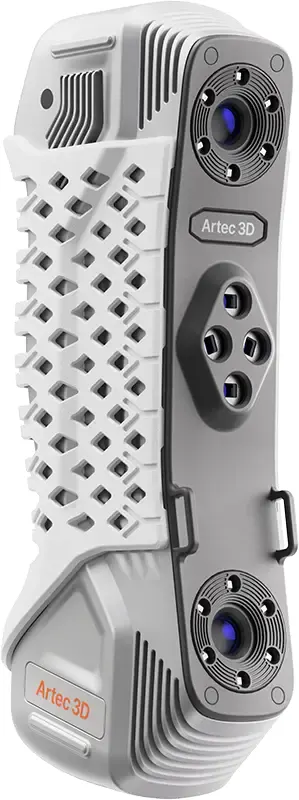
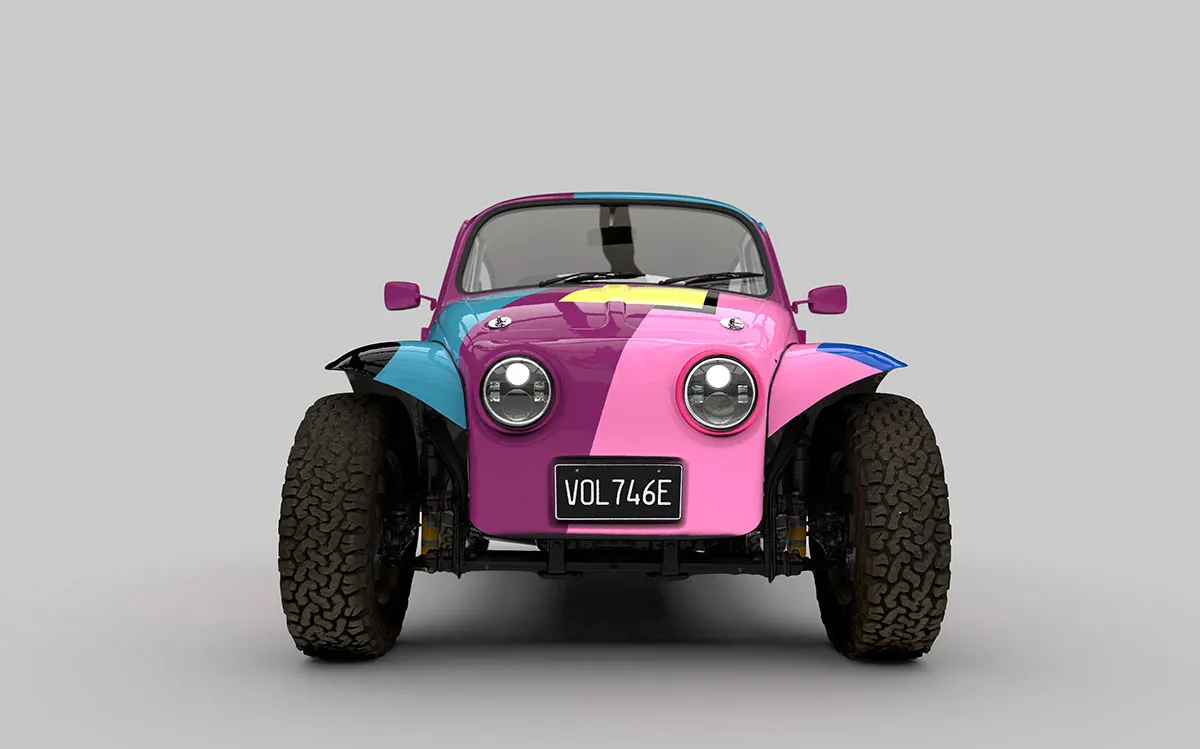
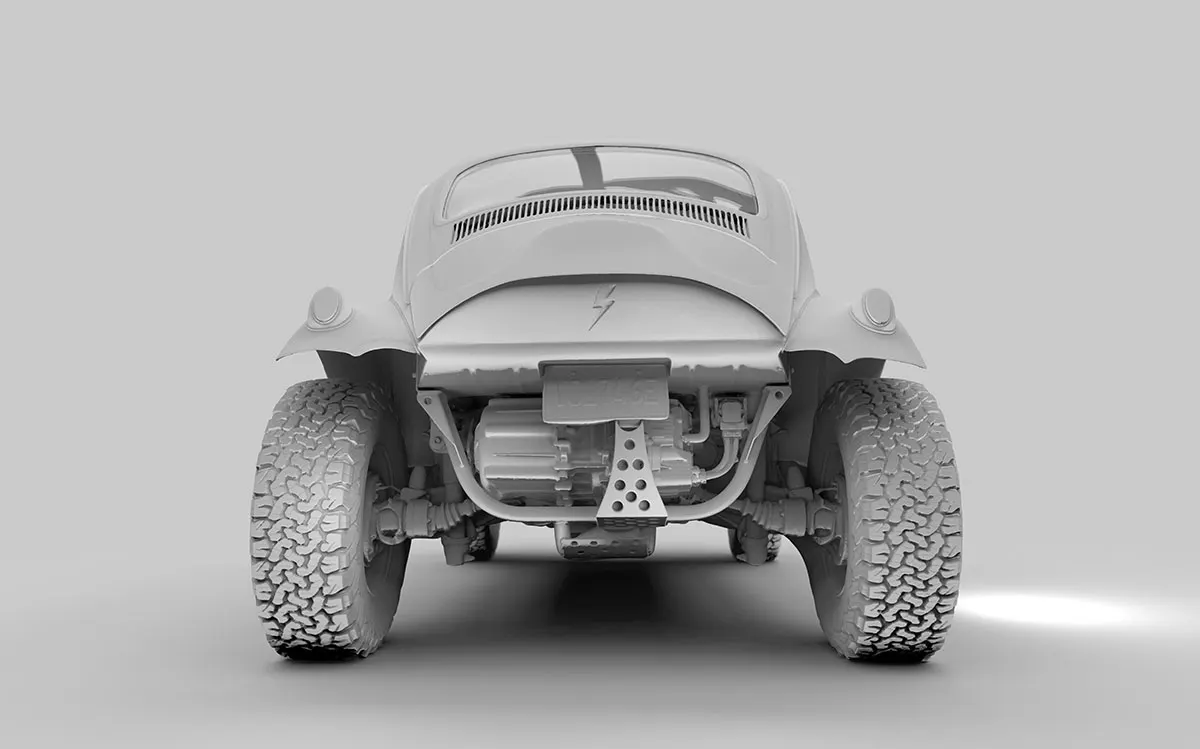
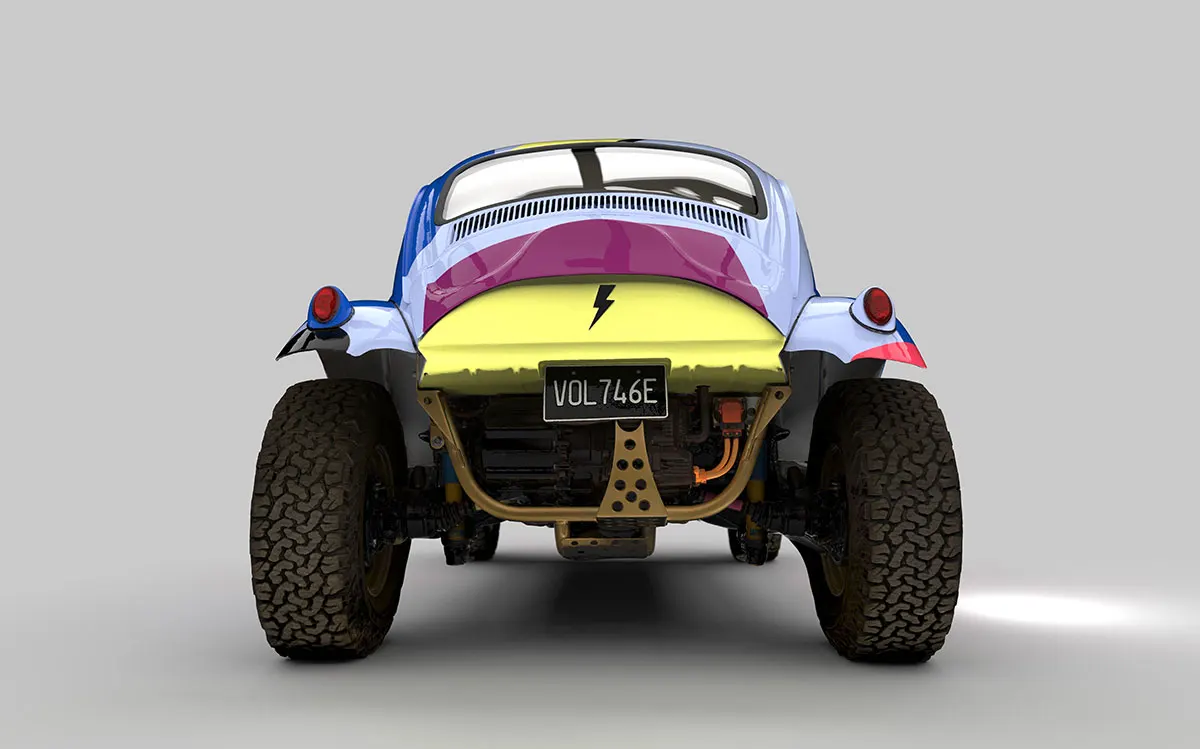
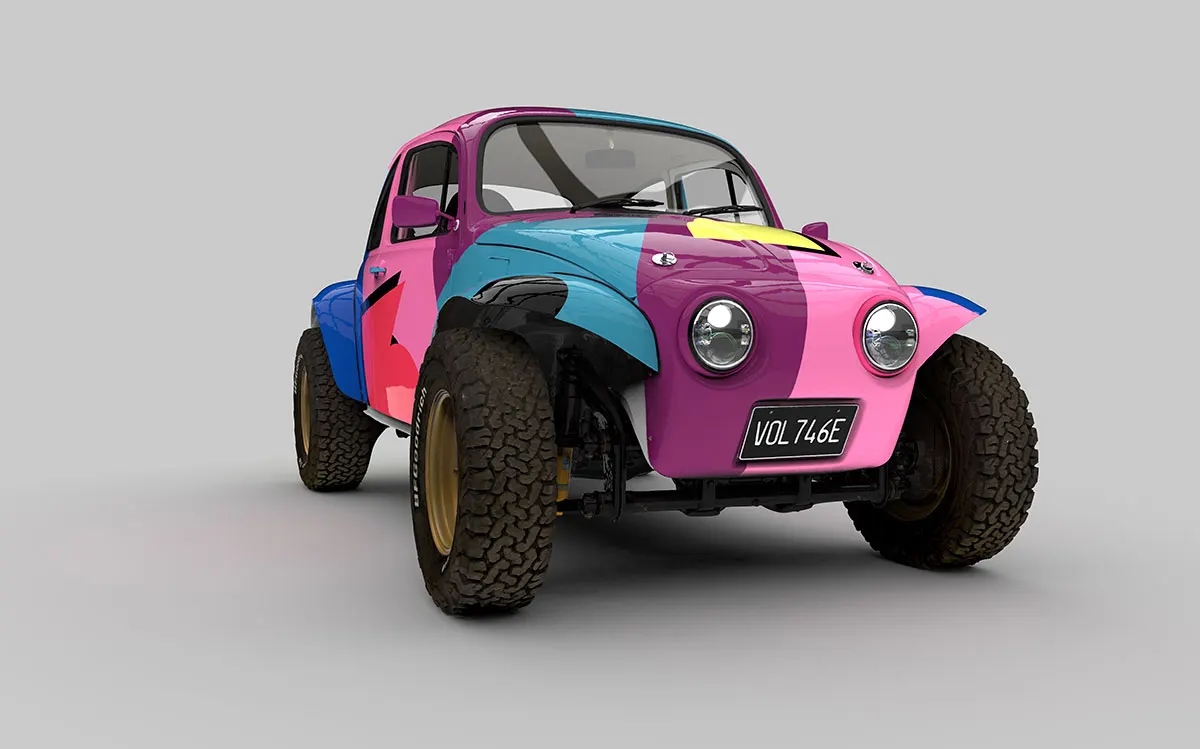
The 3DPrintworx-Europac3D team recently received an intriguing project to perform a 3D scan of a VW Baja Bug and create a precise 3D digital twin for various downstream applications, including 3D rendering and CGI. Although most vehicle surfaces have relatively simple curvature and complexity, scanning a vehicle remains a challenging task.
One of the primary difficulties involves accessing certain hard-to-reach areas, such as the front grill, brake pads and discs, wheel arches, headlights, and windscreen wipers, among others. These intricate components pose significant challenges during the scanning process.
Moreover, the sheer size of the car presents another obstacle. Most cars being around 4 to 5 meters in length, it becomes challenging to scan them quickly and efficiently, particularly with the limitations of most industrial 3D scanners available in the market that are not well-suited for handling larger volumes. This complexity adds to the difficulty of achieving comprehensive scans.
As if these challenges weren’t enough, the client also requested the internal areas of the car to be scanned, introducing another layer of difficulty due to restricted accessibility and numerous obstructions hindering the complete capture of the car’s internal structure.
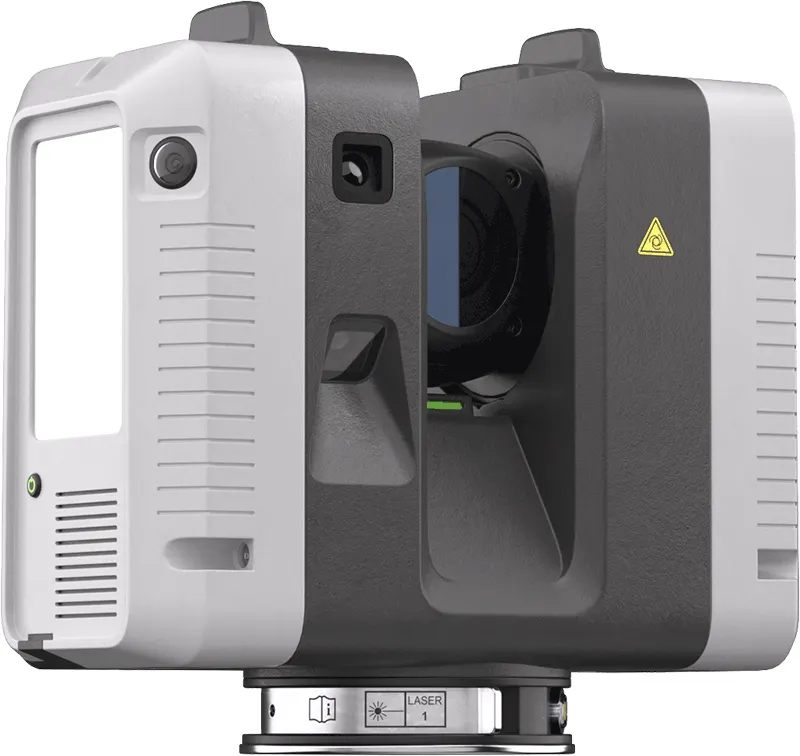
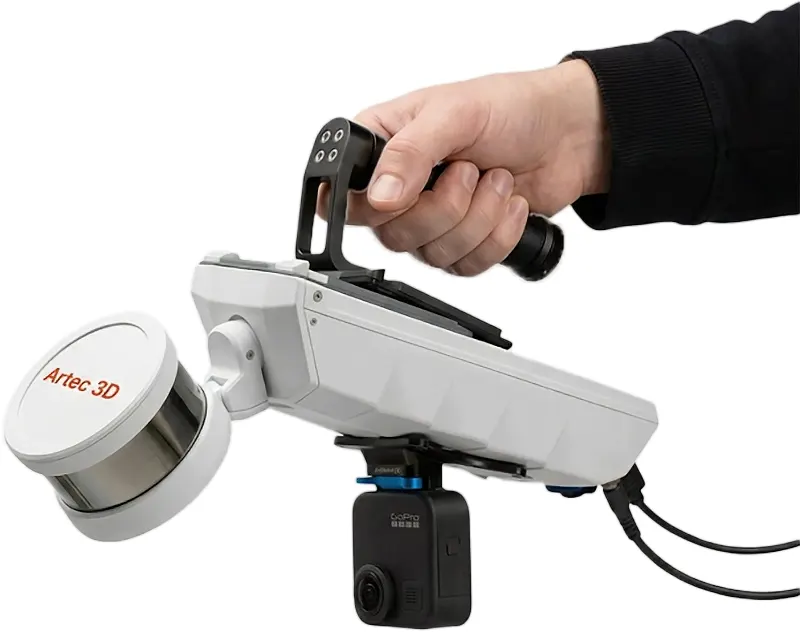
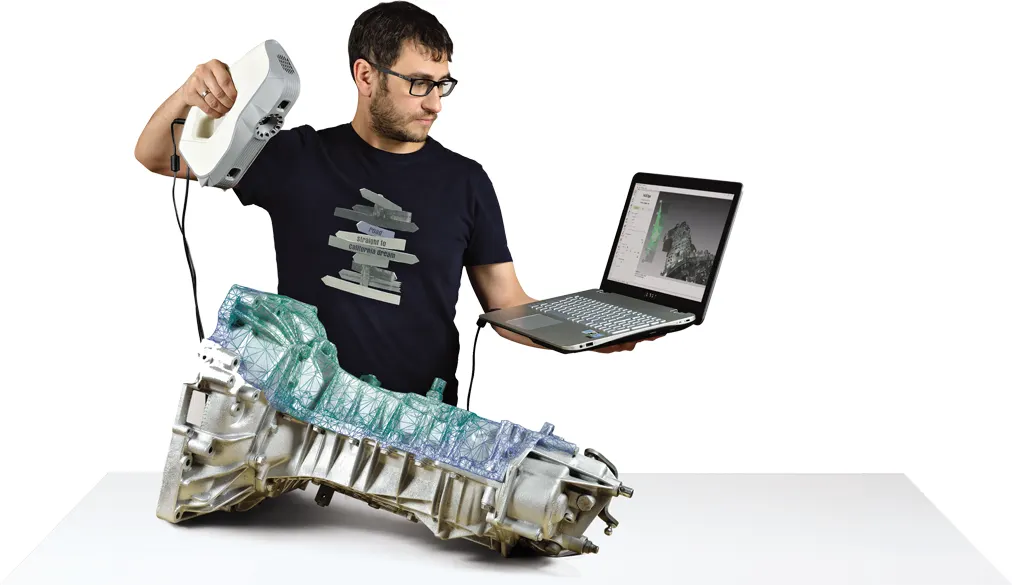
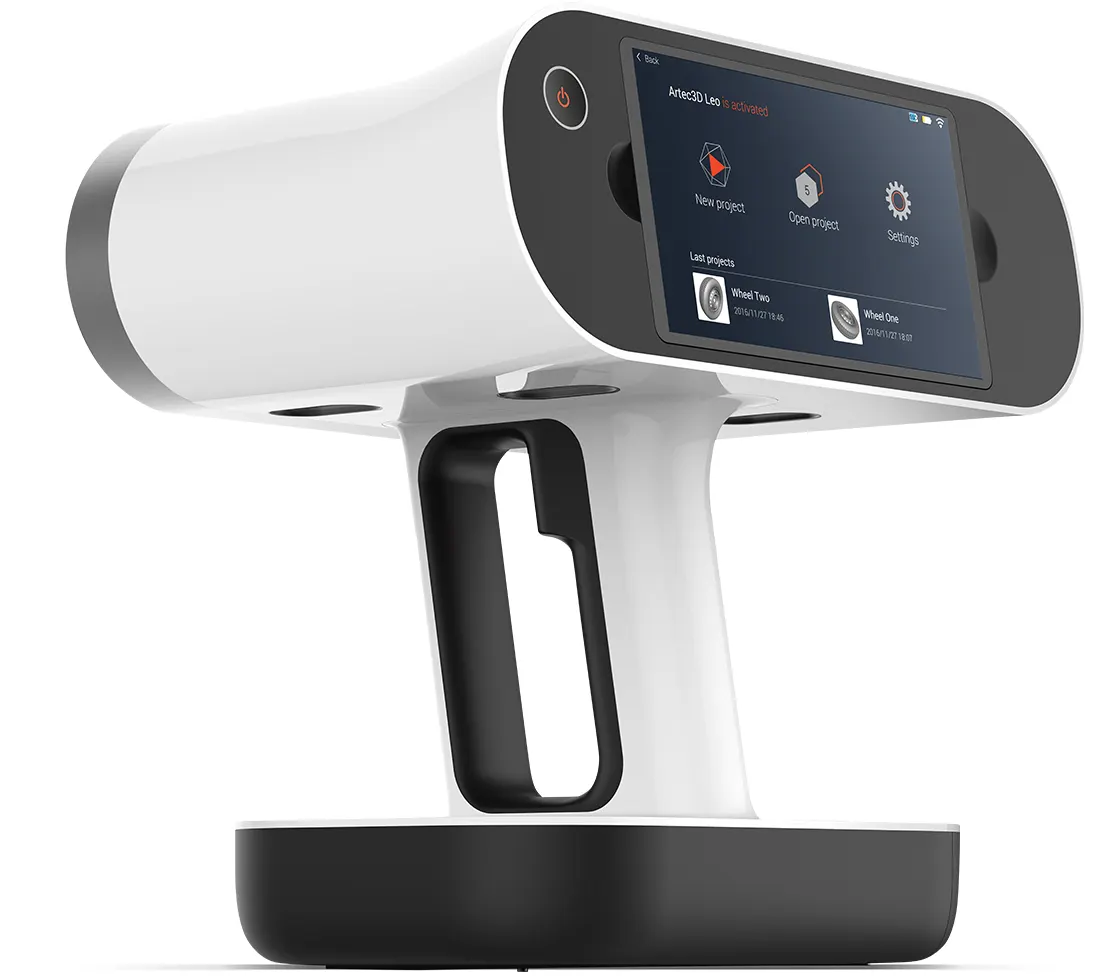
However, the team at 3DPrintworx was determined to overcome these obstacles and deliver an accurate and high-quality 3D digital twin of the VW Baja Bug to meet the client’s needs and expectations. For this task, the Artec Leo, the world’s first wireless and AI-driven 3D scanner, was chosen, further enhancing the efficiency and accuracy of the scanning process.
WHY ARTEC LEO?
The Artec Leo 3D scanner offers several advantages that make it a popular choice among professionals in various industries. Some of its key advantages include:
Portability: One of the standout features of the Artec Leo is its portability. Being a handheld scanner, it allows users to move freely around the object they are scanning without the need for external tracking equipment. This portability makes it highly versatile and suitable for on-site scanning, especially for large objects or in challenging environments.
Wireless Scanning: The Artec Leo is a wireless 3D scanner, which means it operates without the need for cables or wires connecting it to a computer or power source. This enhances its ease of use and mobility, enabling users to scan objects more efficiently and without getting tangled in cords.
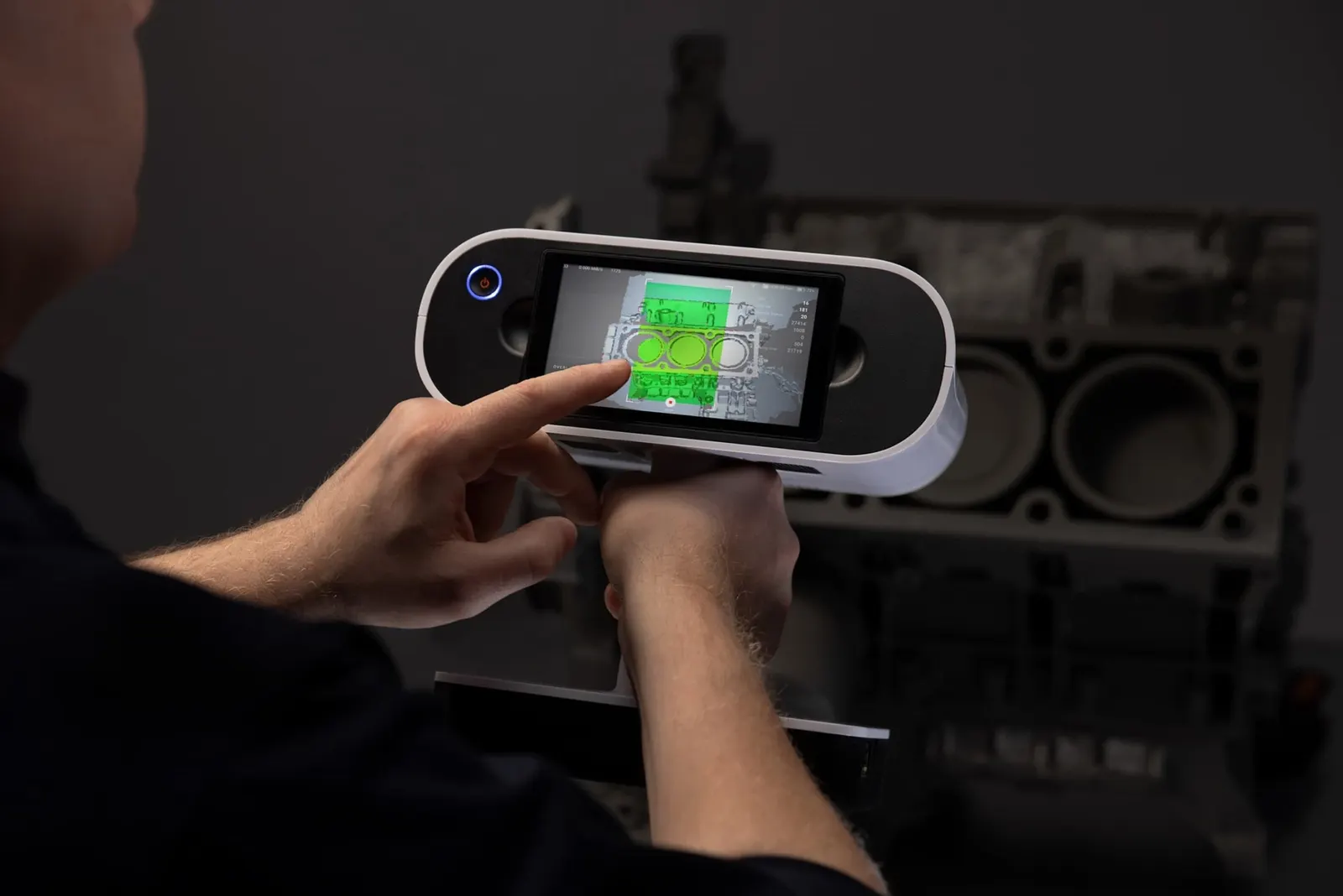
Real-Time Scanning: One of the most impressive advantages of the Artec Leo is its ability to provide real-time scanning feedback, with it’s built in NVIDIA Jetson TX2 processor. As you scan an object, you can instantly see the 3D model taking shape on the scanner’s built-in 5 inch touchscreen display. This feature allows for immediate adjustments and ensures that crucial data is not missed during the scanning process.
Interface: The scanner’s interface is designed to be intuitive and user-friendly, making it accessible even to those with limited 3D scanning experience. The touchscreen display and straightforward controls streamline the scanning workflow and reduce the learning curve.
AI-Powered Scanning: The latest HD Mode is driven by Artec AI, an exclusive cutting-edge neural engine. This advanced engine has been trained on meticulously chosen samples, enabling it to recognize familiar patterns, surface intricacies, and shapes. As a result, the Artec Leo 3D scanner can now reconstruct a significantly higher number of polygons per frame, leading to denser and higher-quality 3D data.
High Scanning Speed: The Artec Leo boasts high scanning speed up to 35 million points per second, allowing for rapid capture of object data. This is particularly advantageous when dealing with time-sensitive projects or when scanning objects with intricate details.
Versatile Scanning Capabilities: The Artec Leo is capable of scanning a wide range of objects, from small and intricate items to larger and more complex structures. It can be used in various industries, including engineering, manufacturing, art and heritage preservation, medical, and more.
High Quality Colour Capture: Leo incorporates cutting-edge technology to capture intricate texture details, adapt to varying lighting conditions, and achieve precise texture-to-geometry mapping. With its two-in-one optical system, integrated supercomputer on a module, 9 DoF position sensors, and VCSEL light technology that enables adjustable flash intensity, the scanner stands at the forefront of innovation.
Overall, the Artec Leo 3D scanner’s portability, wireless operation, real-time scanning feedback, user-friendly interface, AI-powered technology, high speed, and versatile scanning capabilities make it a powerful and reliable tool for professionals in need of accurate and efficient 3D scanning solutions.
The Process of 3D Scanning a Vehicle
The process of 3D scanning a car with the Artec Leo handheld scanner involves several steps to ensure accurate and detailed data capture. Below is an overview of the typical workflow for scanning a car using the Artec Leo:
Preparing The Car
Prepare a suitable environment: Prior to commencing the scanning process, proper preparation of the car and its surroundings is crucial. Ensuring ample space for easy maneuvering without any unnecessary obstacles or proximity to walls is essential. While scanning outdoors is an option, for accurate color capture, a cloudy day is preferred to optimize the conditions.
Prepare Shiny And Clear surfaces: In certain cases, achieving consistent surface capture on extremely shiny surfaces requires the application of a dulling spray. At 3DPrintworx, the preferred choice is Attblime AB2, which creates a thin, 3-micron coating of white powder on the surface. Remarkably, this coating sublimates and vanishes completely after approximately 2 hours, eliminating the need for post-scanning wiping.A general guideline when using Leo is that it can effortlessly capture shiny metal surfaces; however, if the surface has a chrome-like finish or is entirely transparent, applying the Attblime spray becomes necessary to ensure a uniform and consistent surface capture.
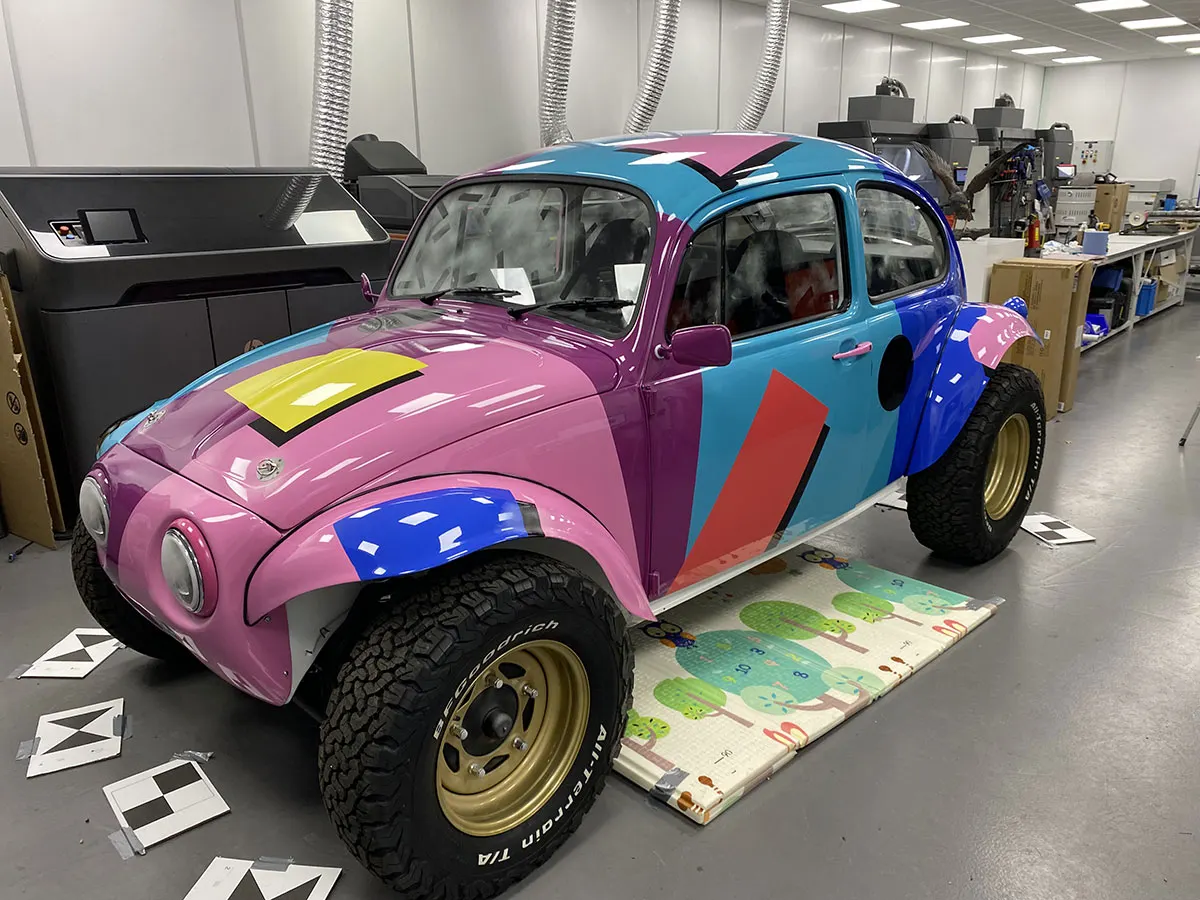
Additional Tracking Aids: The Europac3D team possesses extensive experience in scanning large and challenging objects, and over time, they have discovered that certain surfaces may require additional aids to assist the scanner in tracking and navigating. In the image below, you can observe masking tape applied to areas with low curvature, such as windscreens and bonnets. To enhance the scanning process, the masking tape is marked with a pen, providing additional contrast in the images. The scanner relies not only on geometry for navigation but also on the contrast in images. This additional information allows the scanner to precisely reference and align the images together. Additionally, you may observe baby crawling mats placed on the floor, providing extra geometry and contrast on low curvature areas.
The Process of 3D Scanning A Vehicle
Setting Up the Scanner: The Artec Leo handheld scanner is a portable device with a built-in touchscreen display. The first step is to power on the scanner and set up the necessary scanning parameters. This includes choosing the desired resolution HD or SD, scanning speed, and other settings based on the specific requirements of the scanning project.
Additional Calibration: Leo can be used right after switching on, without the need for calibration. However, for applications that demand the utmost accuracy, Leo can now be provided with an optional calibration board. The Calibration Kit allows users to fine-tune Leo’s parameters, effectively eliminating any calibration errors that may have occurred during regular use or shipping. This ensures that the scanner achieves the highest possible level of accuracy for critical scanning tasks.
Scanning The Car: With the settings configured, the scanning process can begin. The operator holds the Artec Leo and moves around the car, capturing its surface from multiple angles. The scanner projects a structured light pattern onto the car’s surface while simultaneously capturing color images with its cameras.
Data Post-Processing: Once the scanning is complete, the raw data is transferred to a computer for post-processing. In this step, the individual scans taken from different angles are merged and aligned to create a complete and accurate 3D model of the car. Artec Studio software is used to process the data, clean up any artifacts, and create a final, high-quality 3D triangulated mesh model in full color.
3D scanning a car with the Artec Leo handheld scanner involves careful preparation, accurate scanning, and detailed post-processing to create a precise and realistic 3D model of the vehicle. This technology has proven to be invaluable in various industries, including automotive design, visual effects for film and TV, digital documentation, and more.
3D Scanning For Gaming, Film CGI, Digital Twins and Marketing
The Artec Leo handheld scanner is an advanced 3D scanning device that has proven to be highly effective in various industries, including gaming, film and TV CGI, digital twins, and rendering marketing materials. With its state-of-the-art features and portability, the Artec Leo offers numerous advantages for capturing accurate and detailed 3D data of vehicles and other objects.
Gaming, Film and TV CGI
Artec Leo has become a valuable tool for the entertainment industry, especially in creating CGI vehicles for computer games and film work when there is no existing CAD data available. The 3D models created can be utilized by visual effects artists to create realistic and believable CGI versions of the vehicles, seamlessly integrating them into filmed footage or gameplay. Using 3D scanners for CGI can offer a number of advantages:
Realism: 3D scanning allows filmmakers to achieve an unparalleled level of realism in their CGI vehicles. The accuracy of the scanned data ensures that the digital counterparts blend seamlessly with the live-action elements.
Time Efficiency: While creating CGI vehicles from scratch can be time-consuming, 3D scanning significantly reduces the time required to model and texture the vehicles. This helps gamemakers meet tight production schedules.
Cost-Effectiveness: Despite the initial investment in scanning equipment and expertise, 3D scanning can be cost-effective in the long run. It eliminates the need to build physical models, which can be expensive, especially for complex vehicles.
Authenticity: Some films and computer games demand the use of real vehicles for authenticity. 3D scanning allows the preservation of specific details of the original vehicles, ensuring that they remain true to their real-world counterparts.
In summary, 3D scanning vehicles for film and gaming has revolutionized the way filmmakers incorporate realistic digital vehicles into their productions. This technology continues to advance, providing even more accurate and detailed representations, further enhancing the visual storytelling experience for audiences worldwide.
With high-quality resolution and color capture capabilities, Artec Leo can accurately reproduce the intricate details of the vehicle’s surface, providing visual effects artists with a comprehensive 3D model to work with. The scanned data can then be seamlessly integrated into the film or game, resulting in CGI vehicles that look incredibly realistic and indistinguishable from their real-world counterparts.
Digital Twins
Artec Leo’s versatility extends beyond the entertainment industry, making it an ideal tool for creating digital twins of vehicles and other objects. A digital twin is a virtual replica that mirrors the physical object in real-time or near-real-time, and it is commonly used for various purposes, such as maintenance, simulations, and monitoring.
By scanning vehicles with Artec Leo, businesses and organizations can create accurate and detailed digital twins of their fleet or assets. These digital twins can be used to monitor the condition of the vehicles, conduct virtual inspections, and simulate various scenarios without the need for physical interaction. This technology has proven to be invaluable in industries like automotive, aerospace, and manufacturing, where having a precise representation of real-world assets is critical for decision-making and optimization.
Rendering & Marketing Materials
In marketing and advertising, visual appeal plays a significant role in capturing the audience’s attention and driving sales. Artec Leo’s high-resolution scanning capabilities make it an excellent tool for capturing 3D models of vehicles for use in rendering marketing materials.
Whether for brochures, websites, or promotional videos, the detailed and realistic 3D models created with Artec Leo can be incorporated seamlessly into various marketing materials. Potential customers can explore the vehicles from different angles and gain a better understanding of their features and design. This immersive experience enhances engagement and helps potential buyers make more informed decisions.
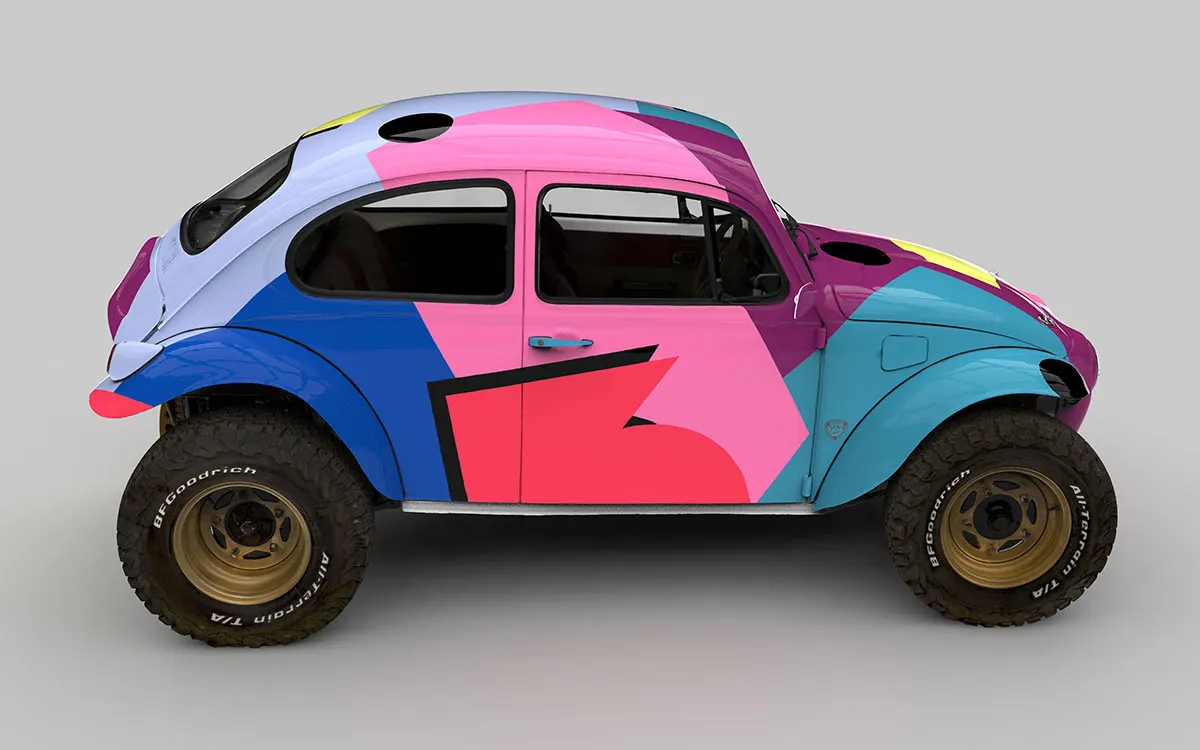
The Artec Leo 3D scanner has become a game-changer in various industries, including film, gaming, digital twins, and for rendering marketing materials. Its portability, real-time scanning, and high-resolution capabilities make it a versatile and reliable tool for capturing accurate 3D data of vehicles and other objects, contributing to more realistic and engaging visual content and facilitating efficient asset management and decision-making processes.